
This New Orleans Mardi Gras group tour is designed for schools, alumni groups, clubs, families, and corporate teams traveling together over several days.
Overview
A New Orleans Mardi Gras group tour needs more planning than a standard city sightseeing run because event streets change by parade, neighborhood, and time of day. The 2027 Mardi Gras date is February 9, with parades scheduled from Twelfth Night through Fat Tuesday and nightly activity listed from February 3 through February 9. A group traveling for the final weekend may encounter Uptown routes for Bacchus, Endymion activity near the New Orleans Ernest N. Morial Convention Center area, Mid-City movement, Zulu and Rex on Mardi Gras Day, and separate Metairie events. The itinerary should name the actual parade, viewing area, and bus recovery point rather than simply saying New Orleans downtown. This is especially important for school groups, alumni associations, church groups, and corporate teams that need one accountable transportation plan.
The most common trip length is four to six days, depending on the departure city and whether the group attends one parade weekend or several event days. A nearby regional departure can use day 1 for travel and hotel arrival, while a group from Dallas, Houston, Atlanta, Birmingham, Memphis, or the Carolinas may need a longer first and last day along I-10, I-12, I-20, or I-55. Day 1 should include planned fuel, meal, and restroom stops before hotel check-in, not an aggressive promise of immediate parade access. Days 2 through the event period can alternate French Quarter walking time, the National WWII Museum, Garden District touring, local meals, and reserved parade viewing. The motor coach may remain parked for hours while the group is on foot, so the quote should distinguish transportation service from vehicle availability.
Lodging staging determines whether the bus can perform cleanly during New Orleans Mardi Gras. Downtown hotels near Canal Street can reduce local transfer mileage but may have limited coach loading space, traffic controls, and restricted access during parades. Hotels in Metairie, Kenner, or along major approaches can offer easier bus staging and often work better when the itinerary includes Metairie parades or airport-area arrival and departure. A group staying in Slidell, Covington, or the Northshore should expect longer daily crossings and congestion on the I-10 or Lake Pontchartrain approaches. Reserve a legal loading location, confirm overnight bus parking, and identify a backup pickup point before the first event night. The best hotel is the one that supports the entire multi-day movement plan, not simply the one closest to Bourbon Street.
Fleet Options
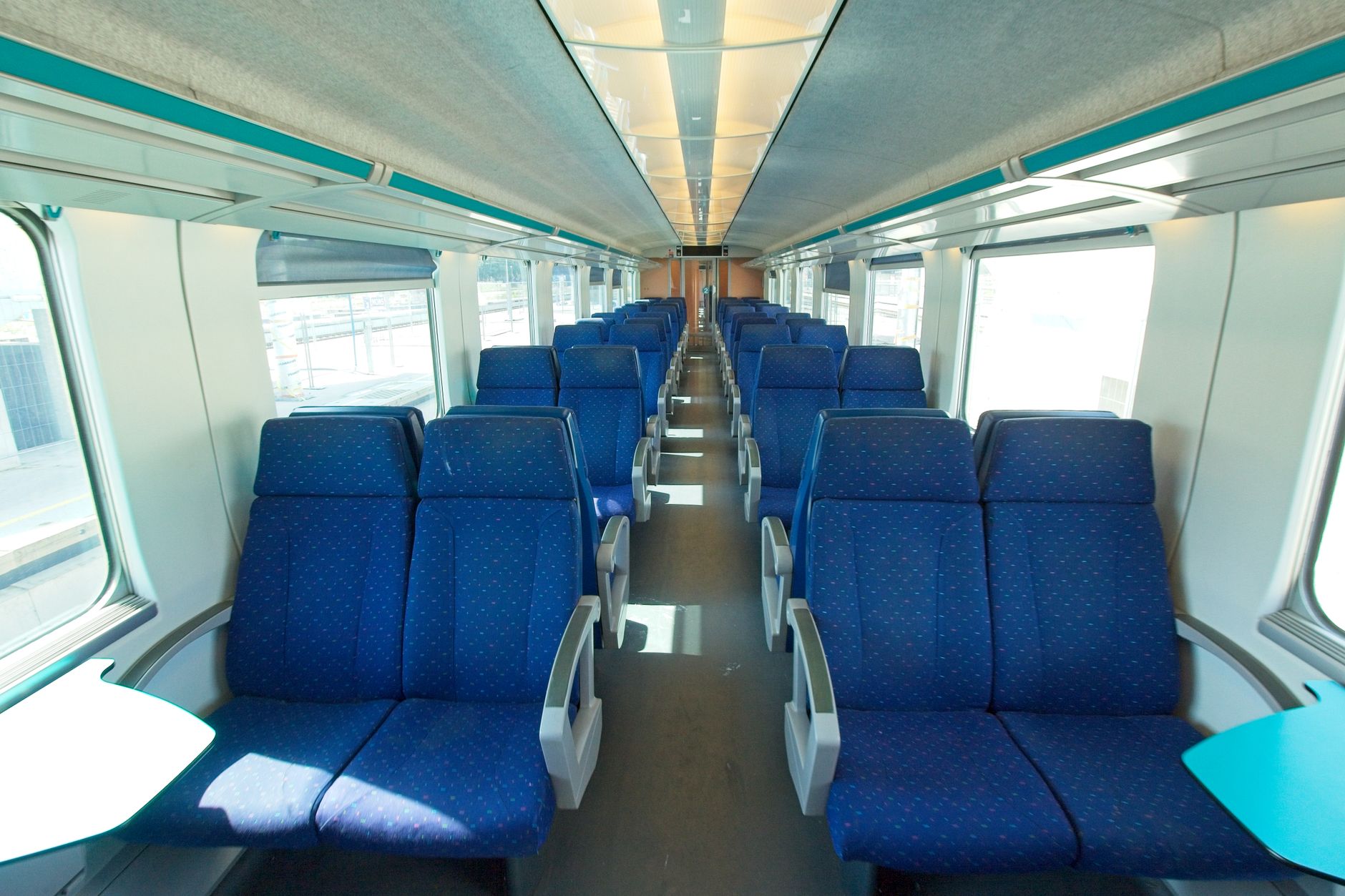
A 36-Passenger Mini Coach is the practical middle choice for a medium group traveling with luggage over several days. It provides a high floor, coach-style seats, and exterior luggage bays without the footprint of a full-size motor coach. The layout works well when 36 passengers need to stay together but a 56-passenger bus would be difficult to load, stage, or park. In New Orleans, vehicle length and turning clearance matter near parade barricades, hotel porte-cocheres, the French Quarter edge, and narrow neighborhood streets. Confirm the carrier's exact dimensions and luggage capacity before promising curbside access.
| Vehicle | Seats | Best For | Notes |
|---|---|---|---|
| 36-Passenger Mini Coach | Up to 36 passengers | Use when the group has roughly 28 to 36 travelers, needs luggage capacity, and wants one vehicle without the length of a full-size motor coach. | High-floor coach with coach-style seating and exterior luggage bays; a strong fit for a medium multi-day group but still subject to parade closures and bus-lot restrictions. |
| 24-Passenger Mini Bus | About 18 to 24 passengers | Use when the group is below 25 passengers or when local street access matters more than full coach storage. | More maneuverable for local transfers and tighter hotel approaches, but luggage capacity and legroom are usually more limited for a multi-day trip. |
| 56-Passenger Motor Coach | About forty-five to 56 passengers | Use when the headcount is above 36 or when consolidating several smaller groups offsets the larger vehicle's access limitations. | Best for large groups with substantial luggage, but it needs more turning room, wider loading areas, and earlier parking coordination around New Orleans events. |
| Executive Sprinter | About 10 to 14 passengers | Use for a small executive group, airport transfers, or a support vehicle rather than a 36-passenger event movement. | Comfortable for small VIP groups but generally has limited luggage capacity and less separation from street-level congestion than a high-floor coach. |
Routing, Timing, and On-the-Road Realities
For a long-haul group tour, dispatch normally builds the run around I-10, I-12, I-55, or I-59, then adds local time for New Orleans approaches, hotel loading, and parade barricades. Arrival traffic can stack on I-10 near Kenner, the airport, the Pontchartrain Causeway approaches, and the elevated sections entering the city, while event congestion spreads well beyond the parade route. Schedule hotel arrival and baggage unloading before the main crowd window whenever possible. A 36-Passenger Mini Coach should not be routed by consumer navigation alone because a legal coach approach may differ from the fastest car route. Provide the operator with hotel names, venue entrances, coach dimensions, and the planned unloading side. For evening parades, establish a fixed meeting point and a recovery time because a bus may not be able to circle or wait on the closest block.
Venue access requires advance coordination rather than an assumption that a permit automatically guarantees curb space. Parade authorities, police details, hotels, convention facilities, and city parking operations may impose temporary closures, designated bus corridors, or loading restrictions. A motor coach may need to use a permitted bus lot or remote staging location and release passengers at a legal edge of the restricted area. For venues such as the Caesars Superdome, Smoothie King Center, the convention center, or the National WWII Museum, confirm event-specific coach parking and loading instructions with the venue or local operator. French Quarter streets are particularly unsuitable for casual coach circulation during Mardi Gras, and barricades can make a previously valid route unusable. Build a walking plan, a backup pickup point, and enough dwell time for police-directed detours. Driver hours must include traffic, waiting, parking, and passenger loading: federal passenger-carrier rules generally allow 10 hours of driving after 8 consecutive hours off duty, cap on-duty time at 15 hours after that rest, and apply 60- or 70-hour weekly limits.
What This Typically Costs
Pricing for a New Orleans Mardi Gras group tour is usually built from a per-day vehicle minimum, mileage, and any deadhead miles required to position the motor coach before pickup and return it after drop-off. A 36-Passenger Mini Coach commonly runs a few thousand dollars per day in most markets, with the final range shaped by departure city, multi-day duration, February demand, and driver availability. A quote may include a daily mileage allowance or price additional miles separately, while long-distance runs can be priced by total trip miles rather than by day alone. Plan for driver overnight lodging, parking, tolls, permits, and possible fuel adjustments as separate line items unless the proposal says they are included. Driver gratuity is normally not part of the base transportation rate and should be budgeted separately. Peak New Orleans Mardi Gras dates, especially the final parade weekend through Mardi Gras Day, can require higher minimums, earlier deposits, and stricter cancellation terms.
Frequently Asked Questions
How many days should a New Orleans Mardi Gras group tour take?
A four-day plan is practical for groups traveling from nearby or regional cities, while groups coming from Texas, Florida, the Carolinas, the Midwest, or farther away often need five to seven days. The first day is normally devoted to travel, check-in, and a controlled evening stop rather than a full parade schedule. A multi-day motor coach itinerary should reserve the final day for the return drive with realistic meal and fuel breaks. A 36-Passenger Mini Coach is most efficient when the group stays in one New Orleans staging area instead of making repeated long transfers.
What are the best months for a New Orleans Mardi Gras group tour?
The strongest operating window runs from late January through Mardi Gras Day, with the busiest demand concentrated during the final parade weekend and the days immediately before Fat Tuesday. In 2027, Mardi Gras Day falls on February 9, and parades are scheduled throughout the weeks before it, with nightly activity listed from February 3 through February 9. Earlier January weekends can offer more lodging availability and less severe street congestion, but they do not provide the full peak-event pattern. Confirm the specific krewe schedule before contracting rooms and transportation because parade routes and times can change.
What is a realistic sample itinerary?
A realistic four-day group tour might leave on day 1, make a scheduled meal or rest stop along I-10, and arrive for hotel check-in before a low-mileage evening activity. Day 2 can combine a French Quarter walking block with a planned pickup near Canal Street or a prearranged hotel loading zone, followed by a parade viewing location. Day 3 can cover the National WWII Museum, Garden District, or a second parade while the motor coach remains staged outside restricted streets. Day 4 should allow a protected departure window after breakfast and account for I-10 traffic, fuel, and driver duty limits. The exact sequence depends on whether the group is attending Uptown, Mid-City, Metairie, or French Quarter events.
What does a 36-Passenger Mini Coach fit best?
A 36-Passenger Mini Coach fits 36 passengers with coach-style seating, a high floor, and luggage bays, but the usable baggage volume depends on trip length and how many passengers bring full-size luggage. It works well for a medium group where a 56-passenger motor coach is unnecessarily large and a 24-passenger vehicle is too small. Carry-on bags should stay inside the passenger area only if the carrier permits them and they can be secured without blocking aisles or exits. For a five-day trip, confirm suitcase capacity rather than relying only on the seat count. If the group carries parade equipment, coolers, display materials, or mobility devices, request a luggage-bay review before booking.
Can a motor coach enter the French Quarter during Mardi Gras?
Parade closures make curb access unreliable, and a charter bus cannot assume it can enter the French Quarter or stop beside a viewing location. The operator should map a legal bus approach, an unloading point, and a separate recovery point before the event day. Oversize vehicles may need to follow designated truck or coach corridors around barricades, and police or city personnel can change access as crowds build. Parking is commonly handled at a permitted bus lot, hotel motor-coach space, or remote staging area rather than on the parade route. The group should expect to walk from the bus or use a prearranged shuttle plan.
How do driver hours affect the itinerary?
Federal passenger-carrier rules generally allow up to 10 hours of driving after 8 consecutive hours off duty and prohibit driving after 15 hours on duty following that rest period. Weekly limits also apply: 60 hours in 7 consecutive days for carriers not operating every day, or 70 hours in 8 days for carriers operating daily. Traffic, loading, hotel check-in, parade waits, and group meals all count toward the driver's on-duty window even when the vehicle is not moving. A late parade release followed by an early interstate departure can therefore require a second driver, a later departure, or an extra overnight. The carrier should build the schedule from duty time, not just map mileage.
What information is needed to book this group tour?
Give the broker the travel dates, pickup address, passenger count, luggage expectations, preferred hotel area, parade or venue targets, and the originating city. Identify whether the group needs one-way service, round-trip service, local transfers, or a motor coach held at the destination. Ask for confirmation of vehicle size, luggage capacity, driver lodging, mileage terms, parking responsibility, cancellation rules, and any Mardi Gras access limitations. US Bus Trips can generally return a practical quote within 4 business hours when the dates and itinerary are complete. The confirmation should identify the carrier, vehicle class, pickup instructions, payment schedule, and operating contacts.
How to Book
To price this group tour, provide the travel dates, pickup address, passenger count, luggage needs, preferred hotel area, and the parades or venues you want to attend. Include whether the vehicle stays with the group, returns empty, or handles local transfers between scheduled events. A complete request can usually receive a practical quote within 4 business hours, subject to carrier availability and event-date demand. The confirmation should list the carrier, vehicle class, pickup instructions, schedule, mileage terms, driver lodging, parking responsibilities, payment terms, and cancellation conditions; reach US Bus Trips with the itinerary and a callback contact.
Related Trips You Might Also Consider
- Death Valley — 14-Passenger Sprinter
- Bakersfield, CA to Fresno, CA
- Louisville, KY to Indianapolis, IN
- Family Reunion — Southeast Region
- San Francisco, CA to Los Angeles, CA
- Grand Canyon — 14-Passenger Sprinter
- Cross-Country Charter Bus Overview
- All Group Trip Types
- See the Full Fleet (Sprinters through 56-pax coaches)
- Get a Free Quote in 60 Seconds