
US Bus Trips arranges New Orleans Mardi Gras group tour transportation for schools, reunions, clubs, churches, casinos, and corporate groups traveling across state lines.
Overview
A New Orleans Mardi Gras group tour works best when the group treats the parade calendar as a transportation constraint, not just an entertainment list. Major activity builds from Twelfth Night in early January through the final weekend, Lundi Gras, and Mardi Gras Day; the 2027 holiday falls on February 9. The final stretch can place Zulu, Rex, Bacchus, Endymion, Orpheus, and other krewes on different corridors and schedules, with Uptown, Mid-City, Metairie, Marigny, and the French Quarter operating under different traffic controls. A church group from Houston, an alumni organization from Atlanta, or a casino group from Biloxi may have very different loading needs even with the same 56 seats. The quote should name the actual parade, viewing location, hotel, and passenger meeting point. A generic 'New Orleans pickup' does not give a driver enough information to build a legal and usable run.
A common trip begins with an early departure from the origin, a scheduled fuel and meal stop, and an overnight arrival near New Orleans rather than an unrealistic nonstop push into a parade closure. From I-10, the coach may approach through Slidell, Kenner, Metairie, or the CBD depending on the hotel and the day's barricade plan. Local sightseeing can include the National WWII Museum, Frenchmen Street access by walking group, the Garden District, City Park, or a reserved meal outside the most restricted blocks. A full-size motor coach should not be promised direct curb service at every French Quarter restaurant or parade barricade. Many groups use a remote hotel or coach lot, then walk to viewing areas or use a smaller shuttle for the final connection. The itinerary must leave time for passenger loading, police-controlled crossings, and a headcount before every departure.
Lodging is part of the transportation plan because a 56-Passenger Motor Coach needs legal approach roads, turning room, and a place to wait or park. Airport-area hotels in Kenner, Metairie properties near I-10, and selected CBD hotels can work, but each property must confirm bus drop-off, overnight parking, clearance, and fee arrangements. French Quarter lodging places the group closer to restaurants and walking routes but can force the coach to stage outside the core. The group should reserve rooms early for the final parade weekend because demand affects both availability and minimum-stay rules. A multi-day booking also needs a driver room or compliant rest arrangement each night. US Bus Trips should receive the hotel name and loading instructions before final routing, not after the coach is assigned.
Fleet Options
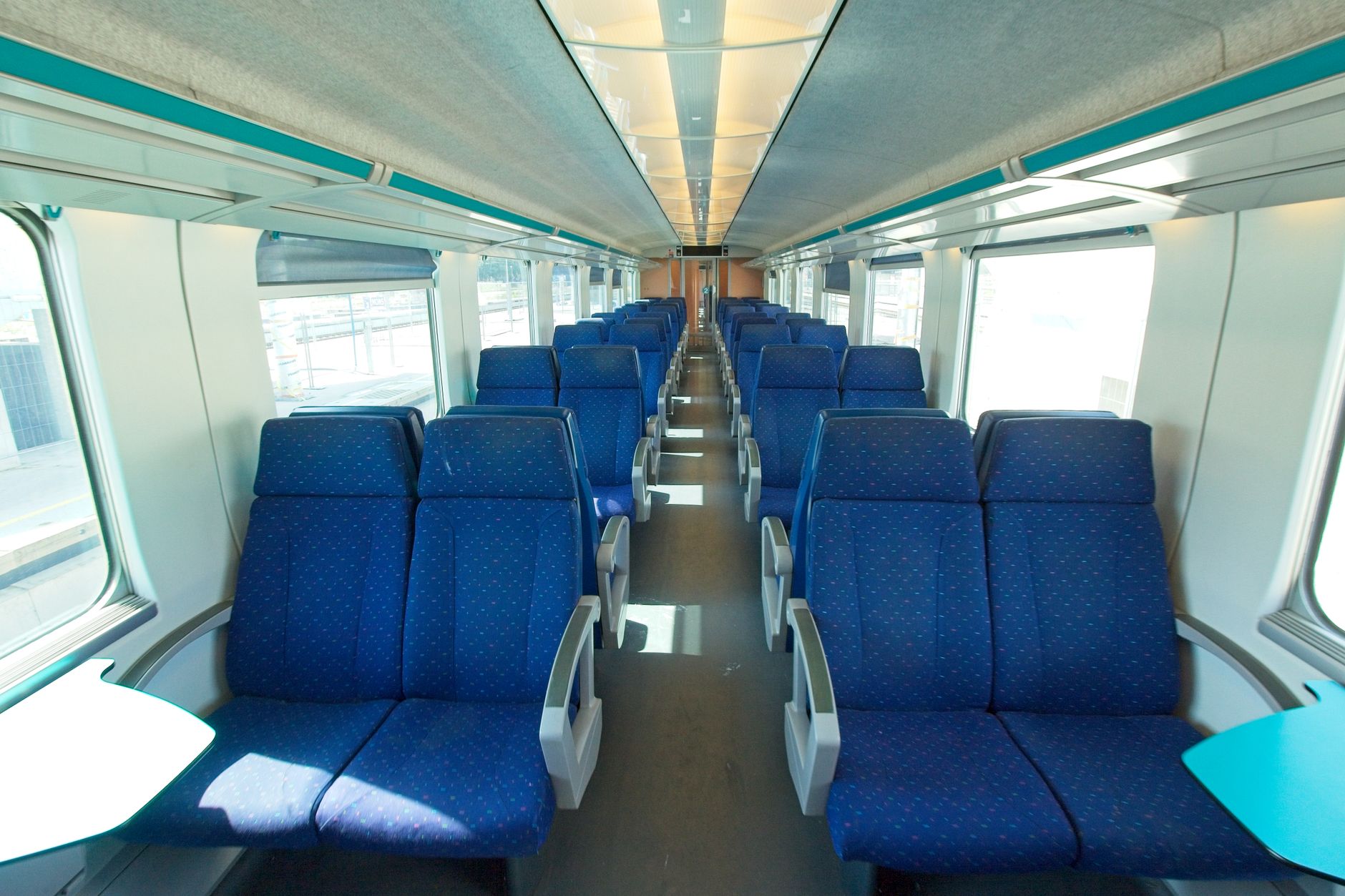
Vehicle selection starts with headcount, luggage, and the street plan, not just the seating chart. A 56-Passenger Motor Coach is the workhorse for a full group tour because reclining seats, overhead storage, a restroom, DVD or USB entertainment, and underfloor luggage bays support long highway legs and multi-day baggage. It fits best when all passengers ride together and hotels or venues can accept a full-size coach. Tight French Quarter blocks, parade barricades, low garages, and limited curb space may require remote staging or a smaller local shuttle. Leave capacity for luggage and mobility equipment instead of booking exactly to the last seat.
| Vehicle | Seats | Best For | Notes |
|---|---|---|---|
| 56-Passenger Motor Coach | 45-56 passengers | Use for a full-group multi-day tour with substantial luggage and highway travel from a distant origin. | Best long-haul comfort with reclining seats, overhead storage, restroom, DVD or USB, and large underfloor luggage bays, but requires advance review of clearances and bus parking. |
| 40-Passenger Motor Coach | 32-40 passengers | Use when the group is below full size or the route includes more constrained hotels and local streets. | Provides similar coach amenities with a smaller footprint and easier hotel access, while retaining underfloor luggage storage for several days. |
| 24-35 Passenger Mini Coach | 20-35 passengers | Use for a mid-size group or as a local shuttle between remote coach parking, hotels, and parade access points. | More maneuverable for restaurant transfers and neighborhood stops, but cargo capacity and onboard amenities vary and may not support full multi-day baggage. |
| Executive Sprinter Van | 8-14 passengers | Use for a small group, staff advance team, airport transfer, or overflow movement rather than the main group vehicle. | Useful for small VIP groups and tight curb access, but luggage space, restroom availability, and passenger separation make it unsuitable for a full 56-person tour. |
Routing, Timing, and On-the-Road Realities
The highway approach depends on the origin, but I-10 is the primary long-haul corridor from Texas, Baton Rouge, the Mississippi Gulf Coast, and points east, with I-12 useful for north-shore approaches and I-55 or I-59 feeding the region from the north. Arrival timing should avoid treating the posted highway drive time as the entire workday; fueling, meals, inspections, construction, weather, and passenger loading all count operationally. For a parade evening, schedule the coach to arrive at the staging area well before street closures rather than targeting the parade start. A late afternoon approach through Metairie or the CBD can become a long crawl when Uptown routes close and spectators fill sidewalks. A dispatcher should establish a hard passenger load point, a no-go time for the coach, and a backup meeting location outside the barricades. The driver needs the exact street-side instructions and a local contact who can answer when police move the barricade.
Federal passenger-carrier rules generally limit driving to 10 hours after 8 consecutive hours off duty and prohibit driving after 15 hours on duty following that rest period. Waiting in traffic, loading guests, checking the coach, fueling, and standing by at an event use the driver's on-duty window even if the vehicle is parked. A long-distance group tour may therefore need a second driver, an intermediate hotel, or a no-movement block while the driver takes required rest. The 56-Passenger Motor Coach can remain parked while passengers attend a parade, but the group cannot assume the same driver can make a late-night return and an early next-day departure without a fresh schedule review. Parade routes change by date, and final barricade maps may arrive close to the event, so the operations plan should include remote parking and walking contingencies. Confirm any required city, venue, lot, or event permit directly with the property or organizer because access rules and temporary traffic controls are location-specific.
What This Typically Costs
A New Orleans Mardi Gras group tour is priced from several moving parts rather than a single flat bus rate. Carriers commonly apply a daily minimum, then adjust for total mileage, deadhead miles from the motor coach base, trip length, and the premium demand around parade weekends and Mardi Gras Day. A multi-day booking also carries driver overnight lodging, meals or per diem, tolls, parking, fuel adjustments, and any required second-driver or relief-driver coverage. A 56-Passenger Motor Coach commonly runs a few thousand dollars per day in many markets, but the final range depends heavily on origin, dates, availability, and whether the coach remains with the group between outings. Budget separately for driver gratuity, venue parking, hotel bus fees, and event access costs. Ask the quote to show included mileage, overtime or extra-hour rules, deadhead, taxes, fuel surcharges, cancellation terms, and all parking assumptions.
Frequently Asked Questions
How many days should a New Orleans Mardi Gras group tour take?
For a full-size New Orleans Mardi Gras group tour, plan on three to five days in the destination, plus travel time from the origin. A practical schedule often uses one travel day each way and two or three days for parades, meals, museums, and neighborhood stops. Groups coming from Texas, Tennessee, Georgia, or the Midwest may need an additional overnight because highway time, meal stops, and legal driver limits make a same-day arrival unreliable. The right trip length depends on the origin city, parade dates, and whether the motor coach returns home immediately or deadheads later.
What are the best months for a New Orleans Mardi Gras group tour?
The busiest planning window is the final parade stretch through Mardi Gras Day, but earlier January and February weekends can offer more lodging availability and less concentrated traffic. Parade calendars vary by year, and 2027 Mardi Gras Day is February 9, with major events including Zulu and Rex scheduled that day. The final weekend and Mardi Gras Day usually create the highest pressure on rooms, coach parking, curb access, and driver availability. Book early if the group needs Uptown parade access, French Quarter lodging, or a fixed viewing package. Weather can be cool, wet, or warm, so guests need layers and footwear suitable for standing outdoors.
What fits well in a 56-Passenger Motor Coach?
A 56-Passenger Motor Coach is the workhorse of long-haul group travel for a group near 45 to 56 passengers. It normally provides reclining seats, overhead storage, a restroom, DVD or USB entertainment, and luggage bays underneath, which suits a multi-day trip with checked bags. The vehicle keeps the full group together for long highway legs and reduces the need for multiple drivers and separate parking plans. It is less convenient on narrow French Quarter streets, under low clearances, and at crowded parade barricades. Final passenger count should leave room for luggage, mobility equipment, coolers, and personal space.
How do driver hours affect the itinerary?
The carrier must plan the driver around passenger-carrier hours-of-service rules, not the group's preferred event schedule. Federal rules generally allow up to 10 hours of driving after 8 consecutive hours off duty and prohibit driving after 15 hours on duty following that rest period. Traffic, fueling, loading, inspections, meal stops, and waiting at parade closures all consume the workday even when the coach is not moving. A driver cannot simply finish a late parade transfer and start an early airport or hotel run without a compliant rest plan. Long origins may require a second driver, a split itinerary, or an overnight stop before arrival.
Where does a motor coach park during Mardi Gras?
Large coaches usually stage outside the most restricted French Quarter streets and use prearranged loading points rather than circulating for curb space. The French Quarter, CBD, Uptown parade routes, and streets around barricades can have temporary closures, one-way restrictions, police checkpoints, and no-stopping zones. The group should confirm each hotel's bus access, height clearance, loading window, and overnight parking arrangement before contracting rooms. Event lots and private garages may restrict vehicle height or require advance reservations, while public parking rules can change during parades. A dispatcher should receive the exact venue entrance and passenger meeting point, not only a neighborhood name.
Which New Orleans areas work best for group lodging?
The most reliable hotel staging is often along the airport corridor, Metairie, Kenner, or near the I-10 and I-610 approaches, where a 56-Passenger Motor Coach has better turning space and easier highway access. CBD hotels can work when the property has a signed bus plan and a legal curb or lot arrangement, but French Quarter properties may require a walk-in drop-off and remote coach parking. Metairie can reduce downtown deadhead while keeping groups close to parade routes on the West End or Uptown side, depending on the schedule. Kenner and airport-area hotels are useful for early arrivals, departures, and groups traveling through I-10. Choose staging based on the daily route rather than room rate alone.
Can a full-size coach reach every Mardi Gras stop?
A 56-Passenger Motor Coach is practical for highway travel, but it is not a substitute for a small vehicle on every local street. Full-size coaches need advance review of bridge clearances, hotel entrances, tight turns, temporary barricades, and legal loading areas. A mini coach or executive Sprinter can reach smaller restaurants and residential pickup points, but splitting a 56-person group increases dispatch complexity and cost. The itinerary should identify which stops are coach-accessible, which require walking, and where passengers reboard. A professional quote should include the planned vehicle dimensions and an alternate meeting point for closures.
How to Book
To request a quote, have the travel dates, pickup address, passenger count, luggage estimate, hotel information, parade or venue targets, and desired return schedule ready. Include whether the coach must remain available for local transfers or can park remotely between events, because that changes driver time and parking costs. US Bus Trips can typically return a workable quote within 4 business hours when the itinerary and headcount are complete. The confirmation should identify the vehicle class, schedule, mileage or daily minimum, deadhead, driver plan, parking assumptions, included amenities, payment terms, and cancellation rules; contact US Bus Trips with the trip details for dispatch review.
Related Trips You Might Also Consider
- Virginia Beach, VA to Richmond, VA
- Non-Profit Fundraiser — Southeast Region
- Death Valley — 24-Passenger Mini Bus
- NYC Theater — 14-Passenger Sprinter
- Family Reunion — Pacific Region
- Academic Decathlon — Southeast Region
- Cross-Country Charter Bus Overview
- All Group Trip Types
- See the Full Fleet (Sprinters through 56-pax coaches)
- Get a Free Quote in 60 Seconds