
US Bus Trips books Niagara Falls group tour transportation for schools, clubs, reunions, alumni groups, and corporate teams traveling across state lines.
Overview
A Niagara Falls group tour usually starts with a decision about whether the group will remain on the US side or cross into Ontario. Staying in Niagara Falls, New York keeps the motor coach routing simpler and avoids customs timing, while a Canadian plan may add Niagara Parks, Clifton Hill, Journey Behind the Falls, or Niagara-on-the-Lake. Common feeder corridors include I-90 from Buffalo, Rochester, Syracuse, and Albany; I-190 into the falls area; I-81 and the Thruway from the east; and I-90, I-80, or I-94 for longer Midwest approaches. The passenger profile matters: school groups need roster control and timed loading, reunions need flexible meal stops, and corporate groups often need reliable hotel-to-venue transfers. A 36-Passenger Mini Coach is generally sized for that middle ground, where the group is too large for vans but does not need a 56-passenger motor coach.
A realistic multi-day group tour often uses day one for highway travel, planned meal and fuel stops, hotel check-in, and a short orientation rather than attempting a full attraction schedule. Day two can center on Niagara Falls State Park, with Prospect Point, the Observation Tower area, Cave of the Winds, and Maid of the Mist arranged around timed admissions and seasonal operating hours. Day three can cover the Niagara Parkway, Niagara-on-the-Lake, wineries, Clifton Hill, the Aquarium of Niagara, or Great Lakes 360, depending on the group's age, passports, and walking tolerance. For a US-side program, Lot 3 at Goat Island is identified by the park as accepting buses, while Lot 1 near Prospect Point is for automobiles and not bus parking. Commercial tour groups should verify current park rules, group procedures, and any required permissions before dispatch, because a ticket reservation does not itself create a bus staging space.
A 36-Passenger Mini Coach works best when the group has normal overnight luggage and wants coach seating without the footprint of a full-size motor coach. The high floor, underfloor luggage bays, and forward-facing seats are useful on long approaches from New York, Pennsylvania, Ohio, Michigan, New England, or the Mid-Atlantic. The vehicle is not a substitute for checking the hotel's bus route, driveway geometry, loading zone, or local restrictions. On the US side, the park's published information identifies bus parking at Lot 3 and lists a commercial tour bus entry charge, while automobile-only lots should not be used for a coach. If the itinerary crosses into Canada, the dispatcher must also account for customs, passenger documents, carrier requirements, and possible restrictions on where a large commercial vehicle may stop or park. The operating plan should identify where passengers unload, where the coach waits, and how the group reunites after sightseeing.
Fleet Options
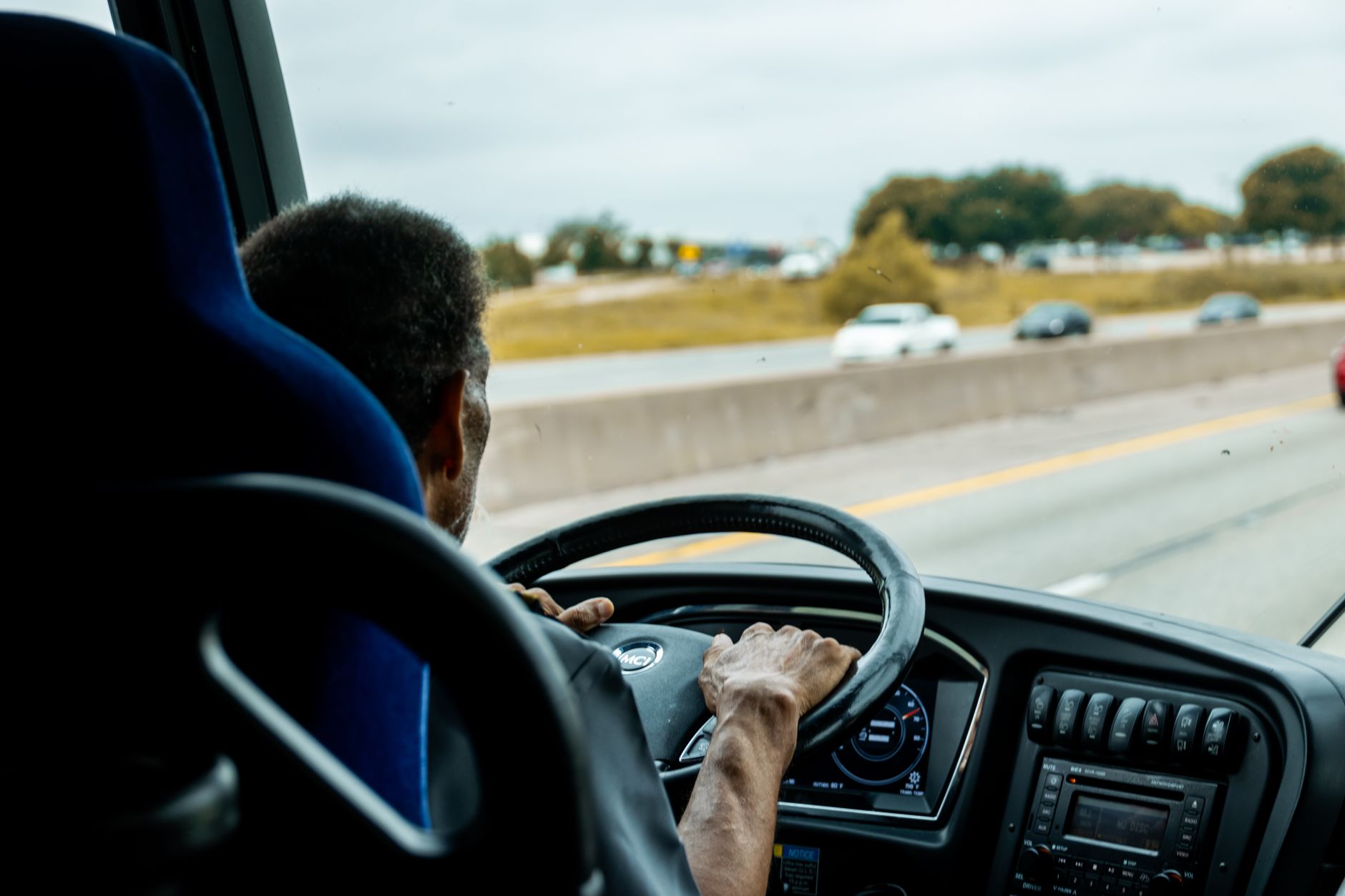
For a 36-person group tour, choose the vehicle around passenger count, luggage, road time, and the places where the coach must load. A 36-Passenger Mini Coach is a mid-size coach with a high floor, luggage bays, and coach-style seats, so it gives a medium group more comfort and storage than a shuttle or transit bus. It is well suited when a 56-passenger motor coach is too large and a 24-passenger vehicle is too small. Confirm bay capacity if passengers will carry full-size suitcases for several nights. Niagara Falls hotels and attraction lots can have tight approaches, but the mini coach still needs designated bus parking and cannot rely on ordinary automobile spaces.
| Vehicle | Seats | Best For | Notes |
|---|---|---|---|
| 36-Passenger Mini Coach | Up to 36 passengers | Use it for a full-size group tour with overnight luggage, long highway legs, and a need for more maneuverability than a 56-passenger coach. | High-floor coach with coach-style seats and underfloor luggage bays; the best balance for a 36-person multi-day group when designated bus parking is available. |
| 24-Passenger Mini Bus | Approximately 18-24 passengers | Use it when the final headcount is materially below 36 and the itinerary includes tighter urban pickups or fewer luggage pieces. | More compact and easier at smaller hotel approaches, but luggage capacity and aisle comfort can become limiting when all seats and multiple overnight bags are used. |
| 56-Passenger Motor Coach | Approximately forty-eight to 56 passengers | Use it when the group may exceed 36, luggage volume is high, or a larger vehicle is needed for a shared departure. | Provides maximum underfloor storage and aisle capacity, but it needs wider turning space, bus-capable parking, and a disciplined loading plan at Niagara Falls venues. |
| Executive Sprinter | Approximately 10-14 passengers | Use it for a small executive group, airport transfer, or support vehicle rather than a 36-passenger group tour. | Comfortable for small VIP groups but has limited luggage volume and less onboard space for a long multi-day run with full baggage. |
Routing, Timing, and On-the-Road Realities
From Buffalo and Rochester, the run can often reach Niagara Falls through the I-190 and local Niagara Falls approaches, but summer weekends and holiday periods create congestion near the park, Rainbow Bridge, Clifton Hill, and hotel corridors. From Albany, Syracuse, or points east, the New York State Thruway is the main spine, with the final approach timed around school buses, pedestrian traffic, and attraction opening windows. Pickups should be early enough to protect the first timed activity, but not so early that the driver reaches the destination before legal parking or hotel access is available. The run sheet should include a passenger restroom stop, fuel strategy, and a designated coach drop-off rather than assuming the driver can circle the block. At Niagara Falls State Park, Lot 3 at 50 Goat Island Road is the bus-capable park lot identified in current park information; Lot 1 at Prospect Point is automobile-only and should not be used for bus parking. No overnight parking is permitted in Lot 3, so the coach needs a separate hotel or off-site overnight plan.
Driver hours are usually the controlling factor on a long-haul multi-day itinerary. A group leaving New York City, Philadelphia, Washington, Chicago, or New England may need a midpoint overnight, a relief driver, or a simplified first day rather than a same-day arrival followed by evening sightseeing. The dispatcher must count driving, fueling, inspections, passenger loading, meals, border processing, attraction waiting, and other on-duty time, not just map mileage. A Canadian day adds customs uncertainty at the Rainbow Bridge or another crossing, so the schedule should not place a tightly timed reservation immediately after the border. Niagara Falls Parks and city rules also make casual curb parking unreliable: bus staging, drop-off, and reloading must follow posted signs and venue instructions. Build a walking route from the coach lot to Prospect Point, the Aquarium of Niagara, or other venues, and confirm current parking fees, seasonal hours, permits, and oversize requirements before the trip.
What This Typically Costs
A Niagara Falls group tour in a 36-Passenger Mini Coach is normally quoted by operating day, mileage, and total duty time rather than by seats alone. Expect daily minimums, with the total moving into the typical few-thousand-dollars-per-day range for a multi-day motor coach run, depending on origin, season, and itinerary complexity. Distance charges may include loaded miles, repositioning, and deadhead miles from the carrier's garage to the pickup and back. May through October, holiday weekends, school breaks, and major Buffalo or Niagara event dates commonly tighten availability and raise rates. Budget separately for driver overnight lodging, tolls, parking, fuel adjustments, and driver gratuity; some quotes bundle fuel while others apply a fuel surcharge. A written proposal should identify the daily minimum, included mileage, deadhead treatment, cancellation terms, and every pass-through line item instead of presenting one unexplained group tour total.
Frequently Asked Questions
How many days should a Niagara Falls group tour take?
For most US-origin groups, plan on three to five days. A two-day schedule can work from Buffalo, Cleveland, Detroit, or nearby upstate New York markets, but it leaves little room for weather or border delays. From New York City, Philadelphia, Washington, Chicago, or New England, a three- to five-day multi-day plan is more realistic. Add a day when the itinerary includes both the US and Canadian sides of Niagara Falls, because border processing is not controlled by the driver. The right length also depends on whether the group wants only the falls or a broader Western New York program.
What are the best months for a Niagara Falls group tour?
Late May through June and September through early October usually provide the best operating balance of usable weather, attraction availability, and lower pressure than peak summer. July and August offer the fullest attraction schedules but bring heavier pedestrian traffic, tighter hotel inventory, and more congestion around Niagara Falls State Park and the Niagara Parkway. Winter can produce lower lodging costs and dramatic ice conditions, but snow, wind, reduced attraction schedules, and shorter daylight require a flexible plan. Spring shoulder dates are workable when the group accepts weather variability. We confirm seasonal hours and attraction reservations before finalizing the motor coach schedule.
What does a realistic multi-day itinerary look like?
A practical four-day group tour can run as follows: day one is pickup, highway travel, meal and fuel stops, then hotel check-in and a short evening orientation. Day two covers Niagara Falls State Park, Prospect Point, Cave of the Winds, and a prebooked Maid of the Mist time when operating. Day three can use the Niagara Parkway, Journey Behind the Falls, Skylon Tower, Clifton Hill, or a winery and Niagara-on-the-Lake program, depending on passports and border plans. Day four allows a morning departure with a planned meal stop and driver relief or overnight if the origin is distant. The driver needs the actual attraction windows, not just a sightseeing list, because loading zones and parking assignments affect the clock.
Can a 36-Passenger Mini Coach park at Niagara Falls State Park?
The US side of Niagara Falls State Park identifies Lot 3 at Goat Island as the park location that accepts buses, while Prospect Point Lot 1 is for automobiles and does not accept buses. The park lists a commercial tour bus one-time entry fee for Lot 3 and prohibits overnight parking there, with seasonal availability and pricing subject to change. A 36-Passenger Mini Coach must use the designated bus-capable approach and should not be sent to an automobile-only lot for unloading. Parking space is not a guaranteed curbside staging permit, so the operator needs a confirmed drop-off, walking route, and reloading plan. Commercial walking or cycling tours inside the park may require a commercial activities permit, and tour groups should verify current park requirements directly before arrival.
Why choose a 36-Passenger Mini Coach for Niagara Falls?
A 36-Passenger Mini Coach is a mid-size coach with a high floor, luggage bays, and coach-style seats, making it a strong fit for 36 passengers plus normal soft luggage. It works especially well when a 56-passenger motor coach is too large for the group and a 24-passenger vehicle is too small. The coach can handle multi-day luggage better than a transit-style bus, but the available bay capacity varies by make, model, and passenger load. If every traveler brings a large suitcase, confirm luggage dimensions and bay count before booking. The driver should also receive the full hotel and attraction list because some downtown streets and hotel approaches favor a smaller coach or require a specific loading plan.
How do driver hours affect the itinerary?
Driver-hours planning starts with the origin, not the first attraction. Under US property-carrying commercial rules commonly applied to charter operations, a driver generally needs a qualifying off-duty period before a new duty period and must track driving and on-duty limits; Canadian operations can involve separate federal or provincial requirements. A long first-day drive followed by an evening attraction is often unsafe or infeasible without a relief driver or overnight stop. For distant origins, the quote may include a second driver, a split itinerary, or a hotel near the midpoint. Build meal, fuel, traffic, border, and passenger-loading time into the duty calculation rather than treating the highway estimate as the whole workday.
Can the group visit both the US and Canadian sides?
Cross-border travel requires advance confirmation that every passenger has acceptable travel documents and that the carrier's insurance and operating authority cover the planned movement. A motor coach cannot bypass customs simply because the group has a timed attraction reservation. Keep the border crossing as a scheduled risk window and avoid placing a nonrefundable activity immediately after the estimated arrival. If the group stays entirely on the US side, the routing is simpler and the driver avoids customs delay, but Canadian attractions are not included. Confirm current entry requirements with the relevant government agencies and the carrier before tickets are purchased.
How to Book
To quote the run, send the travel dates, pickup address, passenger count, luggage estimate, hotel city, attraction list, and whether the group will cross into Canada. Include required arrival times for Niagara Falls State Park, Maid of the Mist, Cave of the Winds, Journey Behind the Falls, or other timed venues. US Bus Trips can typically return a preliminary quote within 4 business hours when those details are complete, subject to carrier availability and final routing. The confirmation should identify the vehicle class, pickup and return instructions, driver contact process, included mileage, daily minimums, deadhead treatment, parking, lodging, cancellation terms, and pass-through charges; reach us through the trip request channel with the itinerary and a dispatcher can work the details.
Related Trips You Might Also Consider
- Mount Rushmore — 14-Passenger Sprinter
- Charleston — 56-Passenger Motor Coach
- Grand Teton — 36-Passenger Mini Coach
- Albuquerque, NM to Denver, CO
- NYC Theater — 24-Passenger Mini Bus
- Church Retreat — South Central Region
- Cross-Country Charter Bus Overview
- All Group Trip Types
- See the Full Fleet (Sprinters through 56-pax coaches)
- Get a Free Quote in 60 Seconds