
A Rocky Mountain National Park group tour in a 24-Passenger Mini Bus fits small escorted tours, executive retreats, alumni groups, and first-class-only groups that want one vehicle and a professional driver.
Overview
A Rocky Mountain National Park group tour works best when the organizer treats transportation as a multi-day operating plan rather than a single park transfer. Common customers include university alumni associations, church and nonprofit groups, corporate retreats, photography clubs, and family reunions traveling from Denver, Colorado Springs, Cheyenne, Salt Lake City, or farther east. A 24-Passenger Mini Bus keeps the group together for the I-25 corridor, US 36 through Boulder and Lyons, or US 34 through Loveland and Estes Park. Denver arrivals can be paired with Union Station, the Denver Museum of Nature and Science, Red Rocks, or a hotel near the airport before the mountain portion. The group should expect slower movement after entering the foothills, especially when loading at trailheads or waiting for a safe pullout. Build the itinerary around daylight, weather, and legal driver time instead of promising every overlook in one afternoon.
A typical Rocky Mountain National Park group tour starts with travel on day 1 and the first park or gateway stops on day 2. From Denver, the direct approach commonly follows US 36 through Boulder and Lyons to the Beaver Meadows entrance, while a northern approach uses I-25 and US 34 through Loveland and the Big Thompson Canyon. Estes Park lodging gives the group early access to the east side, but hotels must confirm bus parking, loading rules, breakfast timing, and room-night availability before the charter is finalized. Day trips can include Moraine Park, Many Parks Curve, Sprague Lake, Bear Lake, and the Alpine Visitor Center when Trail Ridge Road is open. Grand Lake or a west-side overnight can work for a through-route itinerary, but it adds mountain-road timing and a more complex driver plan. For fall-color weekends, reserve lodging and vehicle space early because both hotel inventory and parking capacity tighten quickly.
Park access has two separate questions: whether the commercial operator is authorized to conduct the trip and whether a particular vehicle needs a timed-entry reservation during controlled hours. The National Park Service identifies Commercial Use Authorization and qualifying commercial tour operators as exceptions to the standard timed-entry reservation requirement, but the carrier must verify its own status and carry the required documentation. Entrance fees or valid park passes still need to be handled for the company and passengers. For 2026, general timed entry is listed for 9 a.m. to 2 p.m. from May 22 through October 12, while the Bear Lake Road corridor has a 5 a.m. to 6 p.m. timed-entry-plus window from May 22 through October 18. A 24-Passenger Mini Bus is still a commercial vehicle with turning, clearance, and parking limits, so the driver should avoid assuming that a reservation creates a parking space. Confirm road status before departure, particularly for Trail Ridge Road and any high-elevation stop.
Fleet Options
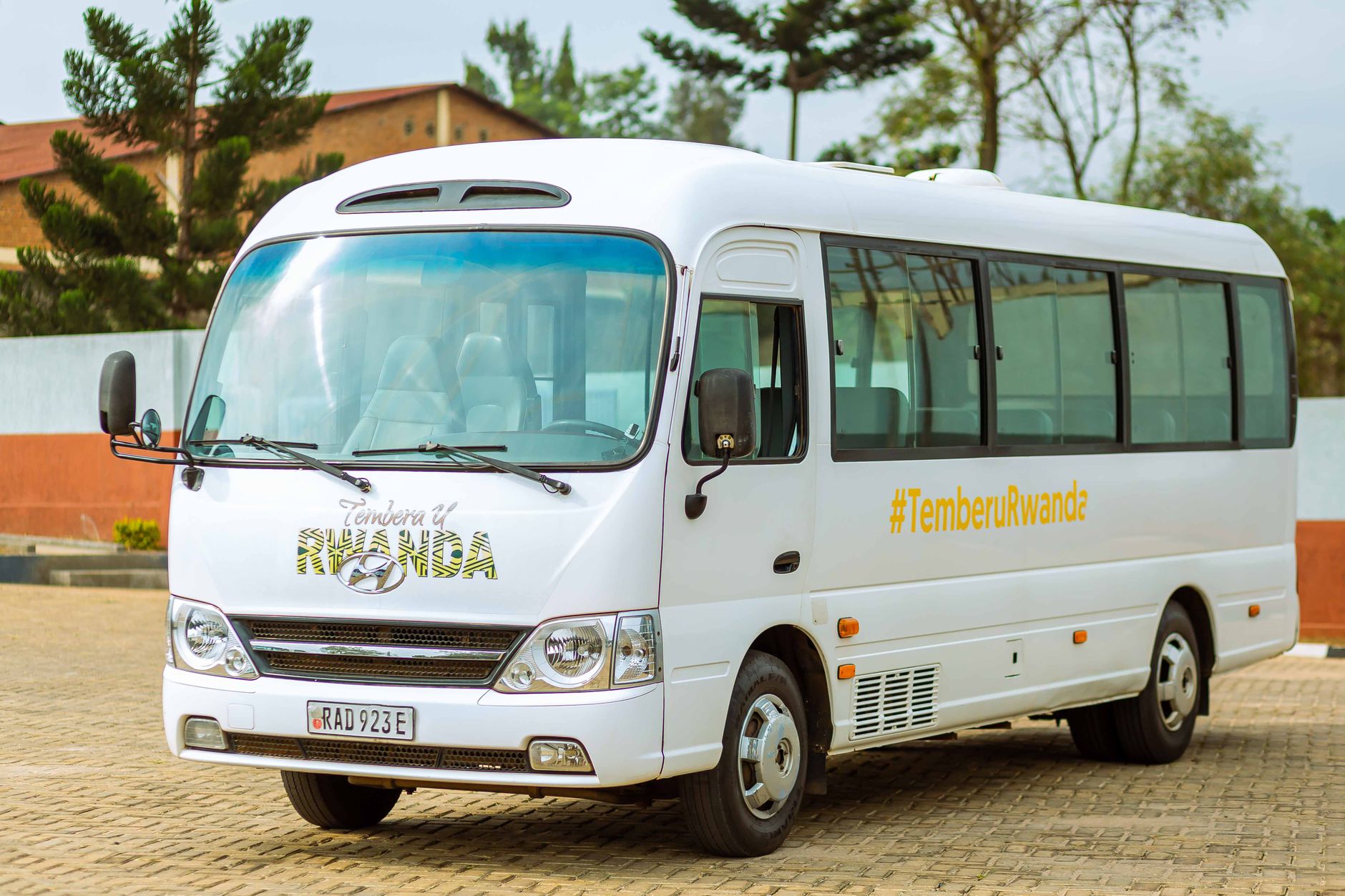
A 24-Passenger Mini Bus is normally the right starting point for a 24-person Rocky Mountain National Park group tour when the headcount is firm and the group wants one compact vehicle. Look for coach-style seats, a rear luggage bay or approved roof storage, climate control, and enough payload for multi-day bags without overloading the vehicle. This format is perfect for small tours, executive retreats, or first-class-only groups that want a quieter cabin than multiple vans provide. It is easier to stage at hotels and city venues than a full-size motor coach, but the operator still needs the vehicle length and turning radius before committing to narrow mountain roads or small parking lots.
| Vehicle | Seats | Best For | Notes |
|---|---|---|---|
| 24-Passenger Mini Bus | Up to 24 passengers | Best for a full 24-person group with controlled luggage and one dedicated driver. | Coach-style seating, rear luggage or roof storage, and a compact footprint suit a single small tour, but cargo capacity must be checked against multi-day luggage. |
| 28- to 35-Passenger Mini Coach | 28 to 35 passengers | Use when the manifest may grow or when each traveler has substantial luggage. | Adds working capacity for extra bags, gear, or a few late additions while remaining easier to stage than a full-size motor coach. |
| 40- to 56-Passenger Motor Coach | 40 to 56 passengers | Choose for a larger group, long interstate legs, or a multi-day tour with full-size suitcases. | Provides the strongest underfloor luggage capacity and restroom availability, but requires more deliberate hotel bus access and parking coordination. |
| Executive Sprinter Van | 8 to 14 passengers | Use for an executive retreat, airport advance team, or overflow group rather than the primary 24-person charter. | Comfortable for a small leadership group and useful as a second vehicle, but limited luggage space and individual vehicle coordination make it unsuitable for 24 passengers. |
Routing, Timing, and On-the-Road Realities
From the Denver metro area, the cleanest east-side routing usually uses US 36 through Boulder and Lyons, with a controlled restroom or meal stop before the final climb toward Estes Park. I-25 congestion can affect airport, Colorado Springs, Fort Collins, and Cheyenne pickups, so early departures are more reliable than trying to reach the park after the morning commute. The US 34 approach from Loveland is useful for northern groups but can slow in the Big Thompson Canyon, especially on summer weekends or during construction. A 24-Passenger Mini Bus should be staged with fuel, water, and a passenger manifest before entering the gateway corridor. Schedule hotel loading at a bus-capable entrance and leave room for luggage handling, because a 15-minute passenger call can become much longer with 24 travelers. If the group is using Bear Lake Road, plan the access window and passenger movement before the vehicle arrives; do not build the day around finding an open roadside space.
Trail Ridge Road, the US 34 route across the park, can provide the signature high-country crossing when open, but weather and road operations control the schedule. Old Fall River Road is not an acceptable shortcut for vehicles over 25 feet or vehicles pulling trailers, so the dispatcher must verify the mini bus length before including it. Parking at Bear Lake and popular trailheads is constrained, and a group may need an early drop-off, the park shuttle system, or a prearranged staging plan rather than a long vehicle wait. Keep the motor coach or mini bus moving only where the road and posted restrictions allow, and use designated pullouts for passenger stops. A multi-day itinerary should reserve a weather-flex day or a lower-elevation substitute such as Estes Park, Lily Lake, a scenic canyon drive, or a Denver museum. The driver needs an end-of-day release time that preserves required rest and prevents a late mountain return from breaking the next day's schedule.
What This Typically Costs
A Rocky Mountain National Park group tour in a 24-Passenger Mini Bus is usually quoted from a daily charter minimum plus mileage, with the exact balance depending on the pickup market, route, and number of service days. Local Colorado work commonly carries a daily minimum, while a multi-day run from another state adds long-distance mileage and deadhead for positioning the motor coach or mini bus before pickup and after drop-off. Seasonal peaks from late June through September, fall-color weekends, holiday periods, and major Denver convention dates can tighten availability and increase the operating rate. Budget separately for driver overnight lodging, meals or per diem where applicable, park entrance costs, tolls, fuel adjustments, and driver gratuity. A 24-Passenger Mini Bus commonly runs a few thousand dollars per day for an extended charter, but a national group tour can be materially higher when deadhead and several interstate travel days are included. The written quote should show vehicle time, service dates, estimated miles, driver lodging, parking, taxes, and any cancellation or overtime terms rather than presenting one unexplained flat figure.
Frequently Asked Questions
Does a 24-Passenger Mini Bus need a permit to enter Rocky Mountain National Park?
For most organized commercial tours, the carrier or tour operator must handle the applicable Rocky Mountain National Park commercial-use requirements, including a Commercial Use Authorization or other approved operating authority when required. The company and clients also need to pay entrance fees or present valid park passes. A commercial tour with the proper authorization generally does not need the standard timed-entry reservation, but the carrier should confirm its status with the park before the trip. Group leaders should carry the authorization, insurance documentation, vehicle paperwork, and passenger manifest information in case an entrance ranger requests them.
What does a 24-Passenger Mini Bus fit well?
A 24-Passenger Mini Bus is a good fit for a compact group tour when passengers value coach-style seats, one vehicle, and a professional driver instead of splitting into vans. It works especially well for executive retreats, alumni groups, church tours, and first-class-only groups with moderate luggage. Most units place luggage in a rear compartment, while some configurations use a roof-mounted carrier; the carrier and axle limits must be checked before loading. If every passenger brings a large suitcase for a multi-day trip, a larger motor coach or a support vehicle may be more practical.
How many days should a Rocky Mountain National Park group tour take?
A practical itinerary is usually three to five days, depending on the origin city. Day 1 can cover pickup, interstate travel, and an overnight near Denver, Boulder, Loveland, or Estes Park, with a controlled stop at the Denver Museum of Nature and Science, Union Station, or a group dinner rather than an overpacked sightseeing schedule. Day 2 can use the Beaver Meadows or Fall River entrance, then cover Estes Park, Moraine Park, Many Parks Curve, and the Alpine Visitor Center if Trail Ridge Road is open. Later days can reserve an early Bear Lake Road visit, Sprague Lake, Lily Lake, or a west-side transfer through Grand Lake, with weather backups built in. A return day should start with realistic mountain loading time and allow for Front Range traffic.
What are the best months for this Rocky Mountain National Park group tour?
Late June through September is the most reliable operating window for Trail Ridge Road, although opening and closing dates depend on snow, wind, and road work. September and early October often provide cooler temperatures and fall color, but weekends can still produce entrance and parking pressure. May and early June can work for lower-elevation trails and town activities, yet high-elevation roads and facilities may remain limited. Winter and spring trips require a different plan because Trail Ridge Road may be closed to through travel and weather can affect mountain roads. The dispatch plan should check current road status shortly before departure rather than promising a fixed summit schedule.
Can a 24-Passenger Mini Bus use all roads and parking areas in the park?
The park does not provide a guaranteed motor coach parking space for every tour, so the itinerary should treat parking as a managed operation. Bear Lake Road has limited parking and a shuttle system, making an early arrival, approved passenger drop-off, or a park shuttle connection more workable than waiting for a large vehicle space. Trail Ridge Road is open to through travel when conditions allow, but Old Fall River Road prohibits vehicles over 25 feet and vehicles towing trailers because of its narrow width and sharp switchbacks. The driver should confirm the actual vehicle length, turning clearance, and current restrictions before choosing any scenic loop. Outside the park, use hotel bus bays, designated tour loading areas, and reserved spaces at venues instead of assuming curb access.
How do driver hours affect a multi-day charter?
Federal hours-of-service rules generally require the driver to manage driving time, on-duty time, and a qualifying off-duty break rather than simply drive until the tour ends. A long first day from another state can consume the available driving window before the group reaches Estes Park, so the booking may require an overnight stop, a second qualified driver, or a shorter sightseeing program. Mountain roads also reduce average speed, and passenger loading, restroom stops, fuel, weather holds, and entrance queues count against the schedule even when the vehicle is not moving. A driver cannot legally extend the run because the group has a dinner reservation or timed entry window. The quote and itinerary should identify relief-driver plans, hotel parking, and the latest permissible return time.
How do timed entry and Bear Lake Road reservations work for a group tour?
Timed-entry rules can apply to each vehicle entering during controlled hours, and the National Park Service lists separate requirements for general park access and the Bear Lake Road corridor. For the 2026 season, the park information states that general timed entry is required from 9 a.m. to 2 p.m. beginning May 22 through October 12, while Bear Lake Road requires the timed-entry-plus option from 5 a.m. to 6 p.m. beginning May 22 through October 18. Commercial tours and holders of qualifying commercial authorizations are identified as exceptions to the standard timed-entry reservation requirement, but the operator should verify its paperwork and current rules. Entrance fees, road status, and any reservation confirmation should be assigned to a specific vehicle and service date before dispatch.
How to Book
To book, have the service dates, pickup address, passenger count, luggage estimate, origin city, hotel plan, and desired stops ready for the quote team. Include whether the group wants Bear Lake Road, Trail Ridge Road, Grand Lake, Denver attractions, or a fixed event such as a wedding, reunion, or retreat. US Bus Trips can typically return an initial quote within 4 business hours, subject to carrier availability and a workable driver-hours review. The confirmation should identify the vehicle class, itinerary, estimated mileage, pickup instructions, driver lodging responsibility, park and venue requirements, payment terms, and dispatch contact details.
Related Trips You Might Also Consider
- Agriculture FFA/4-H — Mountain West Region
- Mesa Verde — 36-Passenger Mini Coach
- Grand Canyon — 14-Passenger Sprinter
- Academic Decathlon — Pacific Region
- New Orleans Mardi Gras — 56-Passenger Motor Coach
- Nashville Music — 14-Passenger Sprinter
- Cross-Country Charter Bus Overview
- All Group Trip Types
- See the Full Fleet (Sprinters through 56-pax coaches)
- Get a Free Quote in 60 Seconds