
This Sequoia group tour fits small corporate retreats, family groups, alumni trips, and escorted sightseeing parties that want private transportation without a full-size motor coach.
Overview
A 24-Passenger Mini Bus is commonly booked for a Sequoia group tour by family reunions, university alumni groups, corporate retreats, photography clubs, and escorted regional tours. The most common approach is from Fresno, Visalia, Three Rivers, Bakersfield, Los Angeles, San Francisco, or Las Vegas, with the bus carrying the group rather than relying on separate cars. Visitors typically combine Giant Forest, the General Sherman Tree, Giant Forest Museum, Lodgepole, and selected picnic or overlook stops. A group starting in Visalia or Fresno can use the first day for travel and an orientation stop before moving uphill. Groups coming from the Bay Area or Southern California should usually budget an arrival day instead of treating the park as a quick side trip. The 24-Passenger Mini Bus is especially useful when the customer wants one manifest, one driver, and a consistent cabin for the full multi-day movement.
The park is open year-round, but mountain access and services change with weather and season. Summer brings the most visitors and the strongest demand for lodging, campground reservations, shuttles, and bus parking, while late September and early October can offer more manageable conditions. Spring may have wildflowers in the foothills while the sequoia groves still hold snow, and fall weather can shift from warm afternoons to storms. Winter roads can require tire chains and may close temporarily after snow, so the dispatcher needs a weather checkpoint and a backup plan. In-park lodging includes options around Wuksachi, Giant Forest, and Lodgepole, while Three Rivers provides a practical base near the Ash Mountain entrance. Cedar Grove is seasonal, so a Sequoia and Kings Canyon group tour must verify its opening dates before promising that segment.
Park operations require more than choosing a passenger count. Commercial tours may require authorization, and the vehicle must follow posted limits, designated parking rules, engine-idling restrictions, and instructions from park staff. The National Park Service identifies the Big Stump entrance via Highway 180 as the preferred route for longer vehicles, while portions of the Generals Highway are not advised for vehicles above 22 or 24 feet. A 24-Passenger Mini Bus may be shorter than a full-size motor coach, but the carrier still needs the exact bumper-to-bumper length, turning characteristics, and storage configuration. Parking at General Sherman Tree, Giant Forest Museum, Lodgepole, and the Foothills Visitor Center is location-specific, with designated larger-vehicle spaces and limited overflow. The safest booking process treats the Sequoia group tour as a route-and-parking project, not simply a vehicle reservation.
Fleet Options
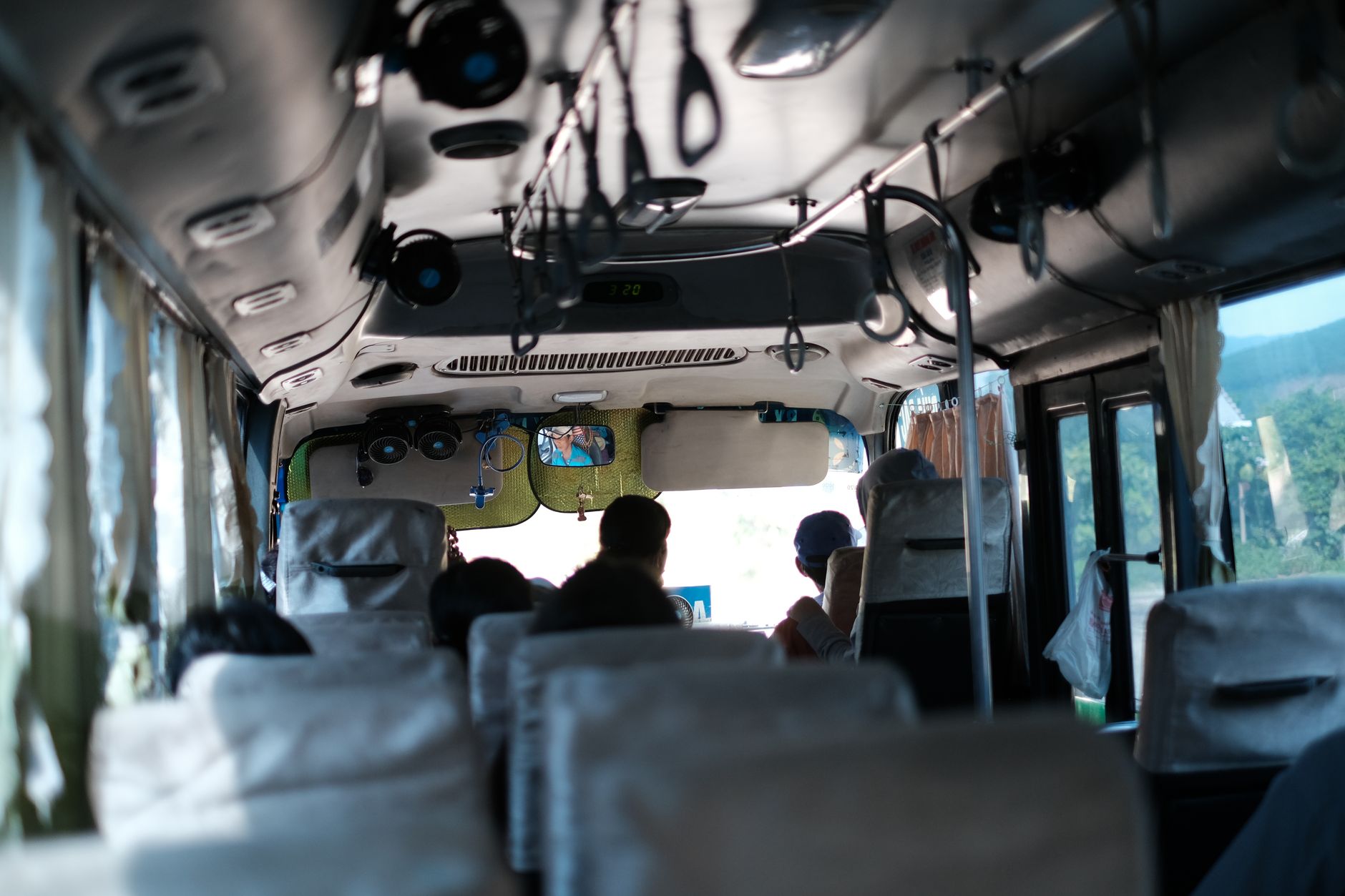
A 24-Passenger Mini Bus is usually the right starting point when the manifest is near 20 to 24 passengers and the group wants a private, compact cabin rather than a full-size motor coach. Coach-style seats suit a multi-day group tour better than a transit-style interior, but luggage volume must be matched to the actual rear or roof storage. Mountain roads and small visitor-center lots make a compact profile useful, although a vehicle over the park's posted length guidance can still face routing restrictions. If the group carries large suitcases, mobility equipment, or substantial outdoor gear, reducing the passenger load or moving up to a larger coach may be more practical.
| Vehicle | Seats | Best For | Notes |
|---|---|---|---|
| 24-Passenger Mini Bus | Up to 24 passengers | Choose it when the group is at or below 24 travelers and wants a private, comfortable vehicle for a multi-day Sequoia itinerary. | Compact mini bus with coach-style seats and rear or roof luggage storage; well suited to small tours, executive retreats, and first-class-only groups, subject to exact vehicle length. |
| 28- to 35-Passenger Mini Coach | 28-35 passengers | Use it when the headcount or luggage exceeds a 24-Passenger Mini Bus but the route has been cleared for the larger vehicle. | Adds baggage and seat capacity without the full footprint of a motor coach, but the dispatcher must verify mountain-road dimensions and parking access. |
| 40- to 56-Passenger Motor Coach | 40-56 passengers | Choose it for a larger group traveling on approved corridors with hotel and venue parking that can accept a full-size motor coach. | Best for large groups and substantial luggage, with underfloor storage and restroom availability on many models; tight park roads and destination parking require advance routing. |
| Executive Sprinter Van | 10-14 passengers | Use it for an executive retreat or split-group movement when the headcount is well below 24 and premium cabin access matters more than baggage volume. | Provides premium seating for a smaller party and easier access at hotels and urban stops, but luggage capacity and onboard space are limited for extended tours. |
Routing, Timing, and On-the-Road Realities
A common three-day Sequoia group tour starts with a morning pickup in Fresno, Visalia, Bakersfield, Los Angeles, or another staging city, followed by lunch and a first stop near Three Rivers or the Foothills Visitor Center if road and vehicle limits allow. Day 1 should not promise a late-afternoon climb from a distant origin, because loading delays, Central Valley traffic, fuel, and mountain approach time can consume the driving window. Days 2 and 3 can cover Giant Forest, the General Sherman Tree, Giant Forest Museum, Lodgepole, and a planned trail or picnic stop, with the bus parked only in designated areas. If the group also visits Kings Canyon, Grant Grove and nearby lodging may be better staged separately rather than treating the entire park as a single loop. The Big Stump and Highway 180 approach is the preferred planning option for longer vehicles, but the actual destination and seasonal closures still control. Confirm road conditions, shuttle operations, construction, and parking instructions shortly before departure.
Pickup timing should be early enough to clear Fresno, Visalia, or Southern California traffic before the mountain approach, while still respecting driver rest and legal duty limits. A driver who works a long intercity pickup, waits through a full park day, and then makes a late hotel transfer may need a second driver, a split duty plan, or an overnight stage near the park. The park limits or advises against longer vehicles on several mountain sections, and the Moro Rock and Crescent Meadow Road can be closed to single vehicles over 22 feet when the shuttle system is operating and signs are posted. Passenger buses also face restrictions on idling, and parking outside designated pads or obstructing roads is not an acceptable loading strategy. Build scheduled loading windows at hotels and trailhead areas instead of assuming the bus can circle while passengers hike. For a motor coach or any oversized vehicle, the dispatcher should provide the driver with a written route plan, parking points, alternate exits, and a no-go list before the group boards.
What This Typically Costs
A Sequoia group tour in a 24-Passenger Mini Bus is usually quoted by day, mileage, and the vehicle's repositioning requirements rather than by passenger alone. Most carriers apply a daily minimum, then price loaded miles, deadhead miles to and from the pickup, and any out-of-area staging. A multi-day run also includes driver lodging and approved meal or per diem arrangements, with seasonal peaks commonly occurring from late May through August and around fall weekends. Expect separate line items or allowances for park entry, tolls, fuel adjustments, parking, and driver gratuity. In most markets, a regional multi-day charter commonly runs a few thousand dollars per day before unusual deadhead, lodging, or premium vehicle costs. The final range depends heavily on whether the motor coach remains with the group, returns home between segments, or stages near Visalia, Three Rivers, Fresno, or Bakersfield.
Frequently Asked Questions
How many days should a 24-passenger Sequoia group tour take?
A practical minimum is three days for groups traveling from Southern California, the Bay Area, Las Vegas, or the Central Valley. Day 1 covers the long approach and a first stop such as the Foothills Visitor Center or Three Rivers, while the next one or two days cover Giant Forest, General Sherman Tree, Lodgepole, and selected overlooks. A four-day plan is more comfortable for groups coming from farther away or combining Sequoia with Kings Canyon. Winter weather can add time because chains may be required and roads may close after storms.
What are the best months for a Sequoia group tour?
The most dependable operating window is generally late May through October, with summer offering the broadest access to services and visitor programs. July and August bring the heaviest visitation, so pickup times, lodging, and parking need advance planning. September and early October often provide a better balance of access and crowd levels, but weather can change quickly. Spring can be attractive in the foothills while higher groves remain snowy, and winter visits require flexible routing, tire-chain readiness, and confirmation that seasonal facilities are open.
What does a 24-Passenger Mini Bus fit well?
A 24-Passenger Mini Bus is a strong fit for 18 to 24 travelers plus a modest amount of luggage, especially when the group values coach-style seats and a private vehicle. It works well for small tours, executive retreats, and first-class-only groups that want direct movement between lodging and trailheads. Depending on the model, luggage may ride in a rear compartment or roof-mounted storage, so the quote should identify the actual bus and baggage capacity. A full load of large suitcases, coolers, and hiking equipment can exceed practical capacity even when the passenger count fits.
Does a bus tour need a permit in Sequoia National Park?
Commercial tours and other organized activities may require a permit, so the operator should confirm the current commercial-use requirements with Sequoia and Kings Canyon National Parks before arrival. A reservation is generally not required simply to enter the park, but that does not replace commercial authorization or compliance with posted restrictions. The driver must carry the itinerary, vehicle dimensions, insurance and operating documents required by the carrier, and any permit confirmation. For a venue stop outside the park, such as a winery, museum, or event facility, the group should ask whether a separate bus reservation or loading authorization applies.
Can a 24-passenger bus use every Sequoia road?
The vehicle length matters more than the advertised passenger count. The National Park Service advises against vehicles longer than 24 feet on the Foothills Visitor Center to Potwisha section and vehicles longer than 22 feet from Potwisha toward Giant Forest, while longer vehicles can cross the centerline on difficult curves. The Big Stump entrance via Highway 180 is the preferred approach for longer vehicles, but the dispatcher must verify the exact vehicle dimensions and destination before selecting that route. Some roads and areas have stricter limits, including the Moro Rock and Crescent Meadow Road during shuttle operations, so a motor coach should never be sent there without a route check.
How do driver-hours rules affect this trip?
The driver should be scheduled around federal hours-of-service rules, not around the group's preferred sightseeing pace. A long pickup day, mountain approach, unloading, and evening hotel transfer can consume the available driving window even when the mileage looks manageable. For a multi-day itinerary, the carrier may use a second qualified driver, split the movement into legal duty periods, or stage the driver overnight near Visalia, Three Rivers, Fresno, or Bakersfield. The group should expect fixed departure times, required breaks, and limits on late-night repositioning. A passenger request to add a distant dinner or extra overlook can require a schedule change rather than simply extending the run.
Where should a 24-passenger group stay?
Lodging inside the park is convenient but limited and should be reserved early, particularly for summer weekends. Wuksachi and the Giant Forest or Lodgepole area can reduce daily mountain transfers when rooms are available, while Three Rivers is a practical base near the Ash Mountain entrance. Visalia offers more conventional hotel inventory and dining, and Fresno or Bakersfield can work as arrival or departure staging points when the group is traveling from farther away. A Kings Canyon extension may stage near Grant Grove or Fresno rather than moving the bus back through Sequoia each night. Room blocks should include the driver, and the hotel must confirm bus access, overnight parking, and a safe loading area.
How to Book
To quote the run, have the dates, pickup address, passenger count, luggage estimate, hotel plan, and every intended park stop ready. Include whether the group wants Sequoia only or a multi-day Sequoia and Kings Canyon loop, plus any dinner, winery, museum, or airport movements. US Bus Trips can typically return an initial quote within 4 business hours, subject to carrier availability and vehicle-dimension review. The confirmation should identify the carrier, vehicle class, pickup times, routing assumptions, driver lodging responsibility, cancellation terms, and known park or parking requirements; call or submit the trip details through US Bus Trips to begin.
Related Trips You Might Also Consider
- Henderson, NV to Los Angeles, CA
- Badlands — 14-Passenger Sprinter
- Dance Competition — Pacific Northwest Region
- Cleveland, OH to Detroit, MI
- Veterans Group — Mid-Atlantic Region
- Military Reunion — Midwest Region
- Cross-Country Charter Bus Overview
- All Group Trip Types
- See the Full Fleet (Sprinters through 56-pax coaches)
- Get a Free Quote in 60 Seconds