
A Sequoia group tour works best when the 56-Passenger Motor Coach handles the long-haul corridors and the group uses approved park access or shuttle arrangements for restricted roads.
Overview
A Sequoia group tour is usually booked by a school, church, alumni association, family reunion, corporate retreat, or escorted-tour operator that wants one vehicle for a long approach and several operating days. The common California corridors are Los Angeles or Orange County through Interstate 5 and State Route 99, the Bay Area through Interstate 580 and State Route 99, and the Las Vegas or Phoenix region through Interstate 15 and Interstate 40 before connecting toward Bakersfield or Visalia. A 56-Passenger Motor Coach keeps the manifest together, carries luggage underneath, and avoids the coordination problem of multiple cars on a mountain road. Day 1 should be treated as travel and staging rather than an ambitious park sightseeing day. Bakersfield, Visalia, and Three Rivers are the practical gateway choices, with Fresno more useful when Kings Canyon is part of the plan. The group should expect mountain travel to take longer than the highway mileage suggests because of grades, passenger stops, and limited pullouts.
The park portion needs a route designed around the vehicle, not just a list of attractions. Foothills Visitor Center and lower-elevation stops can fit a staged arrival, but the 12-mile Generals Highway section from Potwisha Campground to Giant Forest has a 22-foot vehicle advisory and includes narrow, winding grades. A 56-Passenger Motor Coach should generally stage outside restricted segments and use a permitted local operator or park shuttle where available for Giant Forest-area sightseeing. General Sherman Tree, Giant Forest Museum, Lodgepole, and Wolverton require early parking decisions because lots can fill by mid-morning on weekends and holidays. Moro Rock and Crescent Meadow are especially unsuitable for a full-size coach when closure signs or shuttle operations apply. Crystal Cave and Mineral King add seasonal access and separate length restrictions, so they should be optional only after current road conditions are confirmed.
Lodging is part of the transportation plan because a bus cannot recover lost time easily once it reaches the foothills. Three Rivers reduces the southern-entrance transfer for a Sequoia itinerary, while Visalia gives large groups more hotel inventory, food options, and access to shuttle connections. Fresno or Clovis can stage a northern approach for Kings Canyon, but moving between the two parks may be seasonal and subject to road advisories. In-park properties such as Wuksachi and Lodgepole can be convenient, yet room inventory, coach parking, and winter access need advance confirmation. Schedule the 56-Passenger Motor Coach to arrive before the group's first timed activity and avoid promising a late-night mountain return after a full sightseeing day. For a multi-day group tour, reserve the driver's room near the bus parking area and identify a backup lot or loading point before arrival.
Fleet Options
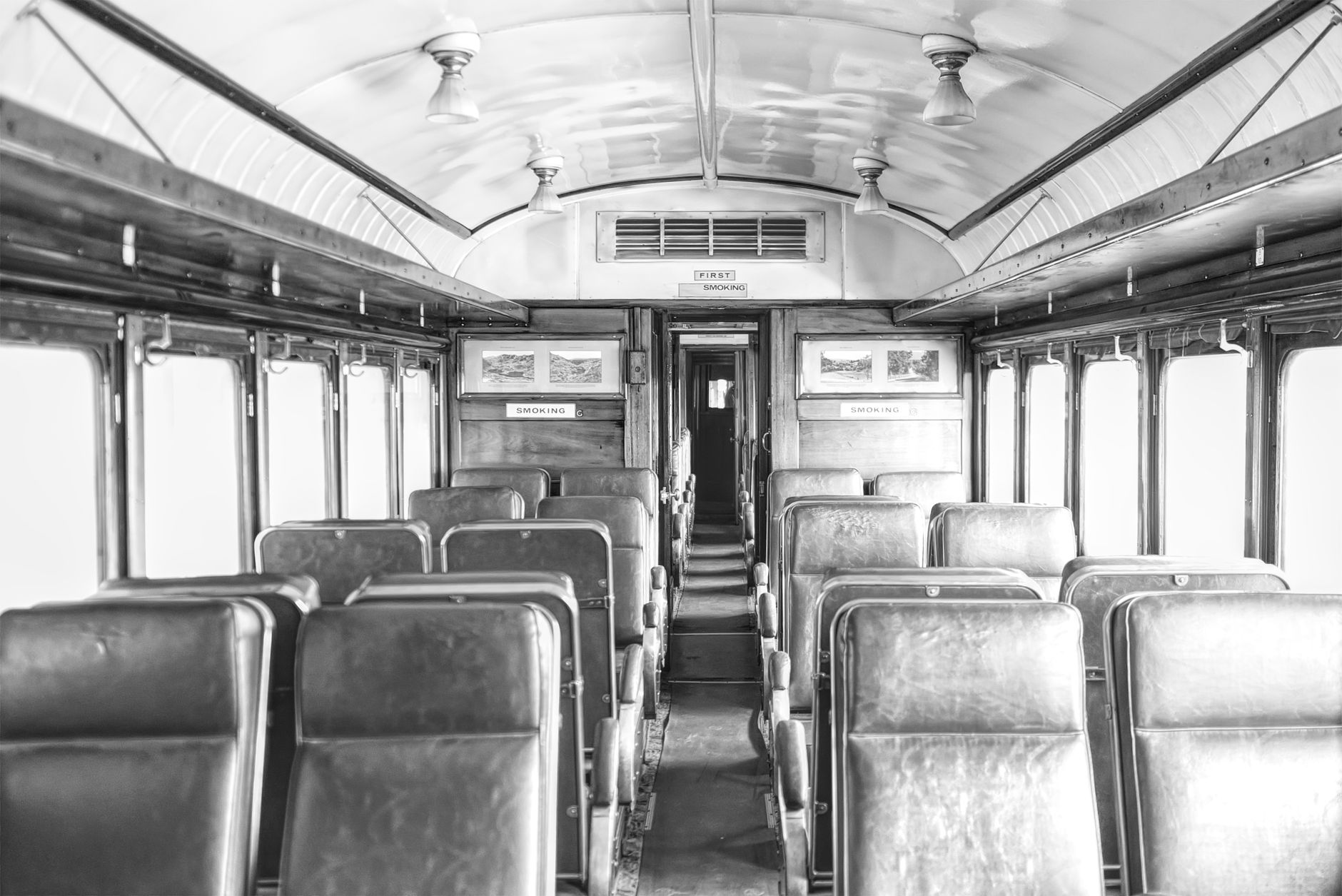
A 56-Passenger Motor Coach is the workhorse of long-haul group travel for a full group that wants to stay together. Reclining seats, overhead storage, a restroom, DVD or USB capability, and luggage bays underneath make it well suited to a multi-day tour with checked bags and long approaches. It is the right choice when the headcount is near capacity and the itinerary stays on highways or approved staging routes. It is not a substitute for a smaller park shuttle on narrow, steep, or length-restricted roads inside Sequoia. Confirm passenger count, luggage volume, wheelchair needs, and hotel parking before selecting the vehicle.
| Vehicle | Seats | Best For | Notes |
|---|---|---|---|
| 56-Passenger Motor Coach | Up to 56 passengers | Use it for a full multi-day group tour traveling together from a distant origin with substantial luggage and highway mileage. | Best for a full group with luggage, reclining seats, overhead storage, restroom, DVD or USB capability, and underfloor bays, but it needs approved staging for restricted Sequoia roads. |
| 40- to 50-Passenger Motor Coach | 40-50 passengers | Choose it when the roster is below full capacity but the group still needs a restroom, underfloor luggage, and highway range. | Provides full-size comfort and luggage capacity with somewhat easier hotel and venue handling, though Generals Highway restrictions still require a route review. |
| 24- to 35-Passenger Mini Coach | 24-35 passengers | Use it for a medium group or as a connecting vehicle between a gateway hotel and a park shuttle or approved sightseeing operator. | More manageable at staging points and urban hotels, with less cargo volume and no assumption that it can enter every restricted park segment. |
| Executive Sprinter Van | 10-14 passengers | Choose it for a small party, scouting team, or overflow movement rather than a 56-person tour. | Works for small leadership groups and tight local transfers but has limited luggage, restroom, and standing-room capability for a long multi-day run. |
Routing, Timing, and On-the-Road Realities
From Southern California, a normal motor coach plan uses Interstate 5 or Interstate 15 connections toward Bakersfield, then State Route 99 toward Visalia or the Three Rivers approach. From the Bay Area, schedule around congestion on Interstate 580 and the Central Valley corridor rather than assuming a direct midday run. Los Angeles, Inland Empire, and Bay Area pickups should generally be early because urban traffic can consume the schedule before the coach reaches the foothills. Visalia is a useful staging point for passenger meals, fuel, and shuttle connections, while Three Rivers is closer to the Sequoia entrance but has less large-group inventory. For a northern itinerary, Fresno and Highway 180 toward Big Stump and Kings Canyon may be more workable for an oversized vehicle than the southern Generals Highway route. Confirm construction, snow, chain controls, and current vehicle advisories immediately before dispatch and again on the morning of the park movement.
Inside Sequoia, do not send a 56-Passenger Motor Coach onto a road merely because a map shows a public attraction. Vehicles longer than 24 feet are not advised between Foothills Visitor Center and Potwisha Campground, and vehicles longer than 22 feet are not advised between Potwisha and Giant Forest; single vehicles over 40 feet are prohibited on the latter stretch under park guidance. General Sherman Tree uses designated oversized parking, while Giant Forest Museum directs larger vehicles to designated RV spaces across the highway rather than the small shuttle area. The Giant Forest shuttle operates seasonally, but there is no equivalent shuttle network throughout Kings Canyon, so the itinerary must distinguish the two parks. Build loading time, restroom stops, inspection time, and mountain-grade speed into the schedule, then assign driver relief or an overnight whenever the legal duty day cannot cover the full movement. Parking off a designated pad or blocking a road is not an acceptable recovery plan.
What This Typically Costs
A Sequoia 56-Passenger Motor Coach is normally quoted from a daily minimum plus mileage, with the exact structure depending on pickup market, trip length, and whether the coach returns home between movements. A multi-day group tour commonly runs a few thousand dollars per operating day in most markets, while long-distance work adds mileage and deadhead miles from the vehicle's origin to pickup and back after drop-off. Peak spring, summer, holiday, and fall-color demand can raise rates, especially when California coaches are committed to Yosemite, Disneyland, graduation, or convention work. Budget separately for driver lodging and meals when the run requires an overnight, plus parking, tolls, park admission, and any required permit or commercial-use costs. Typical line items also include fuel adjustments, driver gratuity, extra-hours charges, and a second driver when the schedule cannot stay within legal service limits. Ask for an all-in operating plan because the lowest base rate can exclude deadhead, hotel, parking, or extended-wait charges.
Frequently Asked Questions
How many days should a Sequoia group tour take?
For a 56-Passenger Motor Coach, plan on at least three days for a useful Sequoia group tour from most California pickup points and longer for out-of-state departures. Day 1 is generally travel and staging, with stops such as Bakersfield, Visalia, or Three Rivers depending on the origin. Two full park days allow time for the Foothills Visitor Center, Giant Forest Museum, General Sherman Tree, Lodgepole, and selected trails without forcing the driver into an unsafe same-day turnaround. A four- or five-day multi-day itinerary is more practical when the group also wants Kings Canyon, Fresno, the Central Coast, or a return stop in Los Angeles.
What are the best months for a 56-Passenger Motor Coach to visit Sequoia?
The most reliable months for a Sequoia motor coach trip are generally May through October, subject to snow, roadwork, and seasonal closures. Late May through June offers improving access and fewer extreme-heat conditions than midsummer, while September and early October often provide better operating margins after peak vacation traffic. July and August support the broadest visitor access but bring crowded parking, full lodging, and heavier demand for coaches. Winter can work for a smaller, flexible group, but snow and ice may trigger chain requirements, reduced speeds, and road closures; the Generals Highway restrictions still control vehicle planning. Crystal Cave and Mineral King are seasonal and should never be promised without checking current conditions.
Can a 56-Passenger Motor Coach drive to General Sherman Tree?
A full-size 56-Passenger Motor Coach should not be routed through the entire Sequoia road network. National Park Service guidance advises against vehicles longer than 24 feet between Foothills Visitor Center and Potwisha Campground and vehicles longer than 22 feet between Potwisha and Giant Forest; single vehicles over 40 feet are prohibited on that latter stretch. The practical plan is to stage the coach at an approved location, use park or commercial shuttle options where available, or approach via Highway 180 and the Big Stump entrance when the route is open and suitable. Moro Rock, Crescent Meadow, Crystal Cave, and Mineral King have additional restrictions that commonly exclude a full-size coach. The dispatcher must verify the current road bulletin before assigning a 56-Passenger Motor Coach to any in-park segment.
Does a group tour bus need a permit in Sequoia National Park?
Commercial tours and other organized activities may require a National Park Service permit or Commercial Use Authorization, depending on the service being provided and the operating arrangement. The bus also has to follow posted length limits, designated parking areas, and any seasonal shuttle or road-closure rules. A permit does not override a physical vehicle restriction, so authorization and routing must be reviewed separately. The operator should carry the required documentation and confirm whether the park, concessioner, or local shuttle provider controls the specific stop. Build the permit question into the quote before deposits are collected, particularly for guided sightseeing sold as a commercial service.
Where does a 56-Passenger Motor Coach park at Sequoia?
A 56-Passenger Motor Coach should use designated bus or oversized-vehicle spaces rather than the small visitor pullouts. The National Park Service identifies RV or oversized parking areas at the Foothills Visitor Center, Giant Forest Museum, General Sherman Tree, and Lodgepole, but availability is limited. Giant Forest Museum and General Sherman Tree parking can fill by mid-morning during busy weekends and holidays. A coach may need to unload at an approved location, keep the driver with the vehicle, and move to a larger lot or staging area rather than wait in a travel lane. Confirm the exact parking plan with the park or local shuttle operator before arrival because parking conditions change with construction, snow, and seasonal traffic controls.
Where should a large group stay for a Sequoia multi-day trip?
The best lodging pattern is usually one night in Bakersfield, Visalia, Three Rivers, or Fresno on the approach, followed by one or more nights near the park gateway. Three Rivers is convenient for Sequoia's southern entrance and early Foothills access, while Visalia offers more inventory, coach-friendly hotels, restaurants, and a connection point for Sequoia Shuttle service. Fresno or Clovis can be more practical when the itinerary includes Kings Canyon through Highway 180, although the group then needs a carefully timed park transfer. In-park lodging at Wuksachi, Lodgepole, or Giant Forest can reduce daily transfers but has limited inventory, access constraints, and room-type availability for large groups. Reserve a coach parking area and driver room at the same time as the passenger rooms; a hotel that accepts the group may not have space for a 56-Passenger Motor Coach.
How do driver hours affect a Sequoia group tour itinerary?
The driver must plan the run under applicable federal hours-of-service rules, not simply the sightseeing agenda. A typical long-haul plan uses an available driving window, a required off-duty break, and a qualifying overnight rest period, while the exact limits depend on the driver's prior duty status and the operation's records. A day that combines a long pickup from Southern California, mountain approach, two park loops, and a return to the hotel can exceed the safe and legal workday even if the map distance looks manageable. Add time for passenger loading, fuel, inspections, mountain grades, traffic, restroom stops, and parking searches. For long approaches or consecutive park days, a second qualified driver or a staged local coach may be necessary; never rely on passengers to shorten the schedule after the bus is already in service.
How to Book
To book, have the dates, pickup address, passenger count, luggage estimate, accessibility needs, and complete itinerary ready, including whether Kings Canyon, Fresno, Bakersfield, Visalia, or Three Rivers is included. US Bus Trips can typically return a quote within 4 business hours when the operating window and overnight plan are clear. Confirmation should identify the vehicle class, passenger capacity, pickup and drop-off times, driver plan, mileage or deadhead assumptions, lodging responsibility, parking and permit notes, and cancellation terms. Call or submit the trip request to US Bus Trips and flag any park-road segment, hotel coach parking issue, or fixed sightseeing reservation at the start.
Related Trips You Might Also Consider
- High School Band Tour — Pacific Northwest Region
- Choir Competition — Northeast Region
- San Antonio, TX to Houston, TX
- Robotics Competition — Mid-Atlantic Region
- Church Retreat — Midwest Region
- Denali — 14-Passenger Sprinter
- Cross-Country Charter Bus Overview
- All Group Trip Types
- See the Full Fleet (Sprinters through 56-pax coaches)
- Get a Free Quote in 60 Seconds