
US Bus Trips books Yellowstone group tour transportation for families, clubs, corporate retreats, and escorted travel programs that need one vehicle and one operating plan.
Overview
A Yellowstone group tour usually starts with a gateway decision, not a park attraction. West Yellowstone is the efficient base for Madison, Old Faithful, Grand Prismatic Spring, and the west-side geyser basins, while Gardiner supports the North Entrance, Mammoth Hot Springs, and northern loop. Jackson and Teton Village make sense for groups combining Grand Teton National Park with Yellowstone, but the South Entrance approach can consume a full touring window. Cody supports an east-side plan through Buffalo Bill State Park and the East Entrance when seasonal roads are open. A 24-Passenger Mini Bus is commonly booked by alumni groups, family reunions, nature clubs, corporate retreats, and escorted international tours that want a single vehicle without the footprint of a full motor coach. The operating plan should treat the park as a large rural road network, not a compact attraction.
The realistic season for a standard 24-Passenger Mini Bus is generally late May through September, with July and August bringing the strongest demand for rooms, vehicles, and trailhead parking. Interior roads open in stages and can close early when snow, construction, fire, or high-elevation weather affects routes, so a September itinerary still needs current road verification. A sample multi-day group tour might spend day 1 traveling from Salt Lake City to Idaho Falls or West Yellowstone, with a first stop at the Idaho Potato Museum or a controlled meal stop depending on the pickup time. Day 2 can cover Madison, Old Faithful, the Upper Geyser Basin, and Grand Prismatic if parking and walking times cooperate. Day 3 can run through Norris, Canyon Village, Hayden Valley, and Yellowstone Lake, while day 4 returns through the selected gateway or continues toward Grand Teton. This pacing is more reliable than promising every major site in one long day.
A 24-Passenger Mini Bus suits travelers who want coordinated departures, frequent scenic stops, and easier hotel access than a large motor coach, but it does not eliminate park constraints. The driver needs room for passenger loading, restroom breaks, inspections, meal timing, and safe pullouts; many overlooks cannot absorb a bus stopped in the travel lane. Commercial tour paperwork, park fees, and current road restrictions belong in the operating file before arrival. Lodging should be selected with bus access, driver rooms, breakfast timing, and a place to stage luggage, not only with room price in mind. Inside Yellowstone, groups should expect wildlife slowdowns, congested parking at Old Faithful and Canyon Village, and limited cell coverage. For a multi-day itinerary, an honest schedule with fewer stops usually produces a better group tour than an overpacked list of viewpoints.
Fleet Options
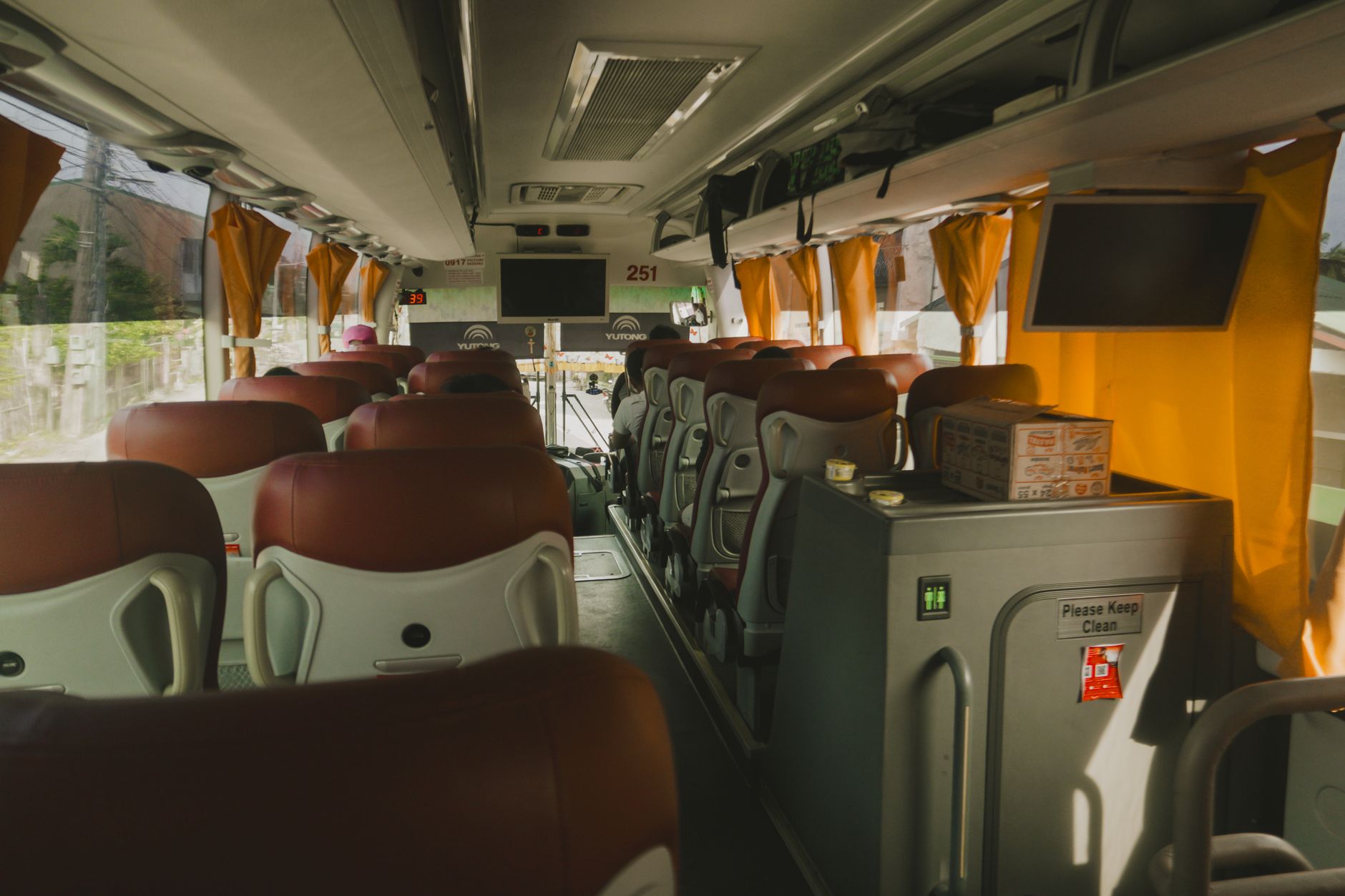
A 24-Passenger Mini Bus is a strong fit when the manifest stays at or below 24 passengers and the group values one coordinated vehicle over several rental cars. Compact dimensions, coach-style seats, and a professional driver suit small tours, executive retreats, and first-class-only groups. Confirm whether luggage travels in a rear compartment, underfloor bay, or roof carrier because Yellowstone multi-day packing can consume capacity quickly. A full motor coach provides more baggage and restroom capacity, but the mini bus is easier to position at gateway hotels, narrow access roads, and smaller parking areas.
| Vehicle | Seats | Best For | Notes |
|---|---|---|---|
| 24-Passenger Mini Bus | Up to 24 passengers | Best for a small Yellowstone group tour with controlled luggage, executive retreats, or a first-class-only passenger list. | Compact mini bus with coach-style seating; luggage capacity varies by model and may require a roof carrier when all seats are occupied. |
| 28- to 35-Passenger Mini Coach | 28-35 passengers | Fits groups near the upper twenties or itineraries where extra baggage space matters more than the smallest footprint. | Adds luggage and seating margin while remaining more manageable than a full motor coach, but operators must verify park road clearances and parking. |
| 40- to 56-Passenger Motor Coach | 40-56 passengers | Use for larger groups, substantial luggage, or a multi-day tour with more passengers than a mini bus can safely carry. | Offers substantial underfloor luggage storage and highway comfort, but longer wheelbase, turning radius, and parking demand require tighter Yellowstone routing. |
| Executive Sprinter Van | 8-14 passengers | Works for a small executive retreat or as a support vehicle, but not for a full 24-passenger Yellowstone group tour. | Easy to place at hotels and small venues, with limited luggage volume and less room to spread out on long regional corridors. |
Routing, Timing, and On-the-Road Realities
For west-side access, a common corridor runs from Salt Lake City through Pocatello and Idaho Falls to West Yellowstone on U.S. 20, while Denver-origin groups often use I-25, I-80, and regional approaches through Rock Springs or Jackson depending on the itinerary. Bozeman to Gardiner uses U.S. 89 and gives northern access, while Cody approaches through U.S. 14, 16, or 20 and is sensitive to seasonal mountain conditions. Schedule gateway arrivals with daylight, meal, fuel, and restroom margins rather than aiming to enter the park at the exact opening time. At Old Faithful, Grand Prismatic, Canyon Village, and popular trailheads, the driver may need to use designated lots and walk the group from a legal unloading point. A 24-Passenger Mini Bus is easier to place than a full motor coach, but it still needs turning clearance and cannot treat every shoulder as a loading zone. Check current park road status before each operating day because opening dates and closures can change with weather or other conditions.
Commercial drivers must build the Yellowstone day around federal passenger-carrier hours, not just the guest itinerary. A typical plan gives the driver 10 consecutive hours off before the next shift, keeps driving within the applicable 11-hour limit, and finishes the duty period within the 14-hour window; waiting, loading, and passenger assistance can also consume on-duty time. A long approach from Denver, Minneapolis, or Salt Lake City may require a hotel stop or a second qualified driver before the group even reaches the park. Oversize routing also matters: certain interior drives prohibit buses or impose weight limits, and permitted oversize or overweight travel can be restricted to overnight windows during parts of the season. Parking lots at major attractions fill early, so dispatch should define an arrival sequence, legal drop point, driver contact procedure, and recovery location. Treat every Yellowstone multi-day run as a timed motor coach operation with contingency space for wildlife jams, weather, and road work.
What This Typically Costs
A Yellowstone charter quote normally combines a daily vehicle minimum, mileage, and any deadhead from the bus yard to the pickup and back. In most markets, a multi-day 24-Passenger Mini Bus assignment commonly runs a few thousand dollars per day before taxes and discretionary charges, with higher totals during July, August, holiday weekends, and major regional events. Distance matters because long approaches from Salt Lake City, Denver, Boise, or Minneapolis can add substantial revenue miles even when the group is staying inside Yellowstone. Build in driver overnight lodging, meals or per diem, parking, tolls, fuel adjustments, and a customary driver gratuity as separate line items when applicable. The quote should also identify whether the carrier applies a two-day or multi-day minimum, a mileage band, or a blended per-day and per-mile rate. Deadhead miles, split-duty requests, winter equipment, and an additional relief driver can materially change the final price.
Frequently Asked Questions
What does a 24-Passenger Mini Bus fit for a Yellowstone group tour?
A 24-Passenger Mini Bus works best for a group of up to 24 travelers with controlled luggage and a planned Yellowstone itinerary. It offers coach-style seats, easier loading than several SUVs, and a smaller footprint than a full motor coach. Rear luggage space or a roof-mounted carrier may be needed for multi-day bags, especially when every seat is occupied. Confirm the actual seat count after allowing for the driver and any onboard guide.
How many days should a multi-day Yellowstone trip take?
Plan at least four days for a useful Yellowstone group tour from a nearby gateway, and five to seven days when the group is traveling from a distant state. A practical four-day pattern includes one travel day, two in-park touring days, and one return or gateway day. From Denver, Salt Lake City, Boise, or Minneapolis, the approach can require an additional overnight because a commercial driver cannot simply drive until the group arrives. A multi-day schedule also leaves room for weather, wildlife delays, restroom stops, and slow roads near entrances.
What are the best months to visit Yellowstone by mini bus?
The most reliable touring window is generally late May through September, after the main interior roads open and before seasonal closures begin. July and August offer the broadest access but bring the heaviest entrance queues, crowded trailhead lots, and the highest lodging demand. Late May, June, and September can offer better operating conditions for a group tour, although snow, construction, and wildlife-related delays remain possible. Many interior roads close to regular vehicles from early November through late April, while winter access uses different oversnow operations and is not a standard 24-Passenger Mini Bus itinerary.
Does a 24-Passenger Mini Bus need a permit in Yellowstone?
A commercial group entering Yellowstone for sightseeing generally needs the carrier or tour operator to handle the applicable commercial tour fee or Commercial Use Authorization requirements. A commercial travel permit is not a substitute for the authorization used by commercial tours, and permits must be carried and shown when requested. The park also requires a permit for operating a commercial vehicle on most park roads other than U.S. Highway 191. Confirm the current paperwork with the park and carrier before departure because the correct authorization depends on whether the bus is entering for a destination-based tour or merely traveling through.
Can a motor coach use every road and overlook in Yellowstone?
The driver should not assume every Yellowstone road can accommodate a motor coach or mini bus. Firehole Canyon Drive is closed to wheeled buses, Firehole Lake Drive has a weight restriction, and high-elevation routes such as Dunraven Pass and Beartooth Highway can have seasonal openings or weather closures. Oversize or overweight vehicles may face special routing and, during certain periods, restricted travel windows. The dispatcher should review current park notices, vehicle dimensions, axle weight, turning clearances, and bridge restrictions before finalizing the itinerary.
How do driver hours affect a Yellowstone group tour?
A driver of a passenger-carrying commercial vehicle generally has an 11-hour driving limit after 10 consecutive hours off duty and a 14-hour on-duty window. Weekly limits also apply, commonly 60 hours in seven days or 70 hours in eight days depending on the carrier's operating schedule. Yellowstone touring consumes duty time even when the bus is parked because loading, passenger assistance, inspections, and waiting can count as on-duty work. A multi-day plan should therefore use realistic gateway-to-gateway segments, protected hotel nights, and a relief driver when the total assignment would exceed one driver's limits.
Where should a 24-Passenger Mini Bus group stay?
Most groups stage lodging near the selected entrance rather than changing hotels inside Yellowstone every night. West Yellowstone works well for west-side access to Madison, Old Faithful, and the geyser basins, while Gardiner and Mammoth support the North Entrance and northern loop. Jackson or Teton Village can support a combined Grand Teton and Yellowstone trip, but the South Entrance approach adds distance and seasonal exposure. Cody suits an east-side itinerary, and Bozeman can work for northern access or airport logistics; confirm bus parking, room blocks, driver rooms, and late-arrival procedures before contracting.
How to Book
To request a Yellowstone group tour quote, have the travel dates, pickup address, passenger count, luggage estimate, preferred entrance, lodging plan, and day-by-day stops ready. Include whether the group needs Old Faithful, Grand Prismatic, Canyon Village, Lamar Valley, Grand Teton, or gateway hotel transfers so dispatch can test the routing. US Bus Trips can typically return a quote within 4 business hours, subject to carrier availability and a complete itinerary. Confirmation should identify the vehicle class, passenger capacity, pickup instructions, operating dates, rate structure, inclusions, cancellation terms, driver lodging plan, and the contact path for day-of coordination.
Related Trips You Might Also Consider
- Arches — 24-Passenger Mini Bus
- Nashville Music — 14-Passenger Sprinter
- San Diego, CA to Las Vegas, NV
- San Antonio, TX to Dallas, TX
- Agriculture FFA/4-H — Midwest Region
- Miami, FL to Key West, FL
- Cross-Country Charter Bus Overview
- All Group Trip Types
- See the Full Fleet (Sprinters through 56-pax coaches)
- Get a Free Quote in 60 Seconds