
US Bus Trips books Yosemite group tours for schools, alumni groups, churches, clubs, and corporate teams moving across California and neighboring states.
Overview
A Yosemite group tour works best when planned as a transportation program rather than a series of individual sightseeing stops. Common customers include school and university groups, church retreats, senior organizations, family reunions, photography clubs, and corporate teams departing from Los Angeles, San Francisco, Sacramento, San Jose, Fresno, Las Vegas, or Portland. The 56-Passenger Motor Coach is designed for the long highway approach, where passengers need reclining seats, overhead storage, a restroom, USB or DVD capability, and luggage bays under the coach. A three- to five-night multi-day plan is typical, with the first day reserved mainly for travel and the middle days allocated to Yosemite. Route selection depends on the gateway, weather, hotel location, and whether the itinerary uses Highway 140 through Mariposa and El Portal or Highway 41 through Fresno, Oakhurst, and Wawona.
The group should expect the final approach to move more slowly than a normal highway transfer. Highway 140 is a practical west-side approach for Mariposa and El Portal, while Highway 41 serves Fresno, Oakhurst, Wawona, and the south entrance; Highway 120 and Tioga Road are seasonal and should never be promised without a current road check. In Yosemite Valley, the coach cannot function like a city shuttle because many destinations lack bus parking and the main lots can fill by late morning on weekends and holidays. A better operating pattern is to unload at an approved location, park in the designated bus area, and use walking routes or the free Valley shuttle for local circulation. If Mariposa Grove is included, the dispatcher must confirm current commercial bus loading and parking instructions rather than assuming the regular visitor lot can accept the coach.
Permits and dimensions are part of the booking file, not an afterthought. Commercial passenger vehicles over 21 feet generally use designated bus parking, while vehicles over 45 feet or 102 inches wide are prohibited on park roads; a 56-Passenger Motor Coach must therefore be checked by actual length and width before dispatch. Commercial-use authorization does not guarantee a parking space, and the driver must not block shuttle stops, double park, idle beyond park limits, or park in residential areas. The group also needs a lodging plan that gives the driver a legal overnight rest period and provides coach access, turning room, and a designated loading area. For a successful multi-day Yosemite operation, the quote should show the route, park constraints, hotel staging, driver schedule, and cost assumptions in plain language.
Fleet Options
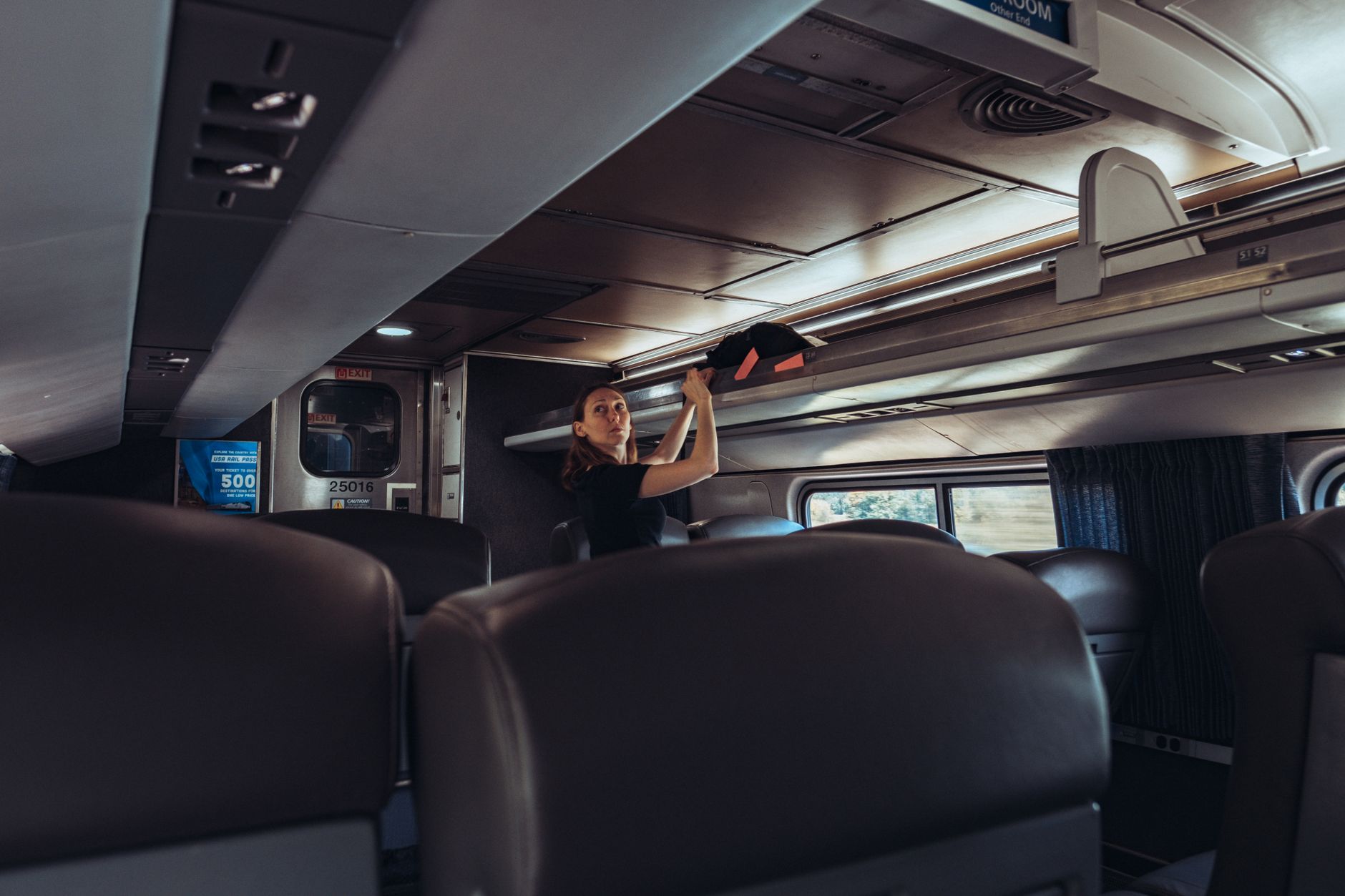
For a full 56-person roster, a 56-Passenger Motor Coach keeps the group together and provides the best combination of luggage capacity, restroom access, and highway comfort. It is the workhorse of long-haul group travel, with reclining seats, overhead storage, a restroom, DVD or USB capability, and luggage bays under the coach. Confirm the actual seat count and baggage configuration because a nominal 56 seats may be reduced by wheelchair positions, guide seating, or equipment. Yosemite's bus parking and road limits also make exact coach length and width important before the carrier accepts the itinerary.
| Vehicle | Seats | Best For | Notes |
|---|---|---|---|
| 56-Passenger Motor Coach | Up to 56 passengers | Use this when the roster is near full size and everyone needs to travel together over several states and multiple days. | Best highway comfort and underfloor baggage capacity for a full group, but verify that the coach stays within Yosemite's maximum permitted dimensions and designated bus parking plan. |
| 40 to 50 Passenger Motor Coach | 40 to 50 passengers | Use this when the confirmed headcount is below full capacity or when a shorter coach makes gateway and venue handling easier. | Provides similar highway amenities with a little more flexibility for parking and baggage management, subject to its actual dimensions and the group's luggage volume. |
| Mini Coach | 24 to 35 passengers | Use this for a smaller tour, a split group, or a local shuttle component rather than a full 56-person long-haul movement. | Easier to place at smaller hotels and local venues, but has less luggage-bay capacity and may not include the same restroom or underfloor storage as a full motor coach. |
| Executive Sprinter | 8 to 14 passengers | Use this for staff, VIPs, airport transfers, or a small advance team traveling separately from the main group. | Works for small executive groups and tight urban access, but luggage space, aisle comfort, and restroom availability make it unsuitable for a full multi-day group of 56. |
Routing, Timing, and On-the-Road Realities
For a Bay Area or Sacramento departure, an early pickup helps clear urban traffic before the group reaches the Central Valley, with a controlled meal or rest stop near Modesto, Merced, or Fresno depending on the route. San Francisco and Oakland pickups need extra allowance for hotel loading windows, bridge traffic, and passenger delays, while San Jose groups may benefit from consolidating at one accessible pickup site. Southern California departures should generally use a travel day rather than trying to reach Yosemite and complete a full Valley program after a long run. The dispatch plan should identify fuel, restroom, and meal stops that can handle a 56-Passenger Motor Coach without forcing passengers across an unsafe roadway. On arrival, Mariposa, El Portal, Oakhurst, Fresno, or another gateway can serve as the staging base when Valley lodging is unavailable. The driver should receive the park route, coach dimensions, authorization documents, and a parking plan before entering Yosemite.
Inside Yosemite, the coach should use only approved roads and designated bus parking, with the group walking or transferring to the free Valley shuttle for areas without coach parking. Do not schedule a 56-Passenger Motor Coach for narrow side roads, restricted trailhead approaches, or a last-minute viewpoint loop without checking current vehicle limits. Glacier Point Road, Tioga Road, Mariposa Grove access, and roads beyond Badger Pass can carry seasonal or length restrictions, and buses longer than 30 feet are restricted on certain segments. Tunnel View can be a useful programmed stop from the Highway 41 approach, but it needs a safe unloading and dwell plan rather than an assumption that the coach can wait anywhere. Build the itinerary around an early Valley arrival because parking can fill by late morning, particularly on weekends and holidays. Keep the driver within legal hours by separating the long approach day from the in-park program, scheduling the required off-duty period, and adding relief coverage when the route or event schedule demands it.
What This Typically Costs
A Yosemite motor coach quote is usually built from a daily charter rate, mileage, and any applicable daily minimum, rather than from passenger count alone. A multi-day run commonly carries a per-day minimum even when the coach is parked for part of the day, while long repositioning legs add chargeable miles and deadhead from the operator's yard to pickup and back. Summer, holiday weekends, graduation trips, and October fall-color demand can push rates above typical shoulder-season pricing. Budget separately for driver lodging, meals or per diem, tolls, parking, park or venue fees, and any fuel adjustment in the contract. Driver gratuity is commonly handled as a separate line item or paid at the group's discretion. In most markets, a full 56-Passenger Motor Coach traveling several days to Yosemite commonly runs a few thousand dollars per day before extraordinary mileage, with the final range driven by origin, dates, coach availability, and itinerary complexity.
Frequently Asked Questions
Is a 56-Passenger Motor Coach the right bus for 56 passengers going to Yosemite?
For 56 passengers, a 56-Passenger Motor Coach is usually the cleanest operational fit because the entire group, luggage, and tour staff travel together. The workhorse of long-haul group travel, it typically provides reclining seats, overhead storage, a restroom, DVD or USB capability, and luggage bays underneath. Confirm the usable luggage capacity with the carrier if the group is carrying multiple large suitcases per person, outdoor gear, or mobility equipment. A smaller vehicle may require a second unit or a strict soft-bag limit.
How many days should a multi-day Yosemite group tour take?
Most groups should allow three to five nights for a useful Yosemite group tour, depending on the departure city. A Northern California origin can work as a three-day or four-day program, while Los Angeles, Las Vegas, Phoenix, Portland, or the Bay Area often needs additional travel time. The first day is normally a transfer day with a meal and one controlled stop, not a full sightseeing day. Two or three in-park days allow for Yosemite Valley, Mariposa Grove or Wawona when open and permitted, and time for weather or traffic delays.
What are the best months for a Yosemite motor coach tour?
Late spring through early fall is the broadest operating window, but each month has different road and crowd conditions. May and June can offer waterfalls and cooler temperatures, although higher-elevation roads may still be closed and snow can affect access. July and August provide the most predictable access but bring the heaviest demand, full parking areas, and higher charter pricing. September and early October often improve road conditions and crowd levels, while November through April requires winter planning because Tioga Road and Glacier Point Road typically close seasonally and chain restrictions may apply.
What Yosemite permits and parking rules apply to a motor coach?
A 56-Passenger Motor Coach over 21 feet needs designated bus parking and the operator must follow Yosemite's commercial-use requirements. Commercial passenger vehicles exceeding 45 feet in length or 102 inches in width are prohibited within the park, so the exact coach dimensions must be checked before dispatch. A commercial-use authorization or other applicable park authorization does not guarantee a parking space. The driver must use designated bus areas, avoid shuttle stops and double parking, and shut down the engine when a stop exceeds the permitted idling period. Routes such as Soda Springs Road, Lembert Dome, Glacier Point Road, and Mariposa Grove have additional length, seasonal, or authorization restrictions.
What does a typical Yosemite group tour itinerary look like?
A realistic itinerary starts with a first-day pickup before the main traffic build, a highway meal stop, and arrival at a staging hotel in Mariposa, El Portal, Oakhurst, or another gateway community. Day 2 can enter through Highway 140 or Highway 41, use a designated bus parking area, and connect the group to Valley walking routes and the free shuttle. Day 3 can cover a guided Valley program, Tunnel View where the vehicle can safely stop, and a planned dinner or lodging return. A fourth day may add Wawona or Mariposa Grove only after checking current road access, vehicle limits, and commercial bus instructions. The motor coach should not be treated as a hop-on vehicle for every trailhead because many Valley destinations have no bus parking.
How do driver hours affect a multi-day Yosemite charter?
The motor coach driver still has to comply with federal hours-of-service rules even when the bus is parked during a trail visit. Dispatch normally builds around a maximum driving window, required off-duty breaks, and a longer daily rest period, with the precise limits confirmed against the carrier's operating plan and current regulations. A long first day from Southern California should not be followed by an aggressive in-park sightseeing schedule without a relief or overnight plan. Multi-day itineraries commonly use an overnight at the destination so the driver does not exceed available on-duty time returning the same day. A second driver may be required for unusually long repositioning, tight schedules, or a plan that exceeds one driver's legal and practical workday.
Where should a 56-passenger group stay near Yosemite?
Hotels in Yosemite Valley offer the shortest access but limited inventory and higher group-planning constraints. Mariposa and El Portal are practical west-side staging points for Highway 140, while Oakhurst and Bass Lake work better for Highway 41 and Wawona-oriented programs. Fresno, Merced, and Modesto can be useful pre- or post-trip overnights when the group is connecting to airports, rail, or a longer California corridor. The hotel must confirm coach access, turning room, loading space, parking, driver rooms, and any late-arrival procedure. During summer, reserve lodging and driver rooms early because a bus can be available while gateway hotel inventory is not.
How to Book
To quote a Yosemite group tour, have the travel dates, pickup address, confirmed headcount, luggage expectations, hotel plan, and every requested park or venue stop ready. Include whether the group needs airport transfers, a guide, wheelchair access, meal stops, or a second driver, because each can change the vehicle and schedule. US Bus Trips can typically return a realistic charter quote within 4 business hours once the route and dates are complete. The confirmation should identify the assigned vehicle class, pickup instructions, itinerary, driver contact process, included mileage or hours, parking and toll responsibilities, cancellation terms, and any driver lodging assumptions.
Related Trips You Might Also Consider
- Wichita, KS to Tulsa, OK
- Yellowstone — 56-Passenger Motor Coach
- Charleston — 56-Passenger Motor Coach
- Sacramento, CA to Lake Tahoe, CA
- Mesa Verde — 14-Passenger Sprinter
- Family Reunion — Northeast Region
- Cross-Country Charter Bus Overview
- All Group Trip Types
- See the Full Fleet (Sprinters through 56-pax coaches)
- Get a Free Quote in 60 Seconds