
US Bus Trips arranges Agriculture FFA/4-H convention travel, livestock show shuttles, and county-to-state fair transportation across the Mid-Atlantic.
Overview
Agriculture FFA/4-H travel in the Mid-Atlantic usually combines education, competition, and fair attendance rather than a single transfer. A Maryland chapter may move from Carroll County Agriculture Center in Westminster or Montgomery County Fairgrounds in Gaithersburg to Maryland State Fairgrounds in Timonium, while Eastern Shore groups may stage near Denton, Queen Anne's County, or Harrington, Delaware. Virginia movements commonly connect Fairfax, Loudoun, Manassas, Fredericksburg, Richmond, and Doswell, with occasional runs west toward Winchester, Harrisonburg, or the Shenandoah Valley. West Virginia delegations may travel from Martinsburg, Morgantown, Charleston, or Lewisburg to county events, the State Fair of West Virginia, or a regional airport. DC and Arlington are more often convention, hotel, museum, and airport bases than livestock destinations, so curb access and passenger staging matter. The typical customer is a school agriculture teacher, county extension office, FFA advisor, 4-H leader, parent committee, or fair coordinator booking for roughly 12 to 55 travelers, sometimes across several chapters.
Peak demand follows the agricultural calendar. Spring brings livestock classics, junior shows, judging events, and convention travel, while July and August create the heaviest overlap of county fairs and state-fair preparation. Maryland's county fair schedule includes recurring events in Westminster, West Friendship, Crownsville, La Plata, Denton, and other rural hubs, and the Maryland State Fair in Timonium draws groups over multiple late-August and September weekends. Delaware State Fair travel centers on Harrington, with bus movements often originating in Wilmington, Dover, Newark, the Eastern Shore, or Maryland's Delmarva counties. Virginia's State Fair in Doswell follows the late-summer county-fair cycle, while West Virginia's state fair in Lewisburg creates longer rural runs from the Eastern Panhandle and central counties. Book early when a school calendar, livestock check-in, or judging slot is fixed because fair weeks consume both vehicles and drivers across the Mid-Atlantic.
The trip profile can range from a same-day charter bus shuttle to a multi-day motor coach itinerary with hotel staging and airport arrivals. BWI is a common gateway for Baltimore, Annapolis, Timonium, and central Maryland; DCA serves DC and Arlington but requires disciplined curb timing; IAD works for Fairfax, Loudoun, western Virginia, and Shenandoah-bound groups. Long-haul group travel commonly follows I-95 between Wilmington, Baltimore, Washington, Richmond, and Fredericksburg, with I-70, I-81, US 29, US 50, US 301, and the Chesapeake Bay Bridge shaping other routes. Blue Ridge and Shenandoah runs are scenic but slower, especially when a coach leaves the interstate for farms, fairgrounds, or mountain towns. Passenger cargo may include uniforms, instruments, banners, judging materials, coolers, bedding, show clothing, folding displays, and personal bags; livestock itself normally travels separately in approved trailers. A complete quote therefore needs the passenger roster, equipment dimensions, accessibility requirements, school or farm pickup conditions, and whether the bus waits during the event or returns later.
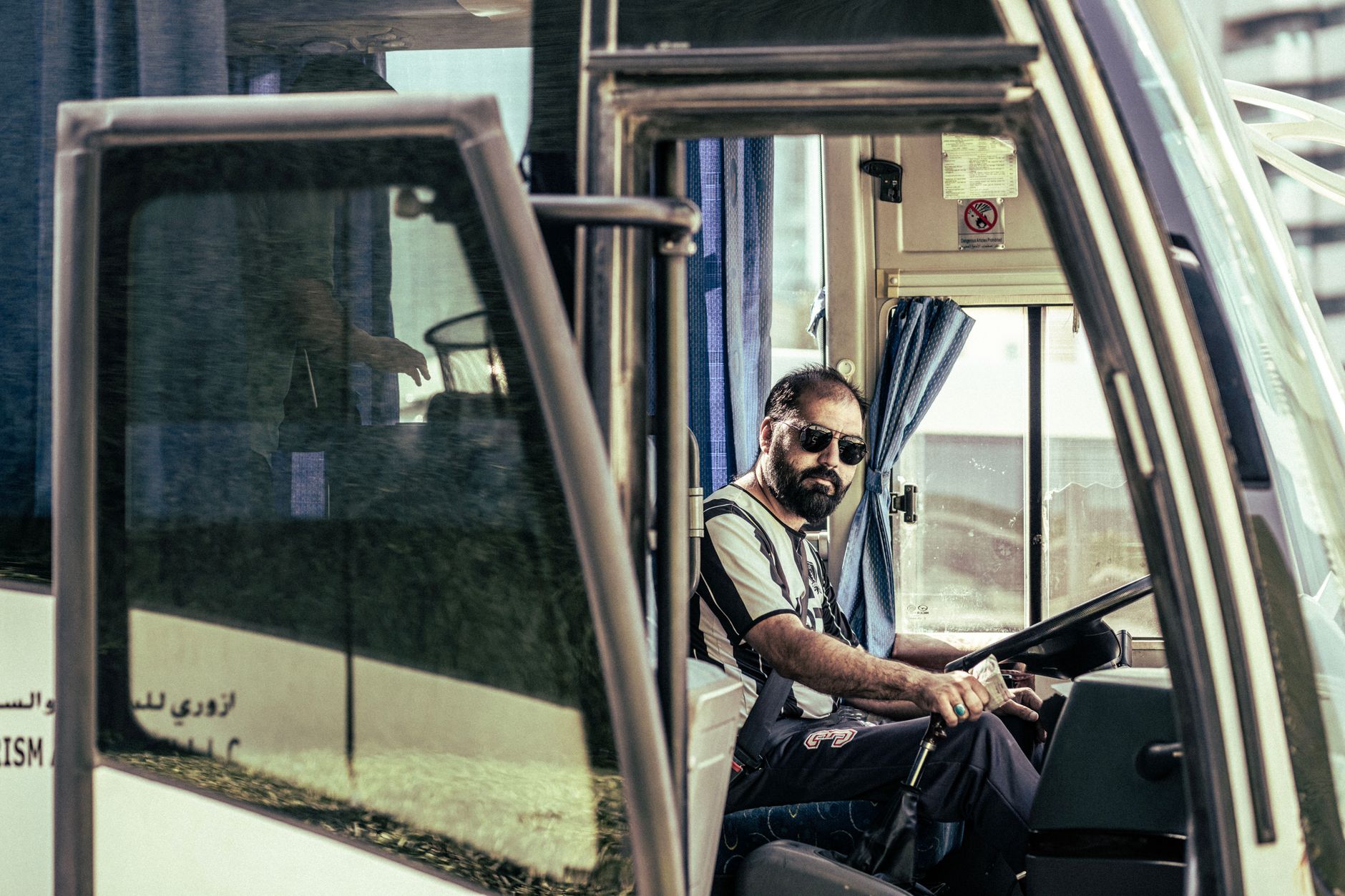
Fleet Options
Vehicle choice for Agriculture FFA/4-H group travel starts with the roster, then adds luggage, uniforms, instruments, display materials, and mobility equipment. A full-size charter bus or motor coach is usually the most comfortable option for 35 to 55 passengers and provides the best underfloor storage for multi-day runs. Smaller groups may save operating complexity with a mini coach, mini bus, or executive Sprinter, but those vehicles can run out of cargo space quickly. Tight school entrances, downtown DC curbs, airport lanes, and fairground staging areas may favor smaller vehicles or separate loading zones. For a large delegation, two properly loaded buses are often easier to dispatch than one bus filled beyond practical storage capacity.
| Vehicle | Seats | Best For | Notes |
|---|---|---|---|
| Full-size motor coach | 45-55 passengers | Use for statewide delegations, overnight convention travel, or long I-95 and Blue Ridge runs where onboard comfort and storage matter. | Best luggage and underfloor storage for uniforms, instruments, coolers, and multi-day baggage; confirm fairground parking and turning space before arrival. |
| Mini coach | 24-35 passengers | Use for a county chapter, airport transfer, or two-stop fair movement that does not require full motor-coach storage. | A practical middle option with more maneuverability than a full-size coach, but cargo capacity depends heavily on the floor plan and passenger load. |
| Mini bus | 14-24 passengers | Use for small 4-H groups, hotel-to-venue shuttles, or feeder runs between schools, hotels, and fairgrounds. | Useful on tight local streets and short shuttle loops, though luggage and equipment space may be limited when every seat is occupied. |
| Executive Sprinter | 8-14 passengers | Use for officers, judges, adult leaders, or a small competition team traveling between BWI, DCA, IAD, hotels, and venues. | Fits smaller teams and executive-style airport movements, but plan carefully for baggage, garment bags, mobility devices, and long ride comfort. |
Routing, Timing, and On-the-Road Realities
The main Mid-Atlantic routing problem is predictable congestion layered onto fixed event times. I-95 can slow around Baltimore, Washington, Fredericksburg, and Richmond, while the Capital Beltway and I-495 create schedule risk for DC-area hotel and airport movements. Groups crossing the Chesapeake Bay Bridge should build buffer for summer beach traffic, lane restrictions, weather, and weekend backups, particularly when traveling from Baltimore or Annapolis toward Kent County, the Eastern Shore, or Delaware. A practical pickup often starts before the morning commuter peak, with airport arrivals scheduled in waves rather than against one tight curb appointment. For BWI, DCA, and IAD, the reservation should identify the terminal, pickup level, flight-monitoring contact, and a fallback meeting point. Fairgrounds may have separate bus gates, livestock entrances, or remote parking, so the driver needs the venue's current bus instructions instead of relying on a passenger-car map.
Blue Ridge and Shenandoah trips need more than interstate mileage in the schedule. Routes from Northern Virginia through Leesburg, Winchester, Front Royal, Luray, Harrisonburg, or Charlottesville may involve two-lane approaches, limited shoulder space, and no safe place to turn a full-size coach near a farm entrance. Virginia and West Virginia fairgrounds can also place passenger loading away from the main gate, especially when livestock trailers, exhibitors, carnival equipment, and visitor traffic share the property. Keep a fixed driver break plan and verify the legal driving window before adding a late-night return after a full competition day. Overnight itineraries require a hotel with coach access, driver rooms, and a clear bus parking location; a passenger hotel can be unsuitable for a 45-foot vehicle. For multiple buses, assign lead and follow vehicles, stagger entry times, use one group reunification point, and keep the accessible bus near the designated unloading area.
What This Typically Costs
Pricing for Agriculture FFA/4-H group travel usually starts with a daily vehicle minimum, then adjusts for mileage, trip length, vehicle class, season, and the number of buses required. A local fair shuttle may fit a short minimum, while a multi-state Mid-Atlantic run commonly carries a one- to several-day minimum. Distance is billed through the scheduled route and any deadhead miles needed to position the charter bus, especially for Eastern Shore, West Virginia, or rural Virginia departures. Driver lodging and parking are separate planning items on overnight work, and drivers may need rooms near the fairgrounds or hotel block rather than at the passenger hotel. Peak demand typically runs from late spring livestock shows through July and August county fairs, then into September state fairs, so availability can affect the range. Common line items include fuel adjustments, tolls, parking, driver gratuity, and additional standby hours; gratuity is commonly planned as a separate percentage or daily amount rather than assumed in the base quote.
Frequently Asked Questions
Can one charter bus serve multiple FFA or 4-H chapters?
Yes. A Mid-Atlantic charter bus can combine county fair pickups with a state fair or convention destination, but the schedule must account for rural roads, loading windows, and driver hours. Common patterns include Maryland county 4-H groups traveling to the Maryland State Fair in Timonium, Delaware groups traveling to Harrington, and Virginia delegations heading to Doswell for the State Fair of Virginia. A written stop schedule is needed when multiple chapters board at schools, extension offices, or fairgrounds. Livestock itself normally requires specialized trailers and separate animal-handling plans, while the passenger bus carries people, personal gear, uniforms, and approved equipment.
How many passengers fit on the usual vehicles?
For most Mid-Atlantic departures, plan roughly 45 to 55 passengers for a full-size motor coach, 24 to 35 for a mini coach, 14 to 24 for a mini bus, and about 8 to 14 for an executive Sprinter. Actual usable capacity falls when riders bring garment bags, coolers, display materials, musical instruments, or competition equipment. A roster should separate students, adult chaperones, drivers, and mobility-device users before the vehicle is assigned. The right choice is based on headcount plus cargo volume, not seats alone.
Which airports work best for FFA and 4-H convention groups?
Airport service is common for national convention travel and visiting delegations using BWI, DCA, or IAD. BWI works well for Baltimore, Annapolis, Timonium, and much of central Maryland, while DCA is convenient for DC and Arlington but can involve curb restrictions and tight circulation. IAD is often practical for Loudoun, Fairfax, western DC suburbs, and groups continuing toward the Shenandoah corridor. The charter bus should have a named terminal, pickup level, flight buffer, and contact person because airport curb access can change. For large groups, staged arrivals and two loading waves are often more reliable than sending every passenger to one curb at once.
Can the bus accommodate wheelchairs and mobility equipment?
Wheelchair users should be identified when requesting the quote, including whether the chair folds or must remain occupied during travel. An accessible charter bus may require lift deployment time and a different seating plan, so it should not be added at the last minute. Store mobility devices securely and keep aisles clear of feed bags, cases, uniforms, and coolers. If the group uses multiple buses, place accessible capacity on the vehicle assigned to the relevant school or chapter rather than treating it as a spare. Confirm venue-side accessible unloading with the fair or convention contact before departure.
How should we handle uniforms, instruments, and competition gear?
Yes, but equipment planning needs a cargo list. Instruments, livestock-show supplies, uniforms, banners, bedding, presentation boards, coolers, and personal bags compete for underfloor or rear storage. A motor coach generally provides the best luggage capacity, while a mini bus or Sprinter may have limited storage once every seat is occupied. Pack high-value or fragile items in labeled soft cases and keep emergency supplies accessible to the chaperone team. Oversized gear should be disclosed before dispatch so a trailer, second vehicle, or reduced passenger load can be evaluated.
How do multi-bus FFA and 4-H movements work?
A large delegation is usually managed through a movement plan rather than a single reservation. Dispatch assigns numbered buses, a lead contact, chapter rosters, radio or phone procedures, staggered meal stops, and a designated reunification point. For an event at Maryland State Fairgrounds, Delaware State Fairgrounds, or the State Fair of Virginia, buses may need separate arrival windows because fairground traffic and parking queues build quickly. One bus can be assigned to accessible riders or equipment while other buses handle standard passenger loads. The group should expect a short pre-departure check at every major stop before the convoy moves.
How far ahead should an Agriculture FFA/4-H trip be booked?
The best booking window is usually several weeks to a few months before travel, with earlier planning for July and August. Those months overlap county fairs, state fairs, camps, school calendars, and convention demand across the Mid-Atlantic. Late requests can still be quoted, but vehicle class, overnight driver availability, and pickup flexibility may narrow. Send the full itinerary even if some times are provisional, then update the dispatch plan as the event confirms its schedule. A bus should not be considered operationally confirmed until the vehicle, pickup instructions, driver contact process, and payment terms are documented.
How to Book
To book, have the dates, pickup address or addresses, headcount, chapter or school contacts, airport details, destination venue, equipment list, and full itinerary ready. Note whether riders need wheelchair access, overnight lodging coordination, multiple buses, or staged pickups from Maryland, Virginia, West Virginia, Delaware, or DC. US Bus Trips can typically return an initial quote within 4 business hours, subject to route and vehicle availability. Confirmation should identify the vehicle class, passenger capacity, pickup instructions, schedule, inclusions, cancellation terms, and dispatch contact; call or submit the trip details through US Bus Trips to begin.
Related Trips You Might Also Consider
- Non-Profit Fundraiser — Pacific Northwest Region
- Badlands — 56-Passenger Motor Coach
- Non-Profit Fundraiser — Northeast Region
- Boston Freedom Trail — 36-Passenger Mini Coach
- Robotics Competition — Pacific Region
- Mount Rushmore — 14-Passenger Sprinter
- Cross-Country Charter Bus Overview
- All Group Tour Destinations
- See the Full Fleet (Sprinters through 56-pax coaches)
- Get a Free Quote in 60 Seconds