
School, college, and community ensembles book US Bus Trips for Choir Competition travel across California and Hawaii.
Overview
Pacific choir transportation is usually booked by school music departments, college ensembles, church and community choirs, festival organizers, and parent travel coordinators. California supplies the highest volume, with local and overnight group travel concentrated around Los Angeles, Orange County, San Diego, the Bay Area, Sacramento, Riverside, and San Bernardino. A typical Choir Competition itinerary may run from a campus to a performing-arts center, then to a hotel, rehearsal room, dinner stop, and venue again the next day. The bus must arrive early enough for unloading, changing, warmups, and check-in rather than simply reaching the venue by show time. In Southern California, events can use school performing-arts centers such as El Dorado High School in Placentia, college venues, or major halls such as Segerstrom Concert Hall in Costa Mesa. A dispatcher needs the venue's bus entrance and staging instructions before promising a precise arrival window.
Group size commonly ranges from 25 to 56 singers and adults, with larger regional or international festival delegations requiring multiple vehicles. The roster may include a conductor, accompanists, chaperones, teachers, parents, and technical support, so a full bus can fill faster than the choir roster suggests. Choir cargo is also different from ordinary student luggage: uniforms need hanging or protected storage, while keyboards, percussion, music stands, folders, risers, and garment bags compete for underfloor bay space. The Golden Gate International Choral Festival in the Berkeley and wider Bay Area market illustrates the multi-day pattern, with competitions, concerts, rehearsals, and cultural activities spread across several days. Orange County festival schedules can similarly combine rehearsals and a public performance at Segerstrom Center for the Arts. Accessible seating, lift equipment, and a reliable method for tracking cases should be confirmed before the vehicle is assigned.
California corridors drive most Pacific group travel: Los Angeles to San Diego, Los Angeles to San Francisco, Los Angeles to Las Vegas, the Bay Area to Sacramento, and local Orange County and Inland Empire loops. Winter adds ski shuttles to Mammoth and Tahoe, while spring and fall bring wine-country coach tours that may be attached to a choir festival or alumni program. Hawaii is a separate island-market, with Waikiki airport and hotel transfers, North Shore excursions, and Kailua or other Windward Oahu group runs requiring local curb and road planning. On Oahu, one charter bus may cover the airport, hotel, rehearsal, concert, and return movements, but it cannot be assumed that every residential street or venue driveway will accept a full-size coach. Peak demand usually falls in late winter and spring competition season, summer youth festivals, and holiday concert periods. The earlier the group provides dates and venue contacts, the better the chance of securing matching vehicles and workable parking windows.
Fleet Options
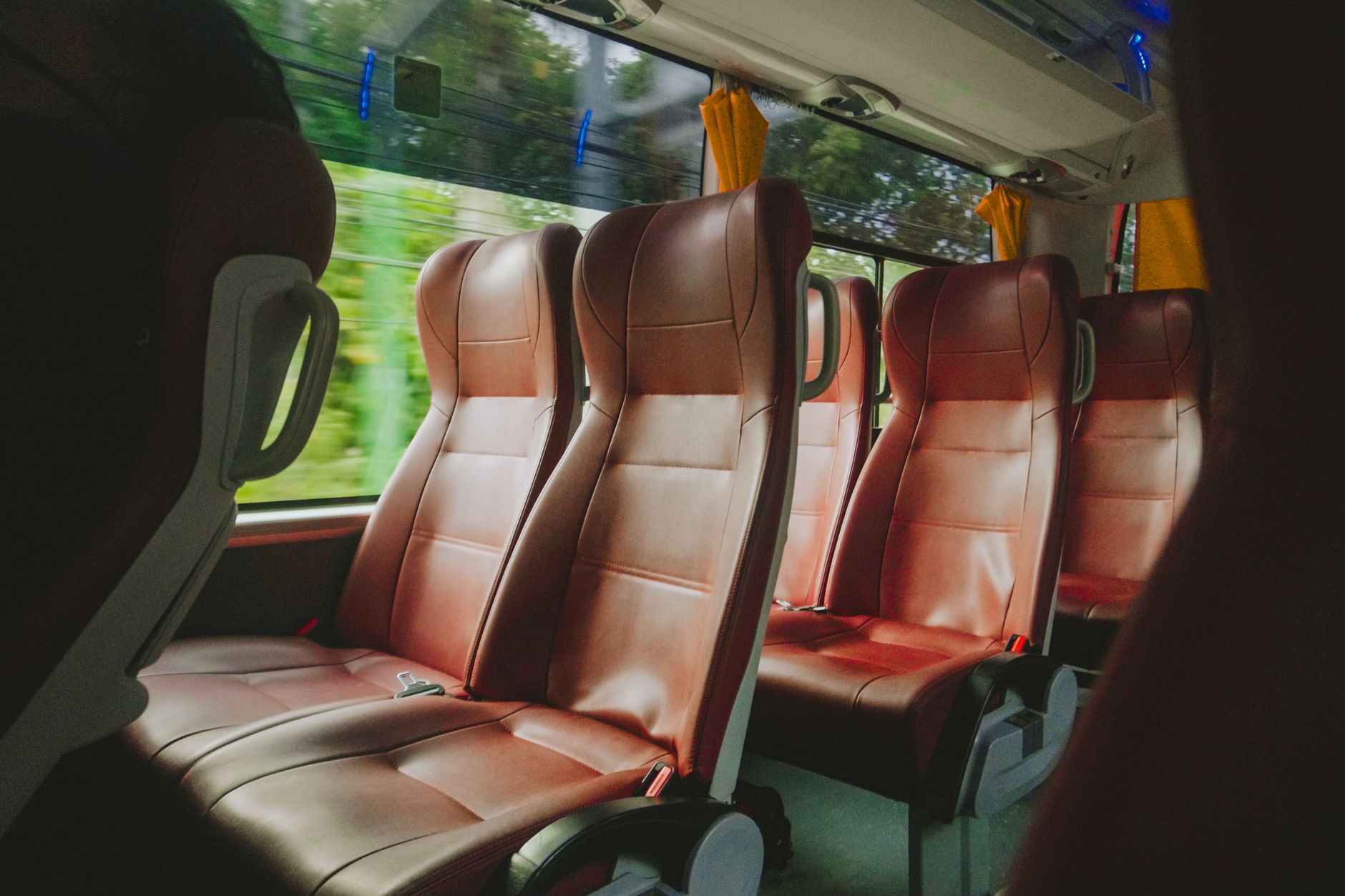
Vehicle selection starts with the full passenger count, chaperone ratio, luggage, instruments, uniforms, and accessibility requirements rather than the singer count alone. A charter bus or motor coach is usually the most practical choice for intercity Pacific group travel because it keeps the ensemble together and provides underfloor storage. Smaller vehicles can be better for hotel shuttles, tight urban approaches, or split schedules where a full-size coach cannot use a driveway or loading zone. Confirm whether the destination has a bus lane, surface parking, low clearance, or a mandatory staging area before assigning equipment.
| Vehicle | Seats | Best For | Notes |
|---|---|---|---|
| Full-size motor coach | 40-56 passengers | Use for a school, college, or community choir traveling between major California metros or carrying substantial luggage and instrument cases. | Best long-haul comfort and underfloor cargo capacity, but requires a planned bus approach, legal curb access, and surface parking rather than most garages. |
| Mini coach | 24-38 passengers | Use for a mid-sized ensemble, overflow group, or local festival shuttle where streets and parking are constrained. | More maneuverable at schools, hotel entrances, and smaller performance venues, with less cargo volume than a full-size coach. |
| Executive Sprinter | 8-14 passengers | Use for directors, adjudicators, accompanists, small community choirs, or airport and hotel movements. | Comfortable for short transfers and small delegations, but luggage and instrument capacity must be counted carefully and may require a separate support vehicle. |
| Accessible charter bus | Typically 35-56 passengers, depending on mobility equipment | Use when one or more passengers require lift access or when a large ensemble needs inclusive door-to-door service. | Reserve a wheelchair lift or ramp-equipped unit in advance and verify aisle, bay, and loading space at every stop. |
Routing, Timing, and On-the-Road Realities
Los Angeles-area routing requires more than estimating freeway mileage. A bus moving between the San Fernando Valley, Orange County, downtown Los Angeles, and San Diego should be scheduled around peak congestion, venue check-in, and the time needed for students to unload instruments and change. For Beverly Hills and central Los Angeles stops, bus restrictions, limited curb space, and short loading windows can make a surface lot or designated staging area more practical than a direct theater entrance. Santa Monica, museum, stadium, and downtown locations may require advance parking arrangements, and many parking structures cannot accept oversized vehicles. For Orange County venues such as Segerstrom Concert Hall, obtain the coach entrance, passenger unloading point, and post-drop parking plan before dispatch. Bay Area itineraries involving Berkeley, Oakland, San Francisco, or San Jose need similar attention to bridge traffic, hotel loading zones, and steep or narrow streets. A practical pickup plan uses an early campus departure, a driver relief or meal stop where appropriate, and a buffer for traffic before the ensemble's call time.
Longer Pacific group travel should be planned by duty time and vehicle days, not by the concert schedule alone. Los Angeles to San Francisco can become an all-day movement once loading, meal stops, congestion, and venue positioning are included, so an overnight or relief-driver plan may be safer than an aggressive same-day turnaround. Los Angeles to Las Vegas, San Diego coastal routing, and Sacramento or wine-country loops also need a written return plan if the concert ends late. Tahoe and Mammoth runs require winter-weather monitoring, chain-control contingencies, and a decision about whether the coach can safely reach the final hotel or ski-area access road. In Hawaii, Waikiki and North Shore schedules should allow for hotel loading delays, tour traffic, and limited bus turnaround areas; Kailua pickups may require precise curb instructions. For every Choir Competition, identify where the bus waits during the performance, whether the driver needs overnight lodging, and whether equipment remains aboard. Multi-vehicle groups should use a shared arrival sequence and separate loading zones so one delayed coach does not block the entire festival movement.
What This Typically Costs
Choir transportation is usually priced around vehicle days, mileage, routing complexity, and the number of coaches required. In most Pacific markets, operators apply a daily minimum, with longer California runs commonly priced by a combination of day rate and mileage. Deadhead miles can affect the quote when a bus must travel empty from another market, especially for island or rural pickups. Peak spring competition dates, summer festivals, ski-season trips, and major holiday weekends can reduce availability and raise rates. Overnight itineraries usually add driver lodging, parking, and meal-related costs, while Hawaii bookings may also reflect inter-island positioning and local fleet availability. The quote should identify fuel adjustments, tolls, parking or venue fees, driver gratuity, extra service hours, and any permit charges as separate line items rather than hiding them in an unexplained total.
Frequently Asked Questions
How many people can a choir charter bus trip accommodate?
Most school, college, and community groups travel with roughly 25 to 55 singers, plus a director, accompanists, chaperones, and sometimes family supporters. A compact school ensemble may fit one 40 to 56 passenger motor coach, while a large festival delegation can require two or more charter bus units. Community choirs often add garment bags, personal luggage, and equipment cases because the trip combines a performance with an overnight stay or tour. Final vehicle count depends on the total headcount, not just the number of singers.
What type of charter bus works best for a choir competition?
A standard motor coach is usually the best starting point for a group of about 40 to 56 passengers traveling between California metros. It provides reclining seats, climate control, overhead storage, underfloor bays, and a restroom on many models. A choir carrying keyboards, percussion, music stands, risers, garment bags, or mobility equipment should not plan to fill every seat. US Bus Trips can compare passenger capacity with the actual cargo list before assigning the vehicle.
Which Pacific routes are common for choir competitions and festivals?
Typical California routing includes Los Angeles to San Diego, Los Angeles to San Francisco, the Bay Area to Sacramento, and Southern California to Las Vegas. Local competition runs may connect Orange County, Riverside, San Bernardino, Los Angeles, and San Diego venues in one itinerary. Festival programs can include a performance venue, rehearsal site, hotel, sightseeing stop, and closing concert, so the bus may make several controlled movements each day. The Golden Gate International Choral Festival has used Berkeley and Bay Area performance locations, while Orange County programs may center on Segerstrom Concert Hall in Costa Mesa or school performing-arts centers in Placentia and Orange.
Can you arrange choir transportation in Hawaii?
Yes, but the itinerary must account for the aircraft, ferry, or inter-island connection rather than treating Hawaii like a continuous mainland road trip. Waikiki hotel pickups, North Shore performance or sightseeing runs, and Kailua or Windward Oahu group travel are common planning patterns. A charter bus can handle airport transfers, rehearsals, concerts, and coordinated hotel movements on Oahu, but narrow residential streets, loading restrictions, and limited curb space require advance venue instructions. Inter-island programs need separate local transportation planning on each island because a mainland motor coach does not transfer with the group.
How should a choir handle instruments, uniforms, and wheelchairs?
Choirs should disclose wheelchairs, walkers, large instruments, keyboard cases, percussion, uniforms, risers, and checked luggage before the quote is finalized. Standard underfloor bays handle many cases, but cargo space varies by coach and is reduced when every seat is occupied. A lift-equipped vehicle may be needed for a passenger using a wheelchair, and accessible equipment should be requested early. Keep instruments and uniforms in a temperature-controlled passenger or cargo area when practical, and assign an adult to inventory cases at each venue.
How are multi-bus choir groups managed?
Large groups are normally split by roster, hotel assignment, or equipment load rather than loaded randomly. Each vehicle should have a lead chaperone, printed passenger list, emergency contacts, and a clear departure time. For two or more coaches, dispatch should stagger loading when a venue has one bus lane and designate a separate equipment vehicle or luggage sequence when needed. Drivers need a common radio or phone plan, written routing, venue contact information, and a reunification point in case curb access changes.
When should a choir reserve transportation?
The busiest planning windows are generally late winter through spring for school competitions, summer for youth and international festivals, and selected December dates for holiday concerts. Ski trips to Mammoth and Tahoe add winter demand, while wine-country and coastal touring can increase spring and fall availability pressure. Booking several weeks ahead may work for a simple local run, but large groups, multiple coaches, accessible equipment, Hawaii, and overnight travel should be requested months ahead. Early booking also gives the venue time to approve bus parking, unloading, and turnaround procedures.
How to Book
Have the travel dates, pickup address, total headcount, passenger accessibility needs, equipment list, hotel locations, performance schedule, and complete itinerary ready when you contact US Bus Trips. Include every rehearsal, competition, sightseeing stop, airport movement, and return leg so dispatch can plan vehicle days and driver hours correctly. Most complete requests receive a quote or clarification within 4 business hours, subject to fleet availability and itinerary complexity. Confirmation should identify the vehicle type, service window, pickup instructions, routing assumptions, fees, cancellation terms, and dispatch contact; reach us through the US Bus Trips booking team by phone or online request.
Related Trips You Might Also Consider
- Saint Paul, MN to Milwaukee, WI
- Redwoods — 14-Passenger Sprinter
- Non-Profit Fundraiser — Pacific Region
- Dance Competition — Northeast Region
- Minneapolis, MN to Fargo, ND
- Sequoia — 24-Passenger Mini Bus
- Cross-Country Charter Bus Overview
- All Group Tour Destinations
- See the Full Fleet (Sprinters through 56-pax coaches)
- Get a Free Quote in 60 Seconds