
US Bus Trips arranges Wedding Guest Block service for destination weddings that bring guests from hotel rooms to ceremonies, receptions, and late-night returns.
Overview
A Wedding Guest Block in the Pacific usually combines hotel pickups with a fixed ceremony and reception schedule, then adds a controlled return plan after dinner or the after-party. California volume is concentrated around Los Angeles, San Diego, San Francisco, Napa, Sonoma, Orange County, Palm Springs, Tahoe, and Mammoth. Common long-distance group travel corridors include LA-San Diego, LA-San Francisco, LA-Las Vegas, Bay Area-to-wine-country, and valley-to-mountain transfers. A San Diego wedding may stage guests from downtown, Mission Bay, and La Jolla hotels for venues near Balboa Park, Coronado, or Rancho Santa Fe. In Southern California, Malibu, Santa Barbara, Temecula, Palm Springs, and Orange County properties often require a charter bus because hotel rooms and venues are separated by freeway traffic. The customer is usually a couple, wedding planner, hotel coordinator, or family member who needs one accountable transportation plan rather than dozens of individual rides.
Pacific wedding work varies sharply by geography and venue access. Napa and Sonoma itineraries may run from San Francisco or Oakland hotels to estates around Yountville, St. Helena, Calistoga, Healdsburg, or the Silverado Resort, with narrow approaches and limited coach staging. San Francisco events at waterfront or downtown properties may need timed curb access, while Half Moon Bay and Big Sur runs require extra road-time margin. Tahoe and Mammoth add mountain grades, winter weather, snow-chain policies, and equipment concerns; ski shuttles may carry boots, boards, garment bags, and ceremony supplies. Hawaii adds an island-market pattern rather than mainland mileage: Waikiki hotels commonly feed venues in Kailua, Ko Olina, Kapolei, the Windward Coast, or the North Shore. On Oahu, a motor coach may serve a consolidated room block, but multiple minibuses can be more workable when hotel driveways and venue lots cannot accept a large vehicle.
Guest counts commonly fall from a small family group to several hundred attendees spread across several hotels, so the vehicle plan must be based on departure waves rather than the invitation total alone. A 40-person room block may need one charter bus, while a 180-person wedding may require several coaches departing from separate hotel clusters. Guests may bring carry-on bags on arrival day, formalwear, gifts, instruments, uniforms, golf clubs, ski gear, or mobility devices, all of which change usable capacity. Wheelchair users should be identified early so an accessible vehicle and a curbside lift location can be assigned. Long rides between Los Angeles and San Diego, Los Angeles and San Francisco, or Honolulu and the North Shore need comfortable seating, rest planning, and realistic return times. Wedding planners should also separate guest transportation from vendor, band, florist, and wedding-party movements when those loads compete for luggage space. A good Pacific group travel plan leaves enough recovery time that a late hotel elevator or a slow venue load does not move the ceremony schedule.
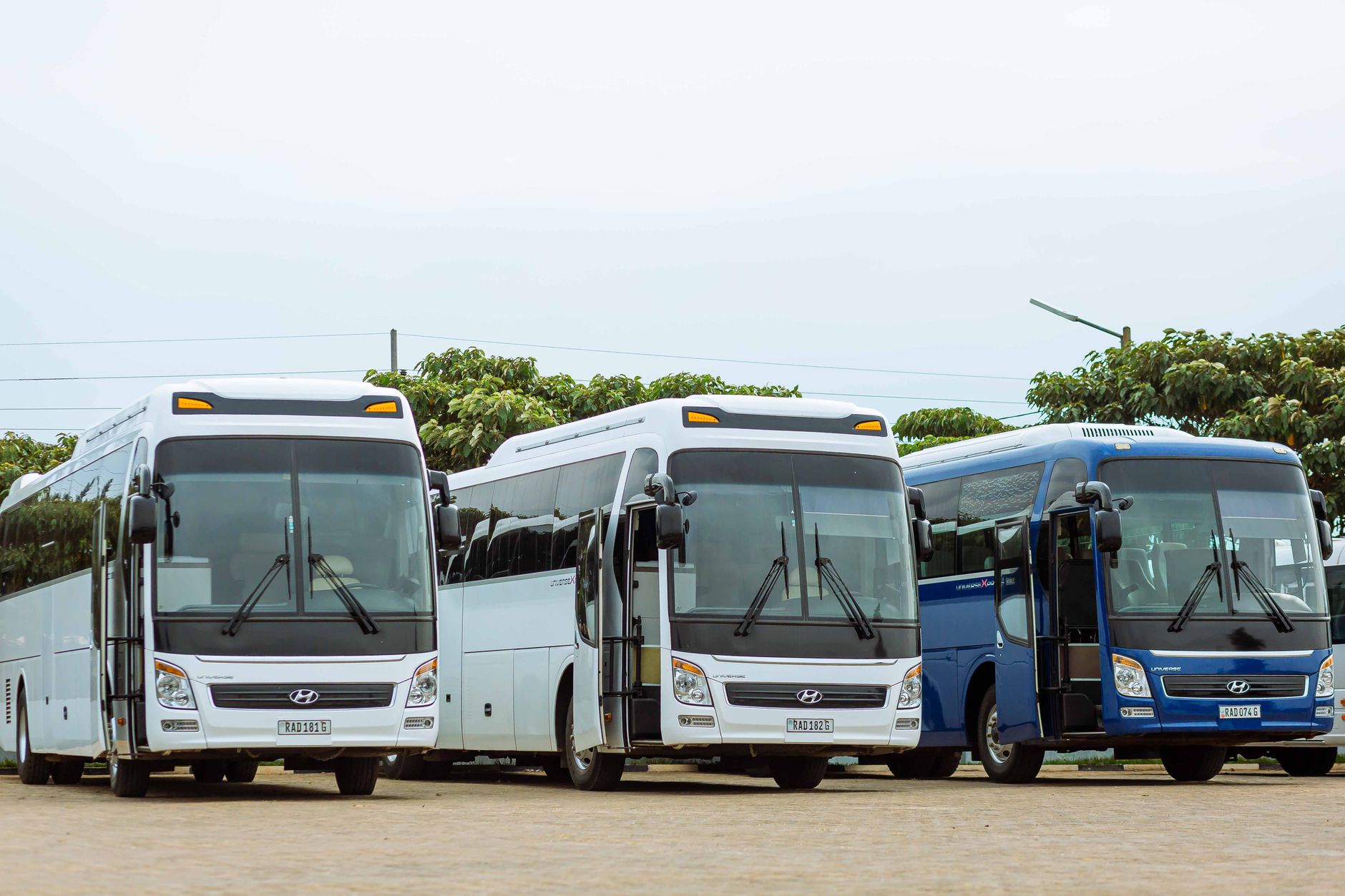
Fleet Options
Vehicle selection starts with passenger count, hotel distribution, luggage, and the amount of time guests will spend aboard. A motor coach is usually the best fit for long California corridors or a large room block, while a charter bus or minibus works better for repeated venue loops. Executive Sprinters can reach tighter hotel drives and smaller estates where a full-size bus cannot stage safely. Confirm luggage, instruments, uniforms, ski equipment, wheelchairs, and wedding decor early because cargo can reduce practical seating. Venues such as Napa estates, Malibu properties, mountain lodges, and Waikiki hotels may impose turning, curb, or parking limits that affect the vehicle plan.
| Vehicle | Seats | Best For | Notes |
|---|---|---|---|
| Executive Sprinter | 8-14 passengers | Use it for a compact guest group, airport transfer, rehearsal event, or short hotel-to-venue movement where a larger bus would be inefficient. | Best for small hotel blocks, VIP family groups, rehearsal dinners, and tight access roads; luggage space is limited and bulky wedding gear should be pre-counted. |
| Minibus | 18- thirty passengers | Use it for one or two hotel blocks, staggered ceremony departures, or Oahu and California venue roads with constrained parking. | A practical middle option for urban hotel loops and smaller venues, with easier street fit than a full-size coach but less luggage capacity than a motor coach. |
| Charter bus | thirty-five to forty-five passengers | Use it when a medium-size room block needs dependable hotel-to-venue service or when multiple departures must be consolidated. | Suitable for recurring wedding shuttles and regional transfers, with underfloor storage on many configurations; verify wheelchair access and equipment volume before assigning seats. |
| Motor coach | fifty to fifty-six passengers | Use it for LA-San Diego, LA-San Francisco, LA-Las Vegas, Napa, Tahoe, Mammoth, or large Hawaii wedding movements with extended ride times. | Provides the strongest fit for long-haul comfort, large luggage loads, onboard restroom availability on many models, and multi-day Pacific group travel; confirm exact amenities by carrier. |
Routing, Timing, and On-the-Road Realities
California timing is driven by freeway congestion as much as by map distance. LA-San Diego service should allow for I-5 traffic through Orange County, while LA-San Francisco runs need a substantial buffer for I-5 or US-101 conditions and the final Bay Area approach. LA-Las Vegas trips use I-15 and can be affected by weekend resort traffic, holiday volume, and desert heat. Bay Area pickups for Napa or Sonoma should avoid sending every hotel stop into the same downtown curb window; stage buses where the hotel permits commercial loading and then proceed north in a controlled sequence. For coastal venues near Malibu, Santa Barbara, Big Sur, Half Moon Bay, or La Jolla, confirm exact bus access because a passenger drop-off point may be separate from guest parking. Tahoe and Mammoth departures should be earlier than a simple mileage estimate suggests, particularly during ski weekends, storms, or holiday traffic.
Oahu routing requires a separate operating plan because the island roads and hotel access points behave differently from mainland corridors. Waikiki pickups can be slow when several large hotels share congested curb space, so assign exact loading zones and avoid overlapping coach arrivals. Ko Olina and Kapolei service generally uses H-1 west, while Kailua may require the Pali or Likelike route and North Shore trips commonly continue on H-1 and H-2 toward Haleiwa. Normal travel estimates can change materially during Saturday traffic, construction, rain, or event surges, so ceremony departures should include a meaningful buffer rather than a bare driving time. At remote California estates and mountain venues, confirm where the driver can turn, wait, unload, and park without blocking vendors or emergency access. Driver-hours planning matters on LA-San Francisco, LA-Las Vegas, Tahoe, Mammoth, and multi-day Hawaii programs; a dispatcher may need relief coverage, a split schedule, or an overnight reset. For every Wedding Guest Block, publish a guest-facing meeting point and a separate driver instruction sheet with venue contact, staging location, radio or phone contact, and the final return departure time.
What This Typically Costs
Wedding Guest Block shuttle pricing is built from vehicle type, service hours, mileage, and market availability rather than a single flat rate. Most Pacific bookings carry a daily minimum, with longer venue transfers and multi-day itineraries commonly priced by the service day or by a negotiated trip total. LA-San Diego, LA-San Francisco, LA-Las Vegas, Napa, Tahoe, and Mammoth runs can add deadhead miles when the assigned bus must travel from another operating base. Mountain roads, winter equipment requirements, ferry or island positioning, and remote venue access can also increase the operating plan. For overnight work, expect driver lodging and meal-per-diem line items, while fuel adjustments may apply when mileage or fuel costs change materially. Budgets should also account for driver gratuity, parking, tolls, cleaning, extra waiting time, and additional vehicles for staggered hotel departures.
Frequently Asked Questions
What does a wedding guest room-block shuttle include?
A Wedding Guest Block shuttle normally serves guests staying at one or more designated hotels and moves them to the ceremony, reception, after-party, and return accommodations. In California, that may mean loops from San Diego hotels to La Jolla or Rancho Santa Fe, Los Angeles hotels to Malibu or Orange County venues, or San Francisco hotels to Napa, Sonoma, or Half Moon Bay. In Hawaii, common patterns connect Waikiki hotels with Kailua, Ko Olina, North Shore, or Windward Coast venues. The schedule should identify every hotel, loading location, vehicle count, and return wave.
How many guests can one wedding shuttle carry?
For a Pacific wedding, a practical planning range is often 20 to 56 passengers per departure, with total guest counts ranging from a small group under 25 to several hundred people across multiple hotels. A minibus or executive Sprinter can cover a single hotel block, while a full-size charter bus or motor coach is more efficient for a consolidated departure. Large weddings usually need separate runs for ceremony and reception timing, not simply one bus for the entire guest list. Final vehicle counts depend on the number of hotels, luggage, accessibility needs, venue parking, and the time available for loading.
Should a wedding use a charter bus or several smaller vehicles?
Use a motor coach when the route is long, the passenger count is high, or guests will remain aboard for several hours. A charter bus is usually the workhorse for LA-San Diego, LA-San Francisco, Napa Valley, Tahoe, Mammoth, and other regional runs. Smaller minibuses or executive Sprinters fit narrow hotel drives, limited venue lots, and short hotel-to-venue loops. On Oahu, several smaller vehicles may be easier than one large bus when pickups are spread across Waikiki, Kailua, Ko Olina, and the North Shore.
Can the shuttle pick up guests from several hotels?
Yes, a Wedding Guest Block plan can collect from multiple hotels if the stops are sequenced realistically. Waikiki pickups may require separate curb locations because hotel driveways and loading rules vary, while LA, San Diego, and San Francisco hotels may have strict bus staging windows. A multi-hotel loop should allow time for elevators, bags, mobility devices, late checkouts, and guests walking from nearby properties. When hotels are widely separated, dedicated vehicles or staggered departures are usually more reliable than one long loop.
Can the bus carry wheelchairs and wedding equipment?
Wheelchairs, walkers, musical instruments, uniforms, golf clubs, ski equipment, and wedding decor should be declared before equipment is assigned. A standard charter bus has underfloor luggage space, but capacity is reduced when the group carries bulky cases or event materials. An accessible motor coach may be required for passengers who cannot transfer from a wheelchair, and lift deployment needs a suitable curb or loading area. For ski weddings near Tahoe or Mammoth, confirm exterior gear storage, winter road conditions, and venue unloading space in advance.
What are common Hawaii wedding shuttle routes?
Oahu wedding routes commonly connect Waikiki with Kailua, Ko Olina, Kapolei, or the North Shore. Normal traffic can make the Waikiki-to-Ko Olina trip roughly 40 minutes, while Waikiki-to-North Shore service commonly follows H-1 and H-2 toward Haleiwa and may take about an hour before event traffic. Pickup windows should account for H-1 congestion, Pali Highway or Likelike Highway conditions, and limited venue access. A dedicated Wedding Guest Block shuttle is generally more dependable than asking every guest to arrange rideshare for a Saturday evening return.
How far ahead should a Pacific wedding shuttle be booked?
Book as soon as the venue, hotel block, and guest count are reasonably known, especially for summer weekends, harvest-season Napa and Sonoma weddings, Tahoe and Mammoth ski periods, and major holiday weekends. Send the service dates, pickup addresses, headcount by hotel, ceremony and reception times, luggage or equipment details, accessibility requirements, and preferred return waves. US Bus Trips can typically return an initial quote within 4 business hours when those details are complete, subject to carrier availability and final routing review. The confirmation should identify vehicle type, passenger capacity, pickup points, schedule, service hours, inclusions, exclusions, and the dispatch contact.
How to Book
Start with the service dates, hotel room-block addresses, ceremony and reception venues, expected headcount by property, pickup windows, return waves, and any luggage, instruments, uniforms, ski gear, wheelchairs, or decor. Include whether the itinerary covers one day, a rehearsal dinner, airport transfers, or a multi-day Pacific group travel program. US Bus Trips can typically provide an initial quote within 4 business hours when the operating details are complete, subject to vehicle and carrier availability. Confirmation documents identify the vehicle class, passenger capacity, pickup instructions, schedule, service hours, pricing structure, inclusions, exclusions, and dispatch contact; reach us through the booking request or phone team to review the run.
Related Trips You Might Also Consider
- Santa Ana, CA to Los Angeles, CA
- Alumni Tour — Northeast Region
- Mammoth Cave — 14-Passenger Sprinter
- College Band Tour — Midwest Region
- Grand Canyon — 56-Passenger Motor Coach
- Milwaukee, WI to Madison, WI
- Cross-Country Charter Bus Overview
- All Group Tour Destinations
- See the Full Fleet (Sprinters through 56-pax coaches)
- Get a Free Quote in 60 Seconds