
Groups book this San Jose to San Francisco charter bus lane for concerts, games, roadshows, reunions, and wedding shuttles when they need one vehicle, one driver, and a clean curb plan.
Overview
This San Jose to San Francisco charter bus lane is usually booked by groups that want to keep one schedule and avoid splitting into rideshares or personal cars. Common users include band tours, sports teams, corporate roadshows, family reunions, and wedding blocks moving between hotels, event venues, and private homes. In San Jose, pickups often start at a Downtown San Jose hotel, a Cupertino or Mountain View corporate campus, or a designated airport-area staging point near SJC. In San Francisco, the drop-off side is more sensitive because curb access can be tight near hotels, convention centers, theaters, and waterfront venues. A charter bus or motor coach works best when the group has bags, gear, or a return plan later in the day. For many customers, the real value is not speed, but keeping the whole manifest together and avoiding parking headaches on both ends.
The practical trip pattern on this corridor is less about pure mileage and more about how the day is built around the event. A band tour may run from San Jose rehearsal space to a San Francisco venue, then back after load-out, which makes the charter bus feel like a rolling staging base. Sports teams often use the same lane for hotel-to-game transfers, practice moves, or tournament shuttles when the bus needs to handle duffels, coolers, and recovery gear. Corporate roadshows use the route for investor meetings, campus visits, and client calls where a motor coach or smaller executive vehicle can stay with the team all day. Wedding groups commonly use the same charter bus for hotel shuttles, ceremony transfers, or late-night returns when parking in San Francisco is expensive or limited. Family reunion groups like the corridor because it is close enough for a day move but still long enough to justify one dedicated vehicle. In practice, this is a short regional charter bus run with long-haul planning habits.
The line haul between San Jose and San Francisco is roughly 50 miles depending on pickup and drop-off points, and the run usually takes about 1 to 1.5 hours in normal Bay Area traffic. If the trip touches downtown San Francisco at commute time, event time, or weekend waterfront traffic, the runtime can stretch well beyond the clean map estimate. US-101 is the usual north-south spine for direct Bay routing, while I-880 can make sense on some South Bay staging moves before the coach feeds back to the city side. The smartest San Jose pickup plan is usually early, especially if the group is loading from a hotel motor court or a corporate campus with security gates. San Francisco drop-off works best when the venue has a signed curb plan, a loading dock, or a reserved bus area, because free-form curb drops can turn into traffic problems fast. For a charter bus or motor coach, the schedule should assume extra time for boarding, luggage loading, and the driver finding a legal place to stage after drop-off. Even though this is not a true long-haul route, it still behaves like one when the group needs precision on both ends.
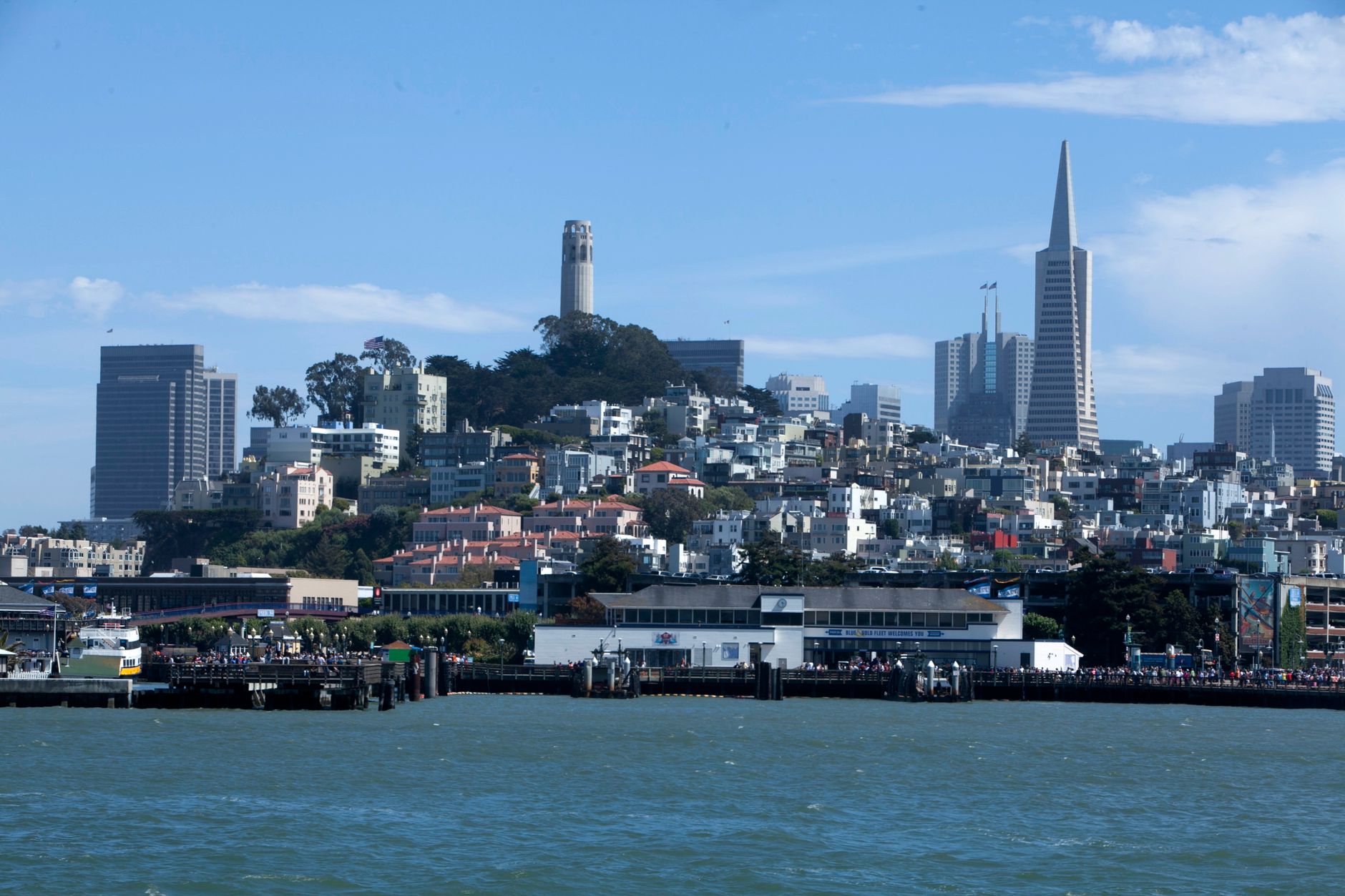
Fleet Options
Choosing the right vehicle on this San Jose to San Francisco lane starts with headcount, luggage, and how much time the vehicle has to sit at the curb. A compact mini bus can be the right answer for a short corporate transfer, while a full motor coach is better for band gear, sports bags, or a group that wants aisle space and restroom access. Executive Sprinters work well for small teams that want a cleaner arrival profile, but they are less forgiving if everyone shows up with carry-ons and garment bags. San Francisco curb space is tight enough that longer vehicles need a cleaner staging plan than a basic hotel pickup. For any long-haul style day with multiple stops, the operator should think about turning radius, loading time, and whether the return deadhead is worth keeping the same coach on the job.
| Vehicle | Seats | Best For | Notes |
|---|---|---|---|
| Executive Sprinter | 8-14 | Use this for VIP airport transfers, small corporate teams, or short point-to-point moves with light bags. | Best for small groups with limited luggage and a need for a quieter, more private ride. It fits tighter loading zones in San Jose and can be easier to place at busy San Francisco hotel curbs. |
| Mini bus | 15-28 | Use this for shuttles, rehearsal runs, small wedding blocks, and short long-haul style hops with modest gear. | A practical middle option when the group is too large for a van but does not need a full motor coach. Cargo is decent for day bags, but heavy luggage stacks up fast. |
| Mini coach | 24-38 | Use this when the group wants one vehicle, more legroom, and a cleaner fit at San Jose hotels or San Francisco venues. | A strong fit for corporate roadshows, university groups, and small sports trips that need more comfort than a shuttle. It gives better bag space than a Sprinter and is easier to place than a full-size coach. |
| Motor coach | 40-56 | Use this for band tours, larger corporate groups, team travel, and reunion or wedding groups that need maximum capacity. | The standard choice when the group has full luggage, instruments, or sports equipment and expects a true charter bus setup. The larger footprint takes more curb control and careful staging, especially in San Francisco. |
Routing, Timing, and On-the-Road Realities
Most San Jose to San Francisco routing starts by getting the vehicle out of the pickup area without fighting local congestion. If the group is downtown, around a hotel, or coming from a corporate campus in Cupertino or Mountain View, the staging point should be chosen with enough room for a motor coach to load without blocking traffic. US-101 is the standard corridor for the direct northbound push, and I-880 can be part of the staging sequence if the pickup is better reached from the East Bay or South Bay grid. On event days, the most important issue is not route selection but departure timing, because a twenty-minute delay in San Jose can become a much larger curb problem in San Francisco. Venues in San Francisco often want a fixed drop-off window, not a vehicle that arrives early and idles. Drivers also need clear instructions on whether they are staying on-site, relocating to bus parking, or returning later for a second move. For this kind of charter bus work, the dispatcher should assume that the streets near the destination will be busier than the map makes them look.
Driver-hours planning is usually straightforward on this corridor because the line-haul itself is short, but the overall duty day still has to be managed carefully. A passenger-carrying driver may drive up to 10 hours after 8 consecutive hours off duty, and may not drive after 15 hours on duty in that same cycle. That means a San Jose to San Francisco charter bus can be folded into a full event day, but the carrier has to account for staging, waiting, return deadhead, and any later shuttle work. The 60-hour and 70-hour weekly limits still matter if the same driver is working a string of Bay Area assignments. For a band tour or corporate roadshow, the driver may start with a San Jose pickup, wait through the event, then return or reposition later, so the duty clock matters more than the drive clock. In San Francisco, parking and turnaround time are often the hidden variables because a coach may need to leave the curb and stage somewhere legal until the group is ready. Good long-haul planning here means building in slack so the vehicle does not miss a load-out or violate hours when the day runs long.
What This Typically Costs
Pricing on a San Jose to San Francisco charter bus usually starts with a minimum hourly or daily charter, then adds deadhead if the coach must stage in from outside the Bay Area, tolls, parking, and any overnight driver lodging if the itinerary turns into a true multi-day run. In most markets, a same-day round-trip on this corridor prices very differently from a one-way drop because the return deadhead still has to be covered, even if the group rides only once. A compact mini bus or shuttle-style vehicle is often the lower-cost fit for a short San Jose to San Francisco transfer, while a full motor coach is common when luggage, instruments, or team gear are involved. Peak dates around conventions, 49ers or Giants games, major concerts, graduation weekends, and wedding seasons can push rates up because equipment and driver supply tighten. Add-ons often show up as fuel adjustments, parking permits, venue loading fees, and driver gratuity. For planning purposes, the cleanest quote usually comes from exact pickup and drop-off addresses, the full schedule, and whether the charter bus needs to stay with the group or come back later.
Frequently Asked Questions
Is a one-way charter bus cheaper than round-trip?
For a simple same-day transfer, most groups use a point-to-point charter bus with a flat minimum or hourly structure, while a round-trip quote includes the return waiting time or the second leg back to San Jose. If the bus is only dropping in San Francisco and not staying, pricing often reflects deadhead back to the origin or the next assignment. Round-trip is usually better when the same vehicle and driver can stay on one manifest all day. One-way can work well for relocations, but the fleet manager still has to account for empty miles and driver hours.
How do DOT driver-hours rules affect this trip?
The core passenger-carrier rules are strict: a driver may drive up to 10 hours after 8 consecutive hours off duty, and may not drive after 15 hours on duty following that rest period. A carrier also cannot permit driving after 60 hours on duty in 7 consecutive days or 70 hours in 8 consecutive days, depending on whether it runs every day. This San Jose to San Francisco run is short enough that it usually fits easily inside the daily driving window. The real planning issue is not the line-haul time, but whether the driver is stacking airport transfers, roadshows, or late-night event work around the same day.
What works best for a corporate roadshow?
For a corporate roadshow, the cleanest setup is usually a motor coach or executive Sprinter with early pickup, luggage room, and a timed curb window at each stop. San Jose campus pickups often work best at a lobby curb, a fenced visitor lot, or a pre-arranged loading zone rather than an open street. In San Francisco, curb control matters more because congestion, buses, ride-hail, and event traffic can block a loose drop-off plan. A dispatcher will usually build slack into the schedule so the group is not eating into meeting time while the coach circles for access.
How do you handle band or tour travel?
Band tours usually need underfloor storage, overhead space, and a driver who understands late load-ins and night moves. The usual pattern is a charter bus or motor coach for people plus a second vehicle or trailer plan for instruments and cases if the production is heavier. San Francisco venues and hotel loading zones can be tight, so the coach often stages away from the main curb until call time. If the group is moving between San Jose rehearsal space and a San Francisco venue, build extra time for soundcheck, parking, and post-show pickup congestion.
What is the best vehicle for a sports team?
Sports teams usually want one vehicle that handles players, staff, and gear without splitting the group. A full motor coach fits best when there are duffels, coolers, training bags, and maybe a small equipment rack, while a mini coach can work for smaller rosters or support staff. Pickup in San Jose is often easiest at a hotel motor court, sports complex, or school lot with enough turning room for a long vehicle. In San Francisco, venue operations need to know the coach length ahead of time because curb space at stadiums, arenas, and downtown hotels can disappear fast.
Is a charter bus good for wedding guests?
Wedding block transport on this corridor usually works as a shuttle move rather than a full long-haul charter, but the same motor coach planning rules still apply if the guest count is high. Couples commonly use a smaller charter bus or minibus for hotel-to-ceremony and reception shuttles, especially when parking at the San Francisco venue is limited. In San Jose, hotel pick-ups are straightforward if the venue can stage near a ballroom entrance or valet lane. In San Francisco, the key is a timed loop and a loading plan, because a motor coach that sits too long at the curb can create immediate traffic problems.
What about family reunions or sightseeing groups?
Family reunion groups usually want luggage space, easy boarding, and one vehicle that keeps everyone together between San Jose and San Francisco. A charter bus or motor coach is common when grandparents, kids, coolers, and strollers are all coming along, while a mini bus can be enough for a tighter headcount. These trips often start at a Downtown San Jose hotel, a suburban pickup in Cupertino or Mountain View, or sometimes a coordinated airport-area meet point. The biggest operational benefit is simple: one manifest, one vehicle, one driver, and no parking hunt in the city.
How to Book
To get a usable quote, have the pickup address, drop-off address, dates, headcount, luggage estimate, and full itinerary ready before you call. The fastest responses come when the request includes whether the charter bus needs to wait, return later, or reposition between San Jose and San Francisco. Most clean quotes can be turned within 4 business hours once the routing, vehicle type, and timing are clear. The confirmation should spell out vehicle class, pickup window, driver plan, deadhead assumptions, and any parking or toll notes. For bookings and dispatch follow-up, send the itinerary with the group size and preferred San Jose pickup point.
Related Trips You Might Also Consider
- Robotics Competition — Southeast Region
- Tulsa, OK to Kansas City, MO
- Washington DC, DC to Philadelphia, PA
- Dance Competition — Midwest Region
- Philadelphia Historic — 24-Passenger Mini Bus
- Houston, TX to San Antonio, TX
- All Group Tour Destinations
- All Group Trip Types
- See the Full Fleet (Sprinters through 56-pax coaches)
- Get a Free Quote in 60 Seconds