
A Death Valley group tour works best when the vehicle, hotel staging, and park stops are planned as one operation.
Overview
A Death Valley group tour is usually built around a three- to five-day window rather than a rushed day trip, particularly when the group starts outside Las Vegas. Las Vegas is the common staging point for western national-park circuits, while Los Angeles, San Diego, Phoenix, and Bakersfield departures require more attention to travel-day length. Day one often covers pickup, a controlled highway run, a fuel and meal stop, and an arrival stop near Furnace Creek or the selected lodging base. The first park stops may include the Furnace Creek Visitor Center, Zabriskie Point, or a short Badwater Basin visit if arrival time and daylight support it. A 36-Passenger Mini Coach gives a medium group better comfort and baggage handling than vans, but it does not turn remote desert roads into an urban sightseeing route. Every stop should be checked for legal coach parking, restroom access, walking distance, and a safe place to reload passengers.
The best operating season for a Death Valley group tour is generally late October through April, when valley-floor conditions are more suitable for walking and outdoor stops. November through February is often the most manageable period for daytime sightseeing, while March and April can bring stronger demand from spring breaks, wildflower travelers, and organized tour programs. May through September can expose passengers and drivers to dangerous heat at low elevations, so summer programs need early departures, shorter walks, more onboard water planning, and backup indoor or hotel time. The park is large, and conditions can differ between Furnace Creek, Stovepipe Wells, higher elevations, and remote corridors. Use current park alerts and road conditions before dispatch, because flooding, heat, construction, and washouts can change the legal or sensible route. A group should not be promised Titus Canyon, a backcountry loop, or any narrow scenic road until the park and carrier confirm access.
For lodging, Furnace Creek is the most efficient in-park base for central attractions, but room inventory and coach parking are limited and should be secured early. Pahrump is a common Nevada-side staging option for Las Vegas departures, while Beatty can work for groups approaching from the east or for itineraries emphasizing the northern and central valley. Stovepipe Wells may reduce backtracking to Mesquite Flat Sand Dunes, but the property and coach access must be confirmed rather than assumed. Hotels outside the park can lower room costs while adding daily deadhead, fuel, and driver-duty time. A multi-day booking should reserve a driver room at each overnight location and identify where the 36-Passenger Mini Coach will sit overnight. Campground plans need even more scrutiny because group sites, vehicle counts, pavement, and access rules vary.
Fleet Options
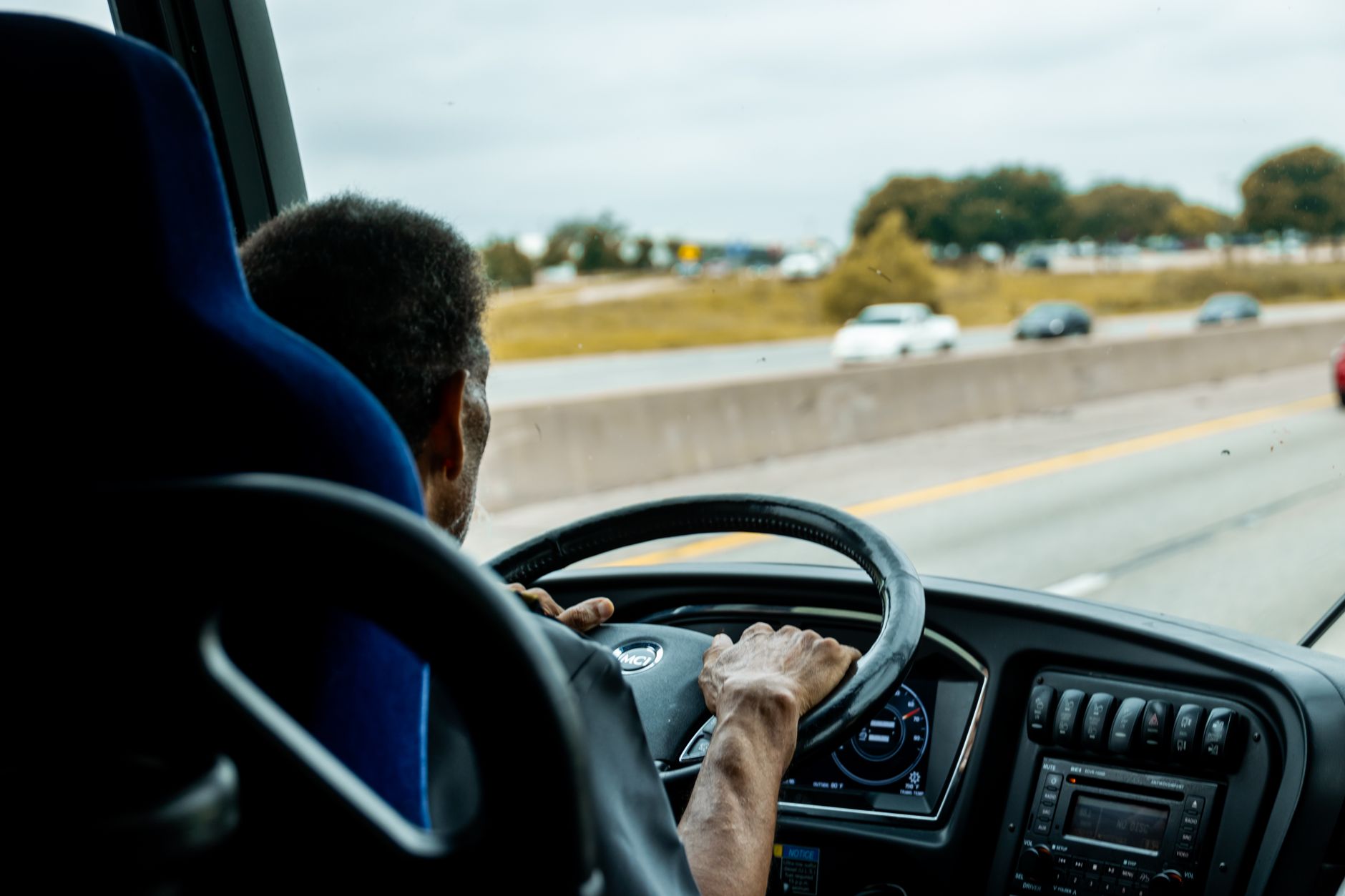
The 36-Passenger Mini Coach is the normal starting point for a group tour with roughly 25 to 36 travelers, especially when a full-size motor coach would be too large for the itinerary. It provides a high floor, coach-style seats, luggage bays, and better ride comfort than a shuttle van, while preserving a smaller footprint for hotel approaches and valley-floor parking. Luggage volume matters: a weeklong trip, coolers, camera cases, and mobility equipment can reduce the practical passenger count. Before assigning it to Death Valley, confirm overall length and width because the park has narrow-road restrictions and some attractions require a smaller vehicle or a scenic-stop substitution.
| Vehicle | Seats | Best For | Notes |
|---|---|---|---|
| 36-Passenger Mini Coach | 25-36 passengers | Best for a medium group with substantial luggage that needs a comfortable multi-day motor coach without a full-size coach footprint. | High-floor coach with coach-style seating and luggage bays; verify dimensions against Death Valley restricted roads before promising every attraction. |
| 24-Passenger Mini Bus | 18-24 passengers | Fits a smaller group or a 36-person roster that can split vehicles for restricted-road access and flexible sightseeing. | Smaller body is easier at tight hotel approaches and limited pullouts, but cargo capacity and seat spacing are usually less generous for extended tours. |
| 56-Passenger Motor Coach | 45-56 passengers | Makes sense for a full departure, high luggage volume, or a group that needs spare seats and broad onboard storage. | Largest luggage capacity and strongest long-distance comfort, but turning radius, parking demand, and narrow Death Valley routes require more careful routing. |
| Executive Sprinter | 8-14 passengers | Works for scouting, VIP movement, or a split operation rather than carrying the entire 36-passenger group. | Useful for a small leadership group, airport transfer, or secondary shuttle, but cargo space and aisle comfort are limited for a large multi-day roster. |
Routing, Timing, and On-the-Road Realities
A common three-day routing starts in Las Vegas, runs through Pahrump or another planned fuel stop, enters Death Valley through the appropriate open corridor, and reaches Furnace Creek or Stovepipe Wells with time for a limited first-day stop. Day two can use the main paved valley route for Zabriskie Point, Furnace Creek facilities, Badwater Basin, and selected nearby overlooks, subject to coach dimensions and current road conditions. Artists Drive and Dantes View are not automatic inclusions because the park restricts vehicles over 25 feet long or 9 feet wide on several routes. Day three may cover Mesquite Flat Sand Dunes or a final central-valley stop before returning to Las Vegas or continuing toward California. Los Angeles and San Diego departures may need a first-night stop outside the park, while Phoenix itineraries commonly require an additional overnight or a very early departure. The dispatcher should build fuel, restroom, meal, passenger-count, and heat-management stops into the schedule rather than relying on roadside improvisation.
Traffic is usually less predictable on the approach corridors than inside the park, especially around Las Vegas, Interstate 15, the Las Vegas Strip, Los Angeles freeways, and weekend departure windows. For Las Vegas pickups, early loading away from Strip congestion can protect the first travel block, but hotel curb rules and bus staging must be confirmed property by property. Inside Death Valley, paved-road speed limits and long distances make the schedule slower than a standard map estimate, and a coach needs additional space for turns, unloading, and passenger reboarding. Federal driver-hours planning must account for the pickup, driving, breaks, fuel, sightseeing waits, and hotel arrival; a long same-day approach followed by several park stops may require a night-before arrival or second driver. The commercial operator should verify any Commercial Use Authorization requirements and carry the approved itinerary and insurance documentation. At each venue or overlook, use designated parking and unloading areas, avoid restricted campground access, and maintain a backup plan when lots are full or a road closes.
What This Typically Costs
A Death Valley group tour in a 36-Passenger Mini Coach is usually quoted by operating day, mileage, and the coach's positioning distance from its home market. Most carriers apply a daily minimum, then add mileage or an hourly structure when the itinerary is unusually short or local. Deadhead miles from Las Vegas, Los Angeles, Bakersfield, or another dispatch point can materially change the quote, especially when the motor coach must arrive the night before and return after the group leaves. Seasonal peaks commonly include late fall through early spring, holiday periods, school breaks, and major Las Vegas conventions, while summer may reduce demand but can restrict practical sightseeing. Driver overnight lodging, meals or per diem, fuel adjustments, tolls, park or venue fees, and parking should be separated from the base transportation line. Driver gratuity is commonly handled as a separate customer-paid item, and a multi-day itinerary normally requires a driver room at each overnight stop.
Frequently Asked Questions
What are the best months for a Death Valley group tour?The most workable valley-floor season is generally late October through April, with November through February offering the safest conditions for walking stops and outdoor sightseeing. March and April can be busier because of wildflower interest, school travel, and spring-break demand, so lodging and coach availability should be checked early. May through September brings extreme heat at low elevations, which can force shorter stops, early starts, indoor breaks, and itinerary changes. Weather and road conditions can vary across the park, so the dispatcher should verify current conditions shortly before departure rather than relying on a seasonal assumption.
A 36-Passenger Mini Coach fits a medium group that has outgrown vans or 24-seat minibuses but does not need a full-size 56-passenger motor coach. It is a high-floor vehicle with coach-style seats and luggage bays, making it suitable for adult tours, alumni groups, church trips, wedding guests, and agency-operated sightseeing. The usable passenger count depends on luggage volume, coolers, mobility equipment, and whether the group wants spare seats. For Death Valley, confirm the exact coach dimensions before booking because park roads have restrictions for vehicles over 25 feet long or 9 feet wide on routes including Artists Drive, Dantes View, Emigrant Canyon, Lower Wildrose, and Twenty Mule Team Canyon.
Can a 36-Passenger Mini Coach drive to every Death Valley attraction?No. Death Valley National Park restricts vehicles over 25 feet in total length or 9 feet in width on several narrow roads, including Artists Drive, Dantes View Road, Emigrant Canyon Road, Lower Wildrose Road, and Twenty Mule Team Canyon. A 36-Passenger Mini Coach may be able to use the principal paved corridors, but the exact vehicle must be checked against the park's current restrictions and road conditions. Build the tour around accessible pullouts and use smaller local transportation only if a specific restricted attraction is essential. Never promise a full loop, backcountry road, or narrow scenic spur before the carrier verifies dimensions, clearance, turning space, and current closures.
How long should a multi-day Death Valley itinerary be?A practical group tour is usually three to five days, depending on the starting city and whether Las Vegas, Los Angeles, or another destination is part of the program. A Las Vegas departure can work as a three-day trip with arrival sightseeing on day one, a full park day on day two, and a return or onward transfer on day three. Los Angeles, San Diego, Phoenix, and Bay Area departures often need an additional travel day or a carefully limited park schedule. A longer multi-day plan allows Badwater Basin, Furnace Creek, Zabriskie Point, Dante's View where vehicle access permits, Stovepipe Wells, Mesquite Flat Sand Dunes, and a second overnight without forcing the driver into an excessive duty day.
Where should a group stay when touring Death Valley?Furnace Creek is the most practical in-park staging area because it places the group near the visitor center, Badwater Basin corridor, Golden Canyon, Zabriskie Point, and central park services. Furnace Creek lodging and campground inventory is limited, so groups often stage in Pahrump, Beatty, or Las Vegas when in-park rooms are unavailable. Stovepipe Wells can reduce backtracking for Mesquite Flat Sand Dunes and the western valley, but inventory and coach access must be confirmed directly. For a 36-Passenger Mini Coach, verify a legal bus pull-up, unloading area, driver room, luggage handling, and a parking plan rather than assuming a property can accept a large vehicle.
Does a commercial motor coach need a permit for Death Valley National Park?Commercial operators should contact Death Valley National Park about a Commercial Use Authorization before operating a paid tour, because commercial activity is managed separately from ordinary visitor entry. Permit requirements, fees, insurance, reporting, and operating conditions can depend on the service and itinerary. Oversize routing rules still apply even when the operator has authorization. The trip planner should keep the park contact, carrier documentation, vehicle dimensions, and proposed stops in the file and confirm requirements directly before the multi-day departure.
What should passengers bring for a Death Valley coach tour?Passengers should carry water, sun protection, layered clothing, sturdy walking shoes, medication, and a small day bag that stays with them rather than placing every item in the luggage bay. The coach can provide climate control and underfloor storage, but passengers should not depend on frequent retail stops inside the park. Remote areas may have limited cellular service, shade, food, and restroom access, so the tour manager should announce the next planned facility before leaving each stop. Guests should also follow the guide's instructions about heat exposure and remain with the group at designated pullouts.
How are driver hours handled on a Death Valley group tour?The carrier must plan the run under the applicable federal hours-of-service rules, including driving limits, on-duty limits, required breaks, and a qualifying off-duty period. A long pickup from Los Angeles or Phoenix followed by afternoon park sightseeing can consume more duty time than customers expect, even if the map distance looks manageable. A driver may need to arrive the night before, overnight with the group, or use a second driver for a compressed schedule. Heat, slow park roads, passenger loading, fuel stops, meal breaks, and remote-road contingencies also count in operational planning. The itinerary should show realistic departure, stop, and hotel times instead of treating the coach as available continuously.
Can the coach park at every Death Valley campground and trailhead?No. Parking and turning space vary by stop, and campground group sites may limit vehicle counts or prohibit driving into the site itself. The park's commercial conditions should be reviewed for bus parking, passenger unloading, idling, and approved routes before the trip is finalized. Plan short, controlled unloads at established pullouts and keep the motor coach out of restricted lanes, tent-only areas, and road shoulders. For popular overlooks and visitor areas, arrive early, allow extra time for a legal bus position, and have a backup stop if passenger vehicles fill the lot.
What information does US Bus Trips need to quote this trip?Provide travel dates, pickup address, passenger count, luggage estimate, vehicle preferences, overnight cities, desired park stops, and whether the group is returning to the origin or continuing elsewhere. Include hotel names, event times, mobility needs, meal stops, and any fixed venue reservations because these details affect duty time and parking. A quote commonly returns within 4 business hours when the itinerary is complete, although remote routing and seasonal availability may require carrier confirmation. The confirmation should identify the vehicle class, operating schedule, included mileage or hours, driver lodging responsibility, cancellation terms, fees, and contact procedures for trip day.
How to Book
To book, send the travel dates, pickup address, passenger count, luggage estimate, desired Death Valley stops, overnight cities, hotel information, and final drop-off location. Include fixed arrival times, mobility needs, meal plans, and whether the group needs an in-park overnight or will stage in Pahrump, Beatty, or Las Vegas. US Bus Trips can generally return a realistic quote within 4 business hours when the itinerary is complete, subject to carrier and vehicle availability. Confirmation should cover the assigned vehicle class, schedule, mileage or hours, driver lodging, fees, cancellation terms, and trip-day contact information.
Related Trips You Might Also Consider
- College Band Tour — Mountain West Region
- Savannah — 24-Passenger Mini Bus
- Baltimore, MD to Washington DC, DC
- Sports Team Travel — Pacific Region
- Family Reunion — Southeast Region
- Denver, CO to Colorado Springs, CO
- Cross-Country Charter Bus Overview
- All Group Trip Types
- See the Full Fleet (Sprinters through 56-pax coaches)
- Get a Free Quote in 60 Seconds