
A 24-Passenger Mini Bus is a practical fit for small tour groups, executive retreats, alumni programs, and first-class-only travelers visiting Mammoth Cave.
Overview
A Mammoth Cave group tour usually starts with the origin corridor, not the park gate. From Louisville or Nashville, a three-day program is often workable, while Chicago, St. Louis, Atlanta, Cincinnati, or the Northeast may require an additional travel day. The 24-Passenger Mini Bus suits groups that want one vehicle for hotel transfers, meals, and timed cave tours without filling a 56-seat motor coach. Typical customers include alumni associations, church groups, corporate retreats, family reunions, and specialty tour operators. The first planning question is luggage: a compact mini bus may have a rear bay or roof storage, but neither should be assumed without the carrier's equipment sheet. The second is whether the group wants a local sightseeing day after a long inbound drive, because driver duty time may rule out an ambitious arrival-day program.
Mammoth Cave National Park is built around timed cave tours, the visitor center, surface trails, and the Green River setting rather than a single drive-up attraction. Cave-tour reservations should be matched to bus arrival, restroom time, ticket check-in, and the walk or transfer to the cave entrance. A realistic Day 1 from a nearby origin includes an early pickup, a planned fuel and meal stop, hotel check-in, and only a short evening activity. Day 2 can place the main Mammoth Cave tour in the morning, lunch near the park or in Cave City, and a moderate surface program afterward. Day 3 can add a second cave experience or nearby attraction before the return drive. The schedule should leave room for thunderstorms, wet spring trails, wildlife, bicyclists, pedestrians, and slower boarding at every stop.
For lodging, the Lodge at Mammoth Cave is the most convenient in-park staging option when rooms or cabins are available, but inventory and services vary by season. Cave City is the usual practical base for highway access, restaurants, fuel, and multiple hotel choices, while Bowling Green gives larger groups more full-service inventory and can absorb overflow. Brownsville is useful for a shorter approach to some park activities but has fewer group-service options. A hotel contract should confirm bus parking, turning clearance, breakfast timing, driver lodging, and whether the property can handle a late return. Spring brings more rain, summer brings heat, humidity, thunderstorms, and busy visitation, and fall generally offers cooler, drier conditions. Winter is quieter but can bring ice, reduced lodge services, and temporary operating delays, so it is better for flexible groups than tightly timed programs.
Fleet Options
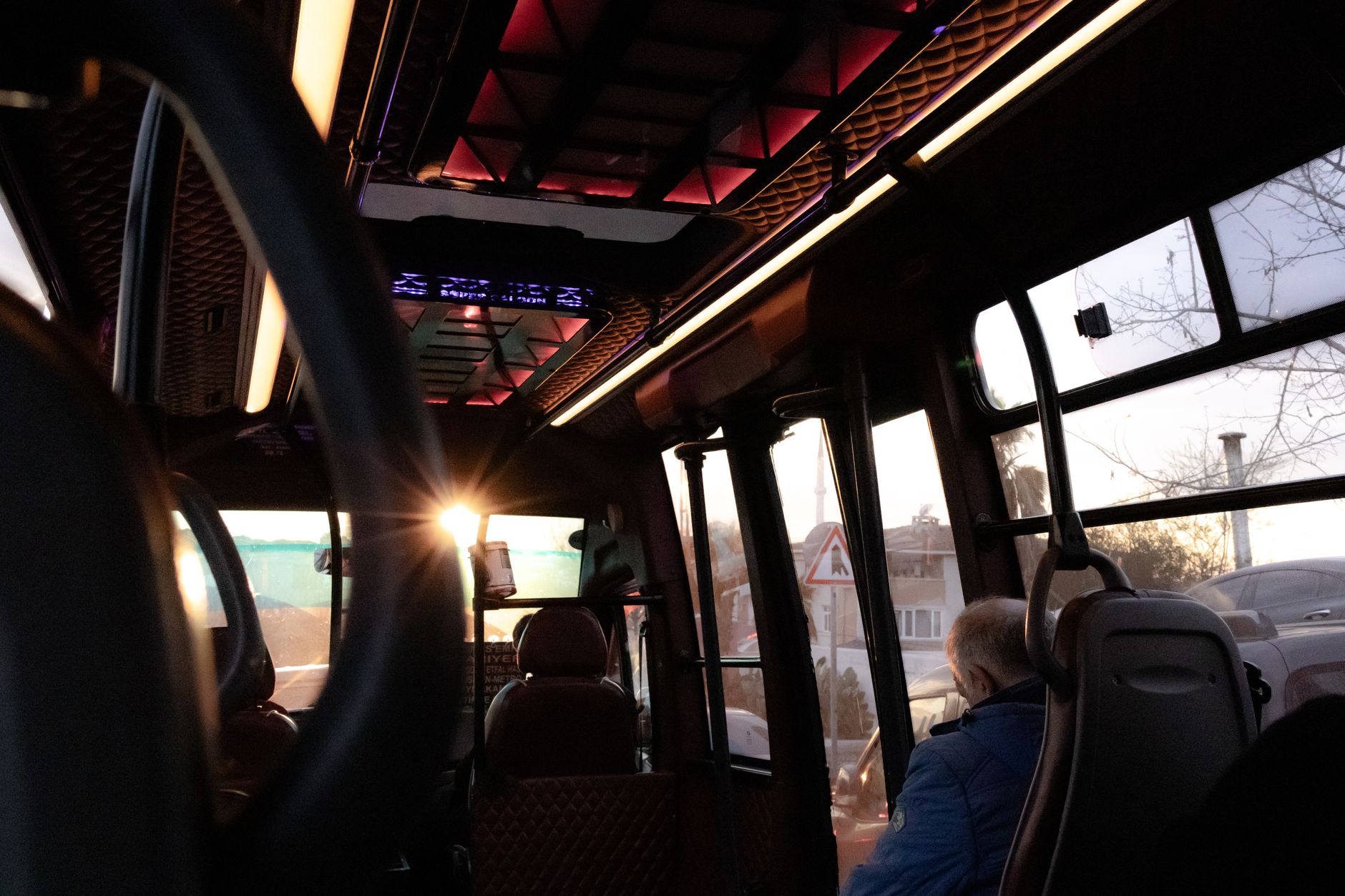
A 24-Passenger Mini Bus fits a compact group tour that wants coach-style seats without moving into a full-size motor coach. It works well for 18 to 24 passengers, especially executive retreats, first-class-only groups, school or alumni tours with controlled luggage, and family programs. Confirm rear-bay or roof luggage capacity before accepting large suitcases, coolers, mobility equipment, or camping gear. The smaller footprint helps at hotels and regional attractions, but Mammoth Cave still requires a deliberate parking and routing plan because secondary roads, ferry approaches, and visitor-center circulation are not interchangeable.
| Vehicle | Seats | Best For | Notes |
|---|---|---|---|
| 24-Passenger Mini Bus | 18-24 passengers | Best for a 24-passenger group tour with moderate luggage, executive retreats, or first-class-only travelers who want one compact vehicle. | Coach-style seating with rear or roof luggage depending on the unit; a practical compact footprint for Cave City hotels and a controlled small-group program. |
| 28-35 Passenger Mini Coach | 25-35 passengers | Use when the headcount may exceed 24 or the group needs extra seat inventory for guides and luggage without a full motor coach. | Adds seat capacity and often more cargo flexibility, but still needs verified clearance, turning space, and venue parking before the route is published. |
| 40-56 Passenger Motor Coach | 36-56 passengers | Best for a larger multi-day tour, multiple school groups, or a long-distance origin where passenger comfort and luggage capacity outweigh compact access. | Provides underfloor luggage and restroom options on some units, though the larger turning radius makes hotel approaches, ferry areas, and small attractions more restrictive. |
| Executive Sprinter Van | 8-14 passengers | Choose this for an executive retreat or split movement when the party is materially smaller than 24 and direct hotel-to-venue service matters. | Comfortable for a smaller VIP group with limited luggage, but cargo space becomes restrictive when every passenger brings a full-size suitcase. |
Routing, Timing, and On-the-Road Realities
The normal approach depends on the origin, but US groups commonly use I-65 through Louisville or Nashville, I-64 and I-65 combinations from the Midwest, and I-24 or I-65 from Tennessee and the Southeast. From Louisville, plan the pickup around morning commuter traffic and protect time for the I-65 southbound corridor. From Nashville, an early departure helps avoid urban congestion and leaves room for a controlled lunch stop before Cave City. From Cincinnati, Indianapolis, or St. Louis, the inbound run can consume most of the driver's day, so arrival should be treated as a hotel transfer rather than a full park visit. Avoid promising a late-afternoon cave tour after a long interstate leg unless the tickets and duty log support it. Build fuel and restroom stops around a 24-passenger load, because boarding takes longer than a private car stop. Confirm the bus's final approach with the carrier and park before adding a ferry, campground road, or trailhead.
Inside Mammoth Cave, use the main park roads and designated visitor-center circulation rather than improvising at secondary roads. The National Park Service states that there are no size restrictions for buses on the main park roads, but trailers and RVs may have difficulty at the Green River Ferry and on park secondary roads. The park also states that commercial vehicles are prohibited on park roads, so the operator must clarify the current application to the planned charter service and parking arrangement before dispatch. Special-use requests involving buses or oversized vehicles may require a parking plan and vehicle details. Schedule arrival well ahead of the cave-tour time, especially on weekends, school breaks, and October dates. For a multi-day motor coach itinerary, place the driver on a legal overnight rest schedule and do not use the bus as a substitute for reserved in-park parking or permission.
What This Typically Costs
A Mammoth Cave group tour in a 24-Passenger Mini Bus is priced from several moving parts rather than one flat fare. In most markets, the carrier applies a daily minimum, then calculates route miles, operating days, and any deadhead from the vehicle's home base to the pickup and back. A multi-day run commonly adds driver lodging, meals or per diem, and a second-driver requirement when the schedule exceeds legal driving limits. Seasonal peaks around spring break, May through October, fall-color weekends, and major Kentucky events can tighten supply and raise the rate. Ask for fuel adjustments, tolls, parking, cave-tour admissions, lodging, and driver gratuity as separate line items. A typical quote may run a few thousand dollars per operating day before admissions and lodging, with the final range depending heavily on origin, mileage, date, and whether the bus returns empty between service days.
Frequently Asked Questions
Can a 24-Passenger Mini Bus take our group directly to Mammoth Cave tours?
Yes, but cave-tour tickets are separate from transportation and should be reserved before the bus is dispatched. Mammoth Cave tours have timed capacity, and the group must arrive early enough for check-in, restrooms, and the required transfer to the cave entrance where applicable. Build a buffer for boarding and walking rather than scheduling the bus to arrive at the exact tour start. The park's visitor center and tour calendar should control the day's departure time.
What are the best months for a Mammoth Cave group tour?
The best operating window is generally April through October, with spring greenery, summer programming, and comfortable fall hiking conditions. May, summer weekends, and October can be busy, so cave tours, lodging, and bus parking need early coordination. Fall is often easier for surface touring because temperatures moderate and humidity declines. Winter can work for a quieter cave visit, but reduced lodge services, cold weather, possible ice, and temporary road delays require a more conservative schedule.
How many days should a Mammoth Cave group tour take?
A practical trip length is three days for an origin within a half-day drive, while distant groups should plan four or five days. Day 1 covers pickup, highway travel, meal and fuel stops, then a low-pressure evening near Cave City, Brownsville, or Bowling Green. Day 2 can combine a timed cave tour with the visitor center, Green River Ferry area if suitable, and a short surface trail. Day 3 may add another cave tour, Diamond Caverns or a regional attraction, then begin the return leg. Longer multi-day programs can include Louisville, Nashville, or Abraham Lincoln Birthplace National Historical Park, but each addition increases driver hours and deadhead exposure.
Is a 24-Passenger Mini Bus suitable for Mammoth Cave roads?
A 24-Passenger Mini Bus is a strong fit for 18 to 24 travelers with compact luggage, coach-style seats, and a preference for one vehicle. Confirm whether the selected unit has a rear luggage bay or roof storage because cargo capacity varies by carrier and body style. The vehicle can use the main park roads, but a bus may have difficulty on secondary roads or at the Green River Ferry. Commercial vehicles are prohibited on park roads under the National Park Service directions, so the carrier must confirm how the planned service is classified and where loading, parking, and transfers occur before travel.
Do buses need a permit or special parking plan at Mammoth Cave?
The park states that buses are allowed on the main park roads without a size restriction, but trailers and larger vehicles may encounter trouble at the Green River Ferry and on secondary roads. Avoid routing a motor coach or mini bus through an unverified ferry movement, narrow trailhead approach, or event staging area. Standard parking is not the same as a reserved group-use space, and a special-use request can require a vehicle and parking plan. The carrier should confirm the current park direction, vehicle classification, and exact parking plan with Mammoth Cave National Park before the itinerary is finalized.
Where should a group stay for a Mammoth Cave visit?
The most convenient staging is the Lodge at Mammoth Cave when rooms and cabins match the group's budget and availability. Cave City is a practical off-park base for motels, restaurants, fuel, and easy access to the park entrance, while Bowling Green offers a broader full-service hotel inventory and is useful for larger tours or overflow nights. Brownsville can reduce the final approach for some programs, but lodging and dining choices are more limited. Keep the bus at a property with adequate turning space, overnight parking, and a driver room rather than assuming every roadside hotel can accept a 24-Passenger Mini Bus.
How do driver-hours rules affect a Mammoth Cave trip?
Federal hours-of-service rules apply to the commercial driver, not simply to the passenger count. A long first day from Chicago, St. Louis, Atlanta, or the Northeast can consume the driver's available driving window before the group reaches Kentucky. Plan legal meal, restroom, fuel, and inspection breaks, and use a relief driver when the itinerary requires extended daily movement. For a multi-day group tour, the cleanest plan is often one driver with a moderate local program after arrival, followed by a second driver or an overnight reset for a long return. The final schedule must be checked against the carrier's logged duty time, not just Google travel time.
How to Book
To price a Mammoth Cave group tour, send the travel dates, pickup address, passenger count, luggage estimate, preferred departure window, and every planned stop. Include whether the group needs Lodge at Mammoth Cave, Cave City, Brownsville, or Bowling Green lodging, plus the cave-tour times if already reserved. US Bus Trips can typically return a quote within 4 business hours, subject to vehicle and driver availability. The confirmation should identify the equipment, operating dates, pickup and drop-off points, mileage assumptions, driver lodging, parking responsibilities, cancellation terms, and any fuel or toll adjustments; call or submit the trip request with those details so dispatch can validate the route.
Related Trips You Might Also Consider
- Shenandoah — 14-Passenger Sprinter
- Non-Profit Fundraiser — Mid-Atlantic Region
- Arches — 14-Passenger Sprinter
- San Diego, CA to Las Vegas, NV
- Olympic — 56-Passenger Motor Coach
- Phoenix, AZ to Las Vegas, NV
- Cross-Country Charter Bus Overview
- All Group Trip Types
- See the Full Fleet (Sprinters through 56-pax coaches)
- Get a Free Quote in 60 Seconds