
A 24-Passenger Mini Bus is a strong fit for a small group tour traveling the North Coast, Humboldt Redwoods, and Redwood National and State Parks.
Overview
A Redwoods group tour is usually planned as a multi-day North Coast operation rather than a simple park transfer. Bay Area and Sacramento groups commonly travel north on Interstate 5 or US 101, with Eureka, Arcata, Fortuna, or Crescent City used as staging points. Portland groups often combine the Oregon Coast with US 101 and need additional days for the longer approach. A typical customer is a family reunion, alumni group, photography tour, corporate retreat, or senior group that wants one vehicle and a consistent driver. The 24-Passenger Mini Bus works especially well when the group values direct loading, reserved seating, and fewer vehicle changes. It becomes less suitable when every passenger brings full-size luggage plus hiking equipment.
A realistic itinerary starts with travel on day 1 and only manageable first stops, such as a coastal overlook, the Avenue of the Giants, or the Redwood National and State Parks visitor facilities near Orick or Crescent City. Days 2 through N can be organized around Jedediah Smith Redwoods, Stout Grove, Prairie Creek, Newton B Drury Scenic Parkway, Fern Canyon, and selected beaches or lighthouses. Tall Trees is not a casual drive-up stop because its access road and reservation process require advance review. Gold Bluffs Beach and Fern Canyon also require attention to seasonal permits and current access conditions. A driver needs a legal place to stage while passengers hike, and a schedule must allow for slow coastal roads, loading time, restroom stops, and weather. Do not promise every named attraction on one day simply because the map shows short distances.
Park and venue rules are part of the booking file, not an afterthought. Redwood National and State Parks identifies free reservations for Tall Trees Trailhead and seasonal reservations for Gold Bluffs Beach Day-use Area, including Fern Canyon, while special-use permits apply to weddings, commercial filming, and certain organized events. Parking areas are limited at popular trailheads, and overnight parking on park roadways or parking areas is generally prohibited. A 24-Passenger Mini Bus should be routed only after checking current restrictions, turnarounds, road surfaces, and whether the assigned vehicle can safely use the approach. Hotels in Eureka, Fortuna, Arcata, and Crescent City should confirm bus parking and a loading zone before the deposit is paid. These checks matter most during summer weekends, school breaks, wedding blocks, and festival periods when local rooms and public parking tighten quickly.
Fleet Options
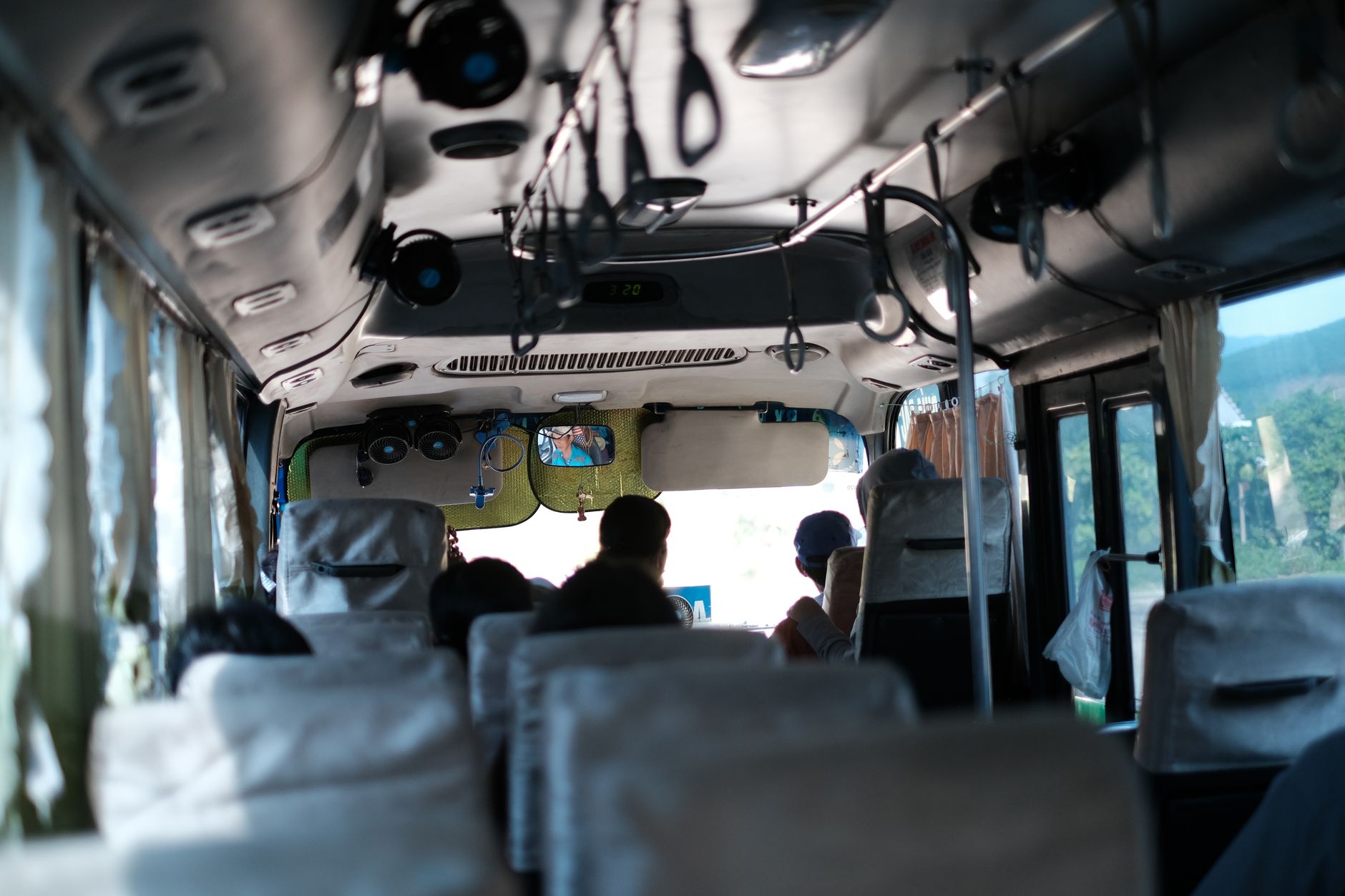
Start with the passenger count, luggage profile, and the narrowest road on the itinerary, not just the number of seats. A 24-Passenger Mini Bus gives a small group tour coach-style seating and easier loading than a full-size motor coach, but 24 travelers with hard-sided luggage may exceed practical cargo capacity. Rear or roof storage is common, so confirm whether the assigned unit has the equipment and weight capacity required for a multi-day trip. A smaller vehicle can simplify hotel approaches and urban parking, but it still needs a legal turnaround and adequate clearance at forest trailheads. For executive groups, comfort and luggage space may justify reducing the booked seat count or moving to a larger motor coach.
| Vehicle | Seats | Best For | Notes |
|---|---|---|---|
| 24-Passenger Mini Bus | Up to 24 passengers | Choose it for a small group tour, executive retreat, or first-class-only group that wants one comfortable vehicle without full-size coach capacity. | Compact mini bus with coach-style seats and rear or roof luggage; best when the full group travels with controlled baggage and the route has reviewed access. |
| 18-Passenger Executive Sprinter | 12-18 passengers | Use it when the headcount is below 18 and the itinerary includes tight urban pickups, boutique lodging, or short forest-road transfers. | More maneuverable for hotel streets and smaller lots, with less cargo and seating margin than a mini bus. |
| 35-40 Passenger Mini Coach | 30-40 passengers | Select it when the group is above 24 or carries substantial multi-day baggage but does not need a large coach. | Adds luggage and seating margin while remaining easier to place than a full-size motor coach, subject to local road review. |
| Motor Coach | 45-56 passengers | Use it for a larger group tour, long approach from major cities, or an event pattern where passengers and luggage must move together. | Best cargo, restroom, and long-distance comfort profile, but it needs wider roads, larger parking areas, and confirmed loading zones. |
Routing, Timing, and On-the-Road Realities
For a Bay Area pickup, the usual northbound spine is I-580, I-5, and US 101, with traffic around the East Bay, Sacramento approaches, and the San Francisco Bay crossings affecting departure time. A pickup before the morning commute is often worth more than trying to recover time later on two-lane coastal segments. Sacramento groups can use I-5 north before joining US 101, while Portland groups generally enter through southern Oregon and should allow for Oregon Coast sightseeing only if the driver schedule supports it. Eureka or Fortuna is a practical first-night staging area for Avenue of the Giants and Humboldt Redwoods State Park; Crescent City is better for the northern park and Jedediah Smith. Hotels should provide a bus-accessible entrance, a legal unloading point, and confirmed overnight parking. A 24-Passenger Mini Bus is easier than a full motor coach in town, but it still cannot stop wherever a passenger requests on US 101.
Inside the parks, build one geographic zone per day instead of crossing the entire region repeatedly. Prairie Creek and Newton B Drury pair naturally with nearby coast and visitor stops, while Jedediah Smith and Stout Grove are better grouped from Crescent City. Treat Tall Trees, Fern Canyon, Gold Bluffs Beach, Howland Hill Road, and Bald Hills Road as separate route-review items because access, permits, road condition, and parking can vary. The motor coach operator should confirm current park notices and identify a legal waiting location before passengers leave the vehicle. The driver must track driving and on-duty time even when the group is hiking, because loading, inspections, repositioning, and standby can count toward the workday. Federal passenger-carrier rules generally allow no more than 10 hours of driving after 8 consecutive hours off duty and no driving after a 15-hour on-duty window, so a late trail exit may require an earlier start, relief driver, or overnight adjustment.
What This Typically Costs
A 24-Passenger Mini Bus Redwoods group tour is usually quoted from a daily vehicle minimum, then adjusted for route miles, operating days, and any repositioning. A multi-day run from San Francisco, Sacramento, Portland, or Southern California can include substantial deadhead miles before pickup and after drop-off, especially when the assigned motor coach is based outside Northern California. Common line items include driver overnight lodging, parking or access fees, fuel adjustments, tolls, and driver gratuity. Seasonal pricing is typically highest from late May through September, around holiday weekends, and during booked-out summer tour periods. In most markets, a multi-day charter commonly runs a few thousand dollars per day before unusual access charges, with the final range driven more by total duty time and mileage than by passenger count alone. Ask whether the quote includes taxes, lodging, fuel, parking, and deadhead so the comparison is operationally meaningful.
Frequently Asked Questions
How many days should a Redwoods group tour take?
A four-day schedule is practical for a San Francisco or Sacramento origin: one travel day north, two full park days, and one return day. From Portland, allow roughly five days because the group must cover the Oregon Coast and long US 101 mileage. From Southern California or Las Vegas, plan six to seven days or use a flight-and-ground combination. A two-day local trip can work from Crescent City or Eureka, but it leaves little room for Fern Canyon, Avenue of the Giants, and weather delays. The right trip length depends on whether the group wants sightseeing between cities or concentrated time inside the parks.
What are the best months for a Redwoods group tour?
The most reliable window is generally May through October, when longer daylight supports trail stops and summer rain is less frequent. July and August offer the most predictable vacation scheduling but also bring the strongest demand, higher lodging pressure, and fuller parking areas. April, May, September, and October can provide better operating conditions for a small group, though fog and rain remain possible. Winter trips are feasible but require flexible plans for wet trails, shorter daylight, storm-related road issues, and seasonal lodging closures. Confirm conditions shortly before departure because coastal weather can change the usable itinerary without changing the forecast for inland pickup cities.
What does a 24-Passenger Mini Bus fit best?
A compact 24-Passenger Mini Bus is well suited to 24 passengers when the group travels light and luggage is limited. It normally provides coach-style seats, with luggage in a rear compartment or roof-mounted carrier depending on the vehicle. The format works well for small tours, executive retreats, and first-class-only groups that want one vehicle without moving a full-size motor coach. It is less forgiving when every passenger brings large checked bags, coolers, camera cases, and hiking equipment. Request a seat count that leaves practical cargo capacity rather than assuming all 24 seats can be used with full multi-day baggage.
Does a bus need permits in Redwood National and State Parks?
Tall Trees Trailhead requires a free reservation, and the access road is narrow, winding, and subject to vehicle suitability and availability constraints. Gold Bluffs Beach Day-use Area and Fern Canyon require a free permit during the designated seasonal period, and conditions can change with road, creek, or weather limitations. Commercial filming, weddings, and certain organized events require separate special-use approval. Most ordinary sightseeing does not automatically require a group-tour permit, but the operator should verify each venue, state park, campground, and private attraction before dispatch. Parking is not guaranteed, overnight roadway or parking-area parking is generally prohibited, and the driver must follow posted restrictions rather than wait informally in a trailhead lane.
Where should a Redwoods group stay?
A practical northbound plan often uses a first-night base in Eureka or Arcata, then shifts to Crescent City for direct access to Jedediah Smith and the northern park. For a longer itinerary, Eureka or Fortuna works well for Avenue of the Giants, Humboldt Redwoods State Park, and coastal stops before moving north. Crescent City is the most useful staging point for Jedediah Smith, Howland Hill Road decisions, and the northern Redwood National Park facilities. Brookings, Oregon can work for Oregon Coast extensions but adds border, lodging, and driver-duty complexity. Book lodging with a bus-accessible entrance, a safe loading area, and confirmed overnight parking rather than relying on a standard hotel lot.
How do driver hours affect a multi-day Redwoods itinerary?
A passenger-carrier driver cannot simply work from dawn until late evening because the schedule has empty sightseeing time. Federal passenger-carrier rules generally limit driving to 10 hours after at least 8 consecutive hours off duty and limit the on-duty window to 15 hours after that rest. California carrier requirements and the carrier's safety program also govern dispatch, records, inspections, and qualified relief. A day with a long approach, multiple trailheads, and a late hotel transfer may require an earlier hotel departure, a second driver, or an overnight reposition. Build the itinerary around legal duty time, not just estimated map time, and leave recovery time after mountain, coastal, or storm-affected segments.
Can a 24-Passenger Mini Bus reach every Redwoods attraction?
A 24-Passenger Mini Bus can use many primary highways, but not every forest road or trailhead approach is appropriate for its length, width, clearance, or turning radius. Treat Bald Hills Road, Tall Trees access, Gold Bluffs Beach, Howland Hill Road, and similar routes as route-review items rather than automatic bus stops. The motor coach operator should check current park notices, road closures, width restrictions, parking availability, and turnaround space before committing. For a large attraction or event, arrange a timed loading plan and a legal staging location instead of blocking a public road. If the route is marginal, the group can use a smaller shuttle or leave the main vehicle at an approved lot, subject to local operator availability.
How to Book
To price the trip, have the pickup address, travel dates, passenger count, baggage estimate, hotel plan, and every intended stop ready. Include whether the group wants Avenue of the Giants, Fern Canyon, Tall Trees, Jedediah Smith, coastal overlooks, or Oregon Coast extensions, because each affects road suitability and duty time. US Bus Trips can typically return a preliminary quote within 4 business hours, subject to vehicle and driver availability. The confirmation should identify the vehicle class, operating dates, pickup and drop-off details, included mileage or deadhead treatment, driver lodging, parking assumptions, cancellation terms, and contact information for dispatch.
Related Trips You Might Also Consider
- Agriculture FFA/4-H — Northeast Region
- Grand Teton — 14-Passenger Sprinter
- Non-Profit Fundraiser — Mountain West Region
- College Band Tour — Northeast Region
- Dance Competition — Mountain West Region
- Grand Canyon — 24-Passenger Mini Bus
- Cross-Country Charter Bus Overview
- All Group Trip Types
- See the Full Fleet (Sprinters through 56-pax coaches)
- Get a Free Quote in 60 Seconds