
This Zion group tour format fits schools, alumni groups, churches, clubs, and corporate teams traveling with one vehicle and overnight luggage.
Overview
A realistic Zion group tour usually starts with a long transfer from Las Vegas, Salt Lake City, Phoenix, Los Angeles, or a Southern California pickup market, followed by two or more operating days near the park. The 36-Passenger Mini Coach is aimed at groups that want one motor coach for luggage, meals, hotel moves, and trailhead access without booking a full 56-passenger unit. Common customers include church travel groups, university alumni, outdoor clubs, wedding parties, corporate retreats, and family reunions. The first operating day should allow for highway traffic, meal stops, restroom breaks, and a controlled hotel unload rather than promising a late afternoon hike. For Las Vegas departures, the normal approach is through I-15 and the St. George corridor, with Springdale or nearby communities used for lodging. Salt Lake City groups commonly use I-15 through Provo, Cedar City, and St. George, while Phoenix and Southern California itineraries need a more conservative arrival window because of metropolitan traffic and long desert stretches.
Zion is not a drive-up sightseeing loop for a 36-passenger motor coach during shuttle season. Zion Canyon Scenic Drive is generally closed to private vehicles while the park shuttle operates, so the group must use an approved staging or loading location and then ride the Zion Canyon shuttle. The National Park Service lists bus or oversize locations at the Zion Canyon Visitor Center, Zion Lodge, the Human History Museum lower bus area, and certain Kolob Canyon locations, subject to current instructions and available space. Parking and stopping on park roads is restricted to designated areas and pull-offs, and shuttle stops are not bus layover areas. A motor coach should never be left blocking a shuttle lane, visitor drop-off, fire access route, or hotel driveway. For a group tour, the guide should carry a written meeting point and a late-hiker procedure because cell service can be inconsistent in canyon areas.
The best multi-day plans separate transfer days from hiking days. A practical four-day example is day 1 pickup in Las Vegas, Salt Lake City, or another origin market, travel through St. George, a meal stop, and hotel check-in in Springdale or a nearby staging town; day 2 early park entry, shuttle access into Zion Canyon, and a controlled return to the hotel. Day 3 can cover another Zion hike or a regional option such as Kolob Canyons, subject to road and group-access conditions, with Bryce Canyon or Cedar Breaks considered only if the driving and driver-hours plan supports it. Day 4 is the return transfer with a scheduled meal and restroom stop, not an open-ended final hike followed by a long interstate run. Longer itineraries can add Bryce Canyon, Page, Kanab, or Las Vegas, but the 36-Passenger Mini Coach must be checked against every mountain road, tunnel, hotel lot, and attraction entrance. Book lodging early for spring weekends, summer, October, school breaks, and event periods, when Springdale rooms and coach parking can disappear well ahead of the bus reservation.
Fleet Options
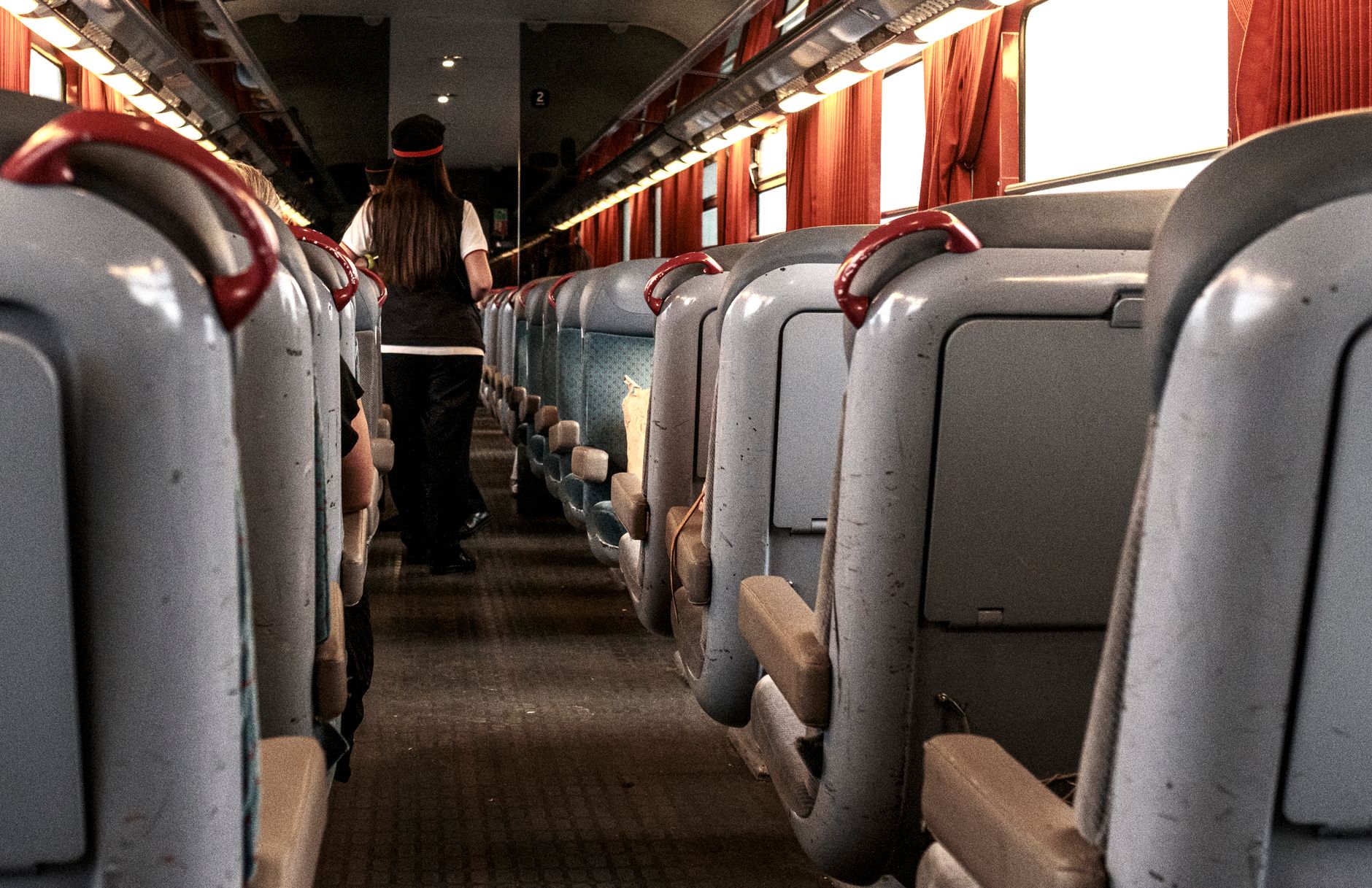
For a 36-passenger group tour, start with the actual headcount, baggage, and route rather than choosing a bus by seat count alone. A 36-Passenger Mini Coach is a mid-size motor coach with a high floor, luggage bays, and coach-style seats, which suits medium groups where a 56 is too large and a 24 is too small. It gives travelers better ride comfort for long corridors from Las Vegas, Salt Lake City, Phoenix, or Southern California while remaining easier to stage at many hotels. It is not automatically suitable for every Zion road: confirm height, width, length, weight, turning clearance, and the park's oversize routing rules before promising the east entrance or tunnel.
| Vehicle | Seats | Best For | Notes |
|---|---|---|---|
| 36-Passenger Mini Coach | Up to 36 passengers | Use it when the group needs a dedicated multi-day vehicle and a full-size coach would be excessive for the lodging lots, parking plan, or road segment. | High-floor motor coach with coach-style seats and underfloor luggage bays; strong fit for a full 36-person group with overnight baggage, subject to Zion road and parking limits. |
| 24-Passenger Mini Coach | 18-24 passengers | Choose it when confirmed attendance is materially below 30 or when a smaller vehicle simplifies hotel staging and local transfers. | More compact than the 36-Passenger Mini Coach but with less luggage and seating capacity; useful when the final count is below the mid-20s and the itinerary includes tighter local access. |
| 56-Passenger Motor Coach | 45-56 passengers | Use it for a high-count group, split-rooming operation, or shared departure where the coach will remain on approved corridors and designated parking areas. | Best luggage volume and aisle space for a large group, but the larger footprint can complicate Zion-area staging, hotel access, and restricted road segments. |
| Executive Sprinter | 10-14 passengers | Use it for a small subgroup, airport transfer, guide team, or overflow movement rather than the primary Zion vehicle. | Comfortable for small leadership groups or a scouting vehicle, but limited luggage capacity and less practical for a 36-person group tour with hiking gear. |
Routing, Timing, and On-the-Road Realities
The main approach corridors are I-15 through St. George, US-89 toward Kanab and Page, and the local UT-9 corridor through Hurricane, La Verkin, Virgin, Springdale, and the park entrance. Las Vegas pickups need a buffer for I-15 congestion, especially around the metropolitan departure, Mesquite, and St. George approaches; early morning departures are easier to protect than midday launches. Salt Lake City departures should account for Wasatch Front traffic and the long distance south before the group reaches Cedar City or St. George. Phoenix and Southern California departures can require a split overnight or a very early start if the group expects a meaningful first-day activity. Schedule fuel and rest stops at locations that can accommodate a 36-Passenger Mini Coach rather than assuming every highway service station can take a large vehicle. In Springdale, use the hotel's pre-approved bus lane or staging area and avoid repeated curb moves that interfere with town traffic and pedestrian crossings.
During shuttle season, the group should plan to park or unload at an authorized area and use the Zion Canyon shuttle rather than attempting to drive the coach onto the Scenic Drive. The park shuttle normally provides frequent service during operating periods, but guests still need time to walk from the bus parking area, queue, board, and regroup at the end of the day. Start early for popular hikes and establish a fixed return deadline that protects the driver's legal hours and the hotel's quiet-hour rules. Zion-Mt. Carmel Highway and its tunnel require a separate vehicle-dimension review; a 36-Passenger Mini Coach may exceed current height, width, length, or weight limits even when it fits comfortably on I-15 and UT-9. Beginning June 7, 2026, the National Park Service plans to enforce existing size and weight limits on the Zion-Mt. Carmel Highway from Canyon Junction to the east entrance. If the coach cannot use that segment, route through approved alternatives or use a smaller support vehicle rather than improvising at the tunnel entrance.
What This Typically Costs
A Zion group tour with a 36-Passenger Mini Coach is normally quoted from a daily vehicle-and-driver rate, a mileage component, or a blended package, depending on the operator and trip length. Multi-day trips commonly carry a daily minimum even when the motor coach is parked for part of a day, while long positioning runs add deadhead miles before pickup and after the final drop. Seasonal peaks, especially spring break, late spring, summer weekends, October foliage travel, and holiday periods, can tighten availability and raise the rate. Budget separately for driver overnight lodging, parking, tolls, park or venue fees, fuel adjustments, and driver gratuity. In most markets, a fully operated multi-day run commonly reaches a few thousand dollars per service day before optional lodging and entrance costs, but the final range depends heavily on origin, mileage, dates, and the number of service days. Ask whether the quote includes a daily mileage allowance, garage-to-garage mileage, cancellation terms, and any required second-driver or relief-driver coverage.
Frequently Asked Questions
How many days should a Zion group tour take?
For a group tour, the practical target is usually at least three days, with four to six days giving the group time for travel, Zion Canyon, and nearby Utah stops without turning every day into a transfer. A one-day visit from Las Vegas, Salt Lake City, or Phoenix is possible but leaves little margin for traffic, meal stops, park entry, and shuttle connections. A 36-Passenger Mini Coach works especially well when the same vehicle remains with the group for a multi-day itinerary. Build extra time around the final return leg rather than promising an exact arrival after a long park day.
What are the best months for a Zion group tour?
The most comfortable planning windows are generally April through May and September through October, when daytime conditions are more manageable than midsummer and hiking demand can still be high. June through August can work, but heat, weekend crowding, limited parking, and early trail starts require tighter dispatching. Winter offers lower demand and occasional road or weather advantages, but daylight is shorter and mountain weather can change quickly. Zion shuttle operations are typically daily from March through November, with holiday service near the end of December, so confirm the operating calendar for the travel year before finalizing the itinerary.
Why use a 36-Passenger Mini Coach for Zion?
A 36-Passenger Mini Coach is a mid-size motor coach with high-floor seating, coach-style seats, and luggage bays, making it a good match for 30 to 36 travelers with overnight bags. It is more manageable than a full-size 56-passenger coach on smaller approach roads and tighter lodging lots, while offering substantially more comfort and cargo capacity than a 24-passenger vehicle. The coach still must follow its measured height, width, length, and weight limits, especially on Zion-Mt. Carmel Highway and near the tunnel. Send the operator the exact vehicle dimensions before confirming any east-side routing.
Does a charter bus need a permit inside Zion?
Commercial traffic on Zion roads requires the appropriate National Park Service Commercial Use Authorization or other valid commercial permission for the operation. The park identifies designated loading and unloading areas, including the Zion Lodge area and the oversize or tour-bus section of the Zion Canyon Visitor Center lot. Vehicles over 19 feet have restricted parking locations, and buses may not continue beyond the Zion Lodge parking area under the park rules. During shuttle season, private vehicles cannot use Zion Canyon Scenic Drive, so the group normally parks or unloads at an approved location and transfers to the park shuttle. The operator should verify current permits, staging instructions, and restrictions before the run.
Can a 36-Passenger Mini Coach drive through the Zion tunnel?
A 36-Passenger Mini Coach should not be routed through Zion-Mt. Carmel Highway or the tunnel until the dispatcher verifies current size and weight restrictions against the actual coach dimensions. The National Park Service has stated that vehicles above listed height or combined length limits are prohibited, and enforcement of existing limits on the Zion-Mt. Carmel Highway is scheduled to begin June 7, 2026. A safer plan is often to stage in Springdale or at the Zion Canyon Visitor Center, then use the park shuttle for Zion Canyon. If the itinerary includes Bryce Canyon, Kanab, Page, or the east entrance, route engineering must account for tunnel limits, grades, escorts if applicable, and alternate roads.
Where should a large group stay near Zion?
Springdale is the usual lodging base because it sits beside the pedestrian entrance and provides access to the Springdale Line and Zion Canyon shuttle connection. Larger groups should reserve a hotel with a confirmed coach loading area, room for an overnight parked vehicle, and a written plan for luggage staging. St. George works as a lower-cost or larger-inventory base for some groups, but the daily transfer adds operating hours and reduces time in the canyon. Virgin, Hurricane, La Verkin, and Cedar City can be useful staging points when Springdale inventory is tight, though each adds corridor mileage. Keep the coach out of narrow hotel lanes when possible and schedule one controlled unload rather than repeated curb stops.
How do driver hours affect a Zion multi-day trip?
A driver may not simply remain on duty through a long arrival day, full park day, and late return without a hours-of-service plan. Federal property-carrying and passenger-carrier rules can apply differently depending on the operation, but the dispatcher still needs to protect driving time, on-duty time, required breaks, and the driver's daily and weekly limits. A typical plan uses one primary driver for moderate daily movement and considers a second driver or relief coverage for long interstate transfers, late-night returns, or consecutive high-demand days. Driver lodging should be close to the coach staging point and secured before dispatch. Build the itinerary around legal hours, not around the maximum time guests want to spend on trail or at dinner.
How to Book
To quote this Zion group tour, have the travel dates, pickup address, final passenger count, luggage estimate, lodging locations, and desired Zion and regional stops ready. Include whether the group needs airport pickup, a hotel shuttle, Bryce Canyon, Las Vegas, Salt Lake City, Page, or a same-day return, because those details drive mileage and driver-hours planning. US Bus Trips can commonly return a workable quote within 4 business hours when the routing and headcount are complete. Confirmation should identify the vehicle class, service dates, pickup and drop-off points, operating hours, included mileage or mileage method, driver lodging responsibility, parking and permit assumptions, cancellation terms, and dispatch contact.
Related Trips You Might Also Consider
- Redwoods — 36-Passenger Mini Coach
- Sequoia — 56-Passenger Motor Coach
- Phoenix, AZ to Las Vegas, NV
- Veterans Group — Midwest Region
- Church Retreat — Southeast Region
- Olympic — 56-Passenger Motor Coach
- Cross-Country Charter Bus Overview
- All Group Trip Types
- See the Full Fleet (Sprinters through 56-pax coaches)
- Get a Free Quote in 60 Seconds