
US Bus Trips arranges Corporate Roadshow transportation for sales teams, incentive programs, and executive off-sites across Washington, Oregon, and Alaska.
Overview
A Pacific Northwest Corporate Roadshow usually moves a sales, marketing, investor, or training team through several markets over consecutive days. The core corridor is I-5 from Seattle through Tacoma and Olympia to Portland, with Salem and Eugene often added for Oregon coverage. Washington programs may include Bellevue, Redmond, Everett, Bellingham, Spokane, Yakima, or the Tri-Cities, while Oregon programs may extend to Bend, Medford, the Columbia River Gorge, or the coast. A typical group ranges from 12 executives in an executive Sprinter to 40 or more employees in a motor coach, with larger launches using several coaches. Stops may include the Seattle Convention Center, Lumen Field, T-Mobile Park, the Oregon Convention Center, Portland Expo Center, hotel ballrooms, campuses, and customer facilities. The schedule should distinguish passenger travel from setup time because product cases, uniforms, audiovisual gear, and registration materials slow every load.
Sales-team incentives and executive off-sites often use a different Pacific Northwest pattern from a conventional convention shuttle. A Portland team may travel through the Columbia River Gorge to Hood River, Mount Hood, the Oregon Coast, or Willamette Valley properties, while Seattle groups may use Bellevue, Woodinville, the San Juan Islands, Whidbey Island, the Olympic Peninsula, or the Cascade foothills. Coastal and mountain routes add scenic value but also introduce two-lane roads, limited coach parking, steep grades, ferry dependencies, and fewer recovery options when a stop runs late. Puget Sound group travel may require a full-size charter bus on a vehicle ferry, with sailing availability and terminal staging treated as schedule constraints. In Alaska, cruise-related work often connects Seattle embarkation or hotel programs with local excursion coaches in Juneau, Anchorage, and other ports. Those assignments require port-specific operating partners, ship departure protection, weather allowances, and clear instructions for mobility devices and excursion equipment.
The customer profile is usually a corporate travel manager, event agency, sales operations lead, executive assistant, or meeting planner coordinating people who cannot arrive separately. They need one manifest, one dispatch channel, reliable hotel and venue loading, and a plan for late flights, changed meeting times, or equipment that arrives after the passengers. Typical cargo includes checked bags, product samples, instruments for a branded activation, uniforms, trade-show cases, golf or outdoor gear, and wheelchairs or scooters. A charter bus may have ample passenger seating but insufficient usable bay space once bulky cases are loaded, so the quote should reflect actual dimensions and whether a second vehicle is needed. Large programs frequently use a lead coach, one or more follow vehicles, and separate airport or equipment movements rather than forcing every passenger and item into one bus. That fleet plan is especially useful at Seattle Convention Center, Oregon Convention Center, cruise terminals, and downtown hotels where curb space is limited.
Fleet Options
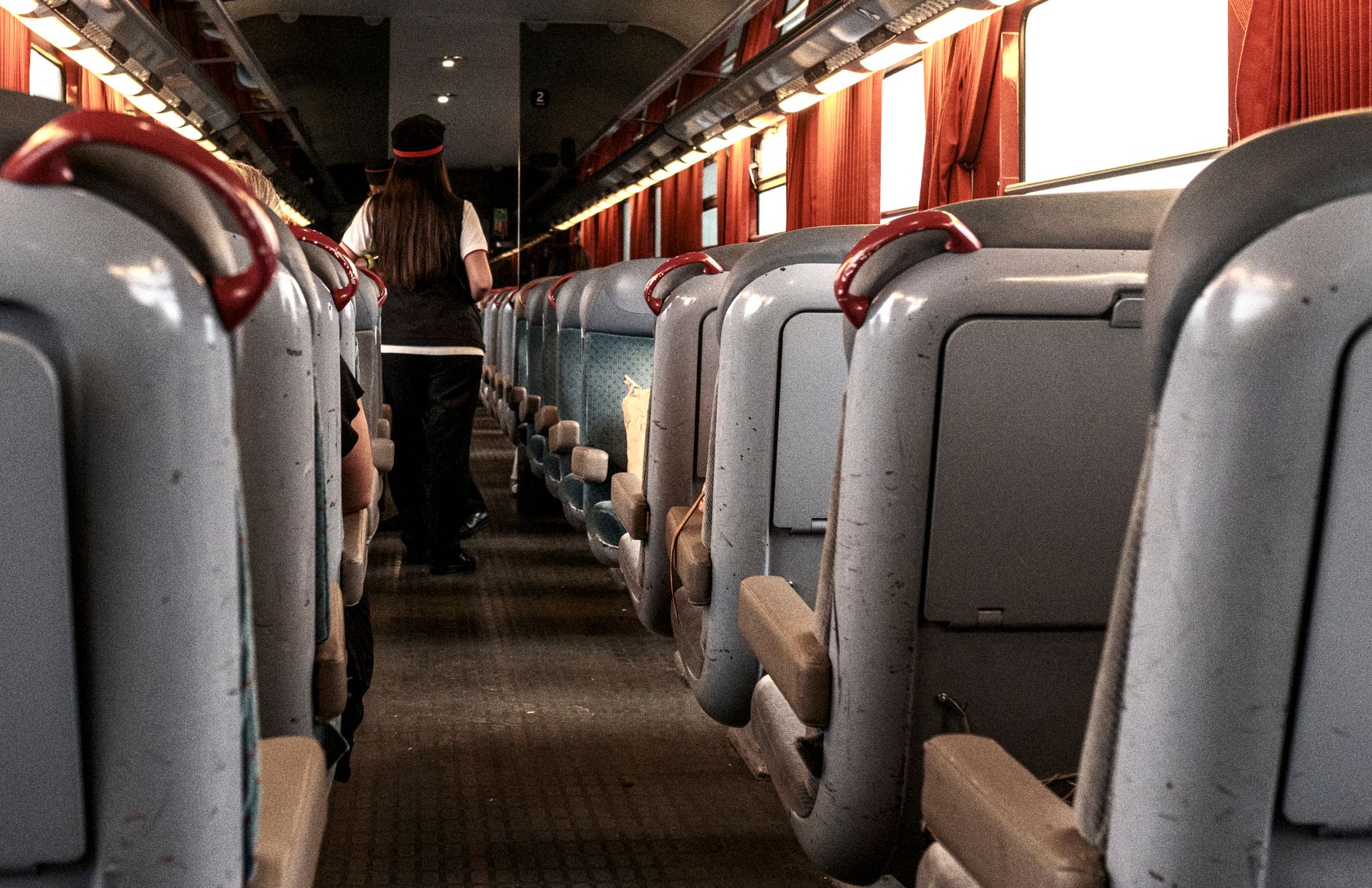
Vehicle selection starts with the real passenger count, but luggage and equipment often determine the final answer. A charter bus or motor coach is efficient for a full sales team moving between Seattle, Portland, and other Pacific Northwest markets, while smaller vehicles work better for executive groups and tight downtown approaches. Confirm hotel loading zones, venue bus parking, ferry dimensions, and mountain or coastal road conditions before locking the fleet. If the group carries cases, uniforms, wheelchairs, or outdoor gear, reserve cargo capacity instead of filling every seat.
| Vehicle | Seats | Best For | Notes |
|---|---|---|---|
| Executive Sprinter van | 8-14 passengers | Fits senior leadership, airport transfers, small incentive groups, and short off-site movements where a full-size bus would be excessive. | Best for compact luggage loads and executive comfort, but cargo space is limited and several vans require coordinated convoy operations. |
| Mini bus | 18- thirty passengers | Fits small sales teams, local shuttles, and split movements between downtown Seattle, Bellevue, Portland, or suburban meeting sites. | Works well on hotel streets and neighborhood venues, with easier parking than a full-size coach but less underfloor storage and ride comfort. |
| Mini coach | thirty- forty passengers | Fits medium roadshow teams, incentive groups, and regional loops with moderate equipment and checked baggage. | Provides more luggage room and highway comfort than a mini bus while remaining easier to stage at smaller venues and coastal properties. |
| Full-size motor coach | forty-five- fifty-six passengers | Fits large Corporate Roadshow movements, convention transfers, multi-day I-5 routes, and groups carrying substantial luggage or gear. | Offers the strongest highway ride, restroom access, and underfloor storage, but needs planned bus parking and more curb space at venues and hotels. |
Routing, Timing, and On-the-Road Realities
The Seattle to Portland corridor is straightforward on paper but can lose time around Seattle, Tacoma, Olympia, Joint Base Lewis-McChord, Vancouver, and Portland approaches. For morning meetings, passenger pickups should generally be staged before the heaviest commute period, with a buffer for hotel elevators, luggage loading, and downtown curb restrictions. Seattle departures may need separate plans for downtown hotels, South Lake Union, Bellevue, the airport, and Smith Cove Cruise Terminal. Portland movements should account for downtown hotel access, the Oregon Convention Center, Portland Expo Center, and bridge crossings between Oregon and Washington. A motor coach may need a designated bus entrance or remote staging point even when passenger drop-off is close to the venue. Dispatch should confirm current construction, event closures, parking instructions, and whether the venue permits overnight coach parking.
Ferry, mountain, and Alaska routing needs more contingency than an I-5 transfer. Puget Sound sailings should be booked or verified early, with the coach dimensions, passenger count, terminal, and backup sailing documented; a ferry reservation does not eliminate terminal queues or loading uncertainty. Routes over Snoqualmie Pass, Stevens Pass, or toward Mount Hood and Bend need weather monitoring, chain-control awareness, and realistic winter running times. Coastal roads around the Olympic Peninsula and Oregon Coast may restrict recovery speed because fuel, coach parking, and alternate highways are limited. Driver-hours planning should include deadhead, ferry waits, meal breaks, venue holds, and the return to the overnight hotel rather than counting only occupied passenger miles. Alaska shore-excursion coaches require port-specific staging, a firm all-aboard deadline, and a local operating plan that protects the ship schedule if weather or traffic delays the excursion.
What This Typically Costs
Pacific Northwest Corporate Roadshow pricing is usually built around a daily minimum, total service days, route mileage, vehicle class, and whether the coach must deadhead to or from the operating market. A short Seattle to Portland run may price differently from a multi-day loop through Tacoma, Olympia, Eugene, Bend, Spokane, or the Tri-Cities because repositioning and overnight staging add operating time. Summer cruise season, major conventions, university calendars, and peak ski periods commonly tighten availability and raise rates. Multi-day work generally includes driver overnight lodging, parking, tolls, ferry charges when applicable, and possible fuel adjustments as separate line items. Driver gratuity is commonly handled by the customer and should be planned as a percentage-based line item rather than assumed to be included. Most markets commonly run a few thousand dollars per day for a motor coach, while smaller vehicles and shorter assignments can fall below that range; the final quote depends on dates, headcount, schedule, and deadhead miles.
Frequently Asked Questions
What size vehicle is best for a Pacific Northwest corporate roadshow?
For most Pacific Northwest Corporate Roadshow work, a 40 to 56 passenger motor coach is the starting point. It handles sales teams, product materials, checked luggage, and long I-5 segments with restroom access and better ride comfort than several vans. A smaller charter bus or executive Sprinter may be more practical for an executive off-site or a 10 to 20 person incentive group. The correct choice depends on passenger count, equipment, hotel loading space, and whether the route includes narrow coastal or mountain roads.
What cities are commonly included in multi-city group travel across the Pacific Northwest?
The I-5 spine is the most common pattern, linking Seattle, Tacoma, Olympia, Vancouver, Portland, Salem, Eugene, and sometimes Medford. Teams may add Spokane, Bellevue, Redmond, Everett, Bellingham, or the Tri-Cities for regional sales calls. Scenic extensions often run through the Columbia River Gorge, Mount Hood, the Oregon Coast, Olympic Peninsula, or Washington wine country. A dispatcher should receive every stop because a scenic route can add substantial driver time and may require a different vehicle plan.
Can a charter bus take our group on a Puget Sound ferry?
Yes, but ferry planning is not the same as ordinary highway scheduling. A full-size charter bus may need an appropriate vehicle reservation or advance confirmation, and the operator must verify current Washington State Ferries requirements for the specific vessel and sailing. Friday afternoons, summer weekends, holidays, and cruise traffic can create long waits or missed sailing windows. Build a backup sailing and allow time for loading, security, passenger counts, and terminal traffic rather than scheduling a ferry as if it were a fixed bridge crossing.
How does Alaska cruise-ship shore-excursion transportation work?
Cruise-related coach work commonly serves Smith Cove Cruise Terminal in Seattle and shore excursions in Juneau, Anchorage, and other Alaska ports. Alaska operations are usually arranged through local motor coach partners because vessels, port access, weather, and seasonal availability change by port. Excursion schedules must protect the ship departure time, with staging instructions and passenger manifests confirmed in advance. Coaches may carry rain gear, mobility devices, camera equipment, and excursion supplies, so underfloor storage and loading access should be checked before assigning vehicles.
When is the busiest season for Pacific Northwest group travel?
Corporate roadshows commonly peak from late spring through early fall, when conventions, sales meetings, outdoor incentives, and Alaska cruises are busiest. Summer weekends also pressure ferry corridors, coastal lodging, and resort access. Winter demand can rise around ski destinations such as Snoqualmie Pass, Mount Hood, and Bend, but snow and mountain-chain restrictions require schedule flexibility. Spring and late fall may offer better availability, although rain, reduced daylight, and shoulder-season venue calendars still affect routing.
Can the vehicle carry uniforms, equipment, instruments, or wheelchairs?
Yes, but the equipment must be declared before quoting. Instruments, trade-show cases, uniforms, bicycles, outdoor gear, and product samples may require underfloor bays, trailer capacity, or a second vehicle. Wheelchairs and mobility scooters need lift or ramp compatibility, securement space, and enough loading time at each stop. A motor coach can carry substantial luggage, but passenger capacity may need to be reduced when bulky cargo occupies the bays. Send dimensions, weights, and a loading plan so the operator does not discover a capacity problem at departure.
How are large corporate groups managed across multiple vehicles?
Large groups are normally divided by operating plan rather than simply split into equal passenger counts. One lead vehicle may carry executives or production staff, while additional coaches run the main team, equipment, or airport transfers. Each vehicle needs its own driver, dispatch contact, pickup instructions, parking plan, and contingency timing. Staggered loading reduces curb congestion at hotels and venues such as the Seattle Convention Center, Oregon Convention Center, Lumen Field, or Portland Expo Center. For multi-day group travel, a shared manifest and daily headcount process prevents one coach from departing with missing passengers or unclaimed gear.
How to Book
To start a quote, have the service dates, passenger count, pickup address, hotel list, venue schedule, luggage or equipment details, accessibility needs, and every planned stop ready. Include whether the group needs one coach, multiple vehicles, ferry crossings, airport transfers, or Alaska shore-excursion support. US Bus Trips can commonly return an initial quote within 4 business hours when the operating details are complete. The confirmation should identify the vehicle class, service window, pickup instructions, inclusions, exclusions, cancellation terms, and dispatch contact, with booking support available by phone or online inquiry.
Related Trips You Might Also Consider
- Corporate Roadshow — Northeast Region
- Philadelphia Historic — 36-Passenger Mini Coach
- Henderson, NV to Phoenix, AZ
- Corporate Roadshow — Midwest Region
- Louisville, KY to Cincinnati, OH
- Government Agency Shuttle — Midwest Region
- Cross-Country Charter Bus Overview
- All Group Tour Destinations
- See the Full Fleet (Sprinters through 56-pax coaches)
- Get a Free Quote in 60 Seconds