
Senior centers, active adult communities, and 55+ communities book these trips for casinos, museums, foliage, national parks, and Alaska cruise connections.
Overview
A typical Senior Tour Group in the Pacific Northwest comes from a senior center, active adult community, retirement campus, church, service club, or 55+ community. Local trips may carry 20 to 40 passengers to Snoqualmie Casino, Tulalip Resort Casino, Ilani, a museum district, or a theater matinee. Longer group travel often carries 35 to 56 people on a motor coach between Seattle, Tacoma, Olympia, Portland, Salem, Eugene, or Spokane. The I-5 spine makes Seattle to Portland a common two-city pattern, while the Columbia River Gorge, Oregon Coast, Olympic Peninsula, Mount Rainier, and North Cascades add scenic mileage. Alaska work commonly begins with hotel, airport, or cruise-terminal transfers in Seattle or Anchorage and may include shore-excursion coaches in Juneau, Fairbanks, or other port communities. The passenger manifest matters because a nominal 56-seat coach may have fewer usable seats after a wheelchair lift, mobility devices, musical instruments, uniforms, or bulky recreation gear are loaded.
The calendar is driven by weather, school and community schedules, cruise sailings, casino promotions, theater calendars, and foliage conditions. Spring and summer bring national parks, garden visits, coastal travel, ferry day trips, and Alaska cruise connections, while September and October are common for Columbia Gorge, Hood River, Mount Hood, Olympic Peninsula, and North Cascades foliage programs. Winter groups often favor museums, casinos, concerts, holiday lights, and indoor cultural venues, but mountain roads and passes can require weather buffers or alternate routing. Seattle groups may use the Museum of Flight, Chihuly Garden and Glass, Museum of Pop Culture, or Seattle Art Museum; Tacoma adds the Museum District, and Portland offers OMSI, the Portland Art Museum, and the Japanese Garden. Oregon casino patterns include Chinook Winds and Spirit Mountain, while Washington itineraries may use Snoqualmie, Tulalip, or Ridgefield-area destinations. Each stop needs a coach drop-off plan, accessible entrance, restroom timing, meal window, and a legal place for the driver to wait or reposition.
Operationally, this is group travel rather than point-to-point commuter work. Passengers may need extra boarding time, step assistance, lift deployment, medication breaks, frequent rest stops, and a clearly identified lead staff member. A charter bus should be selected with enough underfloor storage for suitcases, walkers, folding wheelchairs, mobility scooters, instruments, uniforms, or outdoor gear without blocking aisles. Multi-day routes need driver lodging, a realistic daily schedule, relief planning when the itinerary approaches hours-of-service limits, and a plan for vehicle cleaning and luggage security. Puget Sound ferry crossings add terminal queues, sailing schedules, commercial-vehicle procedures, and weather exposure; a missed sailing can disrupt an entire day. Cruise-ship work adds terminal access, luggage staging, passenger disembarkation windows, and possible separation between the coach used for embarkation and the coach used for a shore excursion. US Bus Trips builds the Senior Tour Group itinerary around these constraints instead of treating them as afterthoughts.
Fleet Options
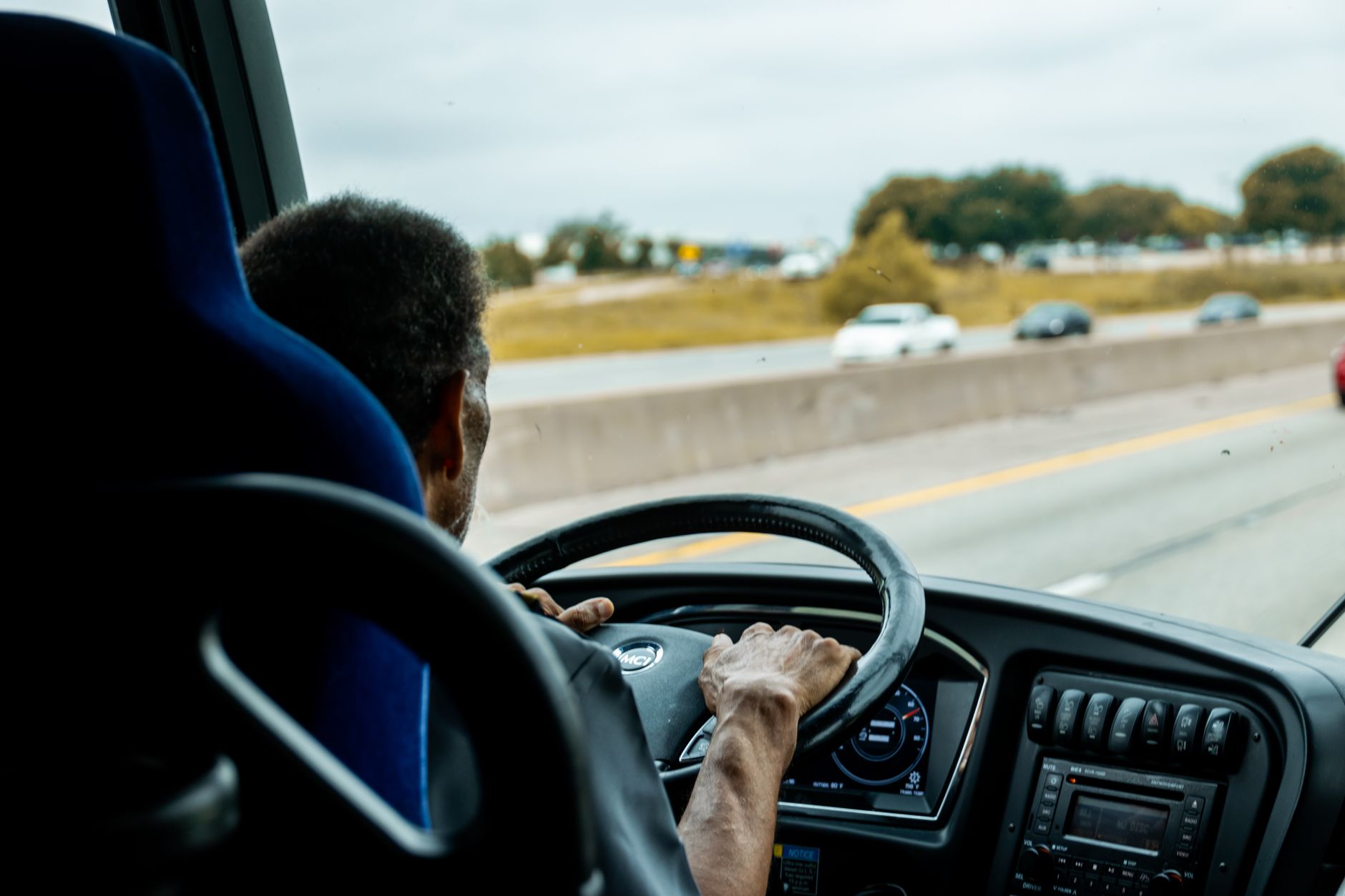
Vehicle selection starts with headcount, mobility needs, luggage, and the tightest stop on the route. A charter bus with a restroom and underfloor bays is generally the best fit for long I-5 days, coastal highways, mountain approaches, and multi-day group travel. Smaller vehicles work better for hotel shuttles, casino transfers, and venues with restrictive curb space or limited parking. Reserve accessible seating, wheelchair lifts, walkers, oxygen equipment, and extra baggage space before assigning the fleet, because those requirements can change the practical passenger capacity.
| Vehicle | Seats | Best For | Notes |
|---|---|---|---|
| Full-size motor coach | 35-56 passengers | Use for a Senior Tour Group traveling between Seattle, Portland, Eugene, Spokane, major casinos, museums, cruise terminals, and national-park gateways. | Best comfort and underfloor storage for luggage, walkers, folding wheelchairs, instruments, and multi-day baggage; verify lift availability and venue parking geometry. |
| Minibus | 18- thirty passengers | Use for local casino outings, museum days, airport transfers, or feeder service from an active adult community to a larger motor coach. | Useful for shorter legs and smaller parking areas, but cargo bays are limited and many units lack a restroom; count walkers and carry-on items before filling seats. |
| Mini coach | twenty-four to thirty-eight passengers | Use when the group is mid-sized or when Pacific Northwest routing combines city streets, scenic highways, and stops with constrained coach parking. | Offers more luggage and highway comfort than a passenger van while remaining easier to stage at hotels, ferry terminals, and smaller attractions than a full-size coach. |
| Executive Sprinter | 8-14 passengers | Use for a small 55+ community group, airport meet-and-greet, driver or staff movement, or a compact shore-excursion party. | Best for small leadership groups or a scouting vehicle; luggage space is modest, and it is not a substitute for an accessible bus when multiple mobility devices are involved. |
Routing, Timing, and On-the-Road Realities
The I-5 corridor is the backbone for Pacific Northwest group travel, but timing changes by metro and stop. Seattle, SeaTac, Tacoma, Olympia, Vancouver Washington, Portland, Salem, and Eugene can all produce congestion during weekday commute periods, event arrivals, and holiday weekends. For a morning departure, the dispatcher should set loading early enough to clear the originating metro before the heaviest traffic rather than promise a tight museum or casino arrival. Downtown Seattle pickups may require a timed curb stop, while hotels near SeaTac, Tukwila, Bellevue, Portland Airport, or the Lloyd District may offer easier coach access. A route through the Columbia River Gorge or Oregon Coast needs additional time for scenic pullouts, restroom stops, weather, and limited coach parking. Mountain trips to Mount Rainier, the North Cascades, Crater Lake, or Olympic National Park should use daylight-based schedules and verify seasonal road access. Driver hours must account for deadhead to the first pickup, return travel after the final stop, meal breaks, and the possibility that a scenic itinerary becomes a long operating day.
Puget Sound ferry work needs a separate operating plan. Walk-on groups can be dropped at the passenger entrance while the charter bus travels separately, but boarding the bus as a vehicle requires advance review of commercial or oversized-vehicle procedures and current sailing conditions. Vehicle reservations are available on the Port Townsend to Coupeville and Anacortes to San Juan Islands routes, while other routes use their own loading practices; confirm current rules with Washington State Ferries before dispatch. Seattle's Colman Dock, Edmonds, Kingston, Fauntleroy, and Anacortes have different approaches and staging constraints, so a group should not be told to meet wherever private cars queue. For cruise work, Pier 91 Smith Cove and Pier 66 have different access patterns, and the cruise line's berth and commercial drop-off instructions control the final approach. Build buffer for luggage, security, ferry loading, ship disembarkation, and downtown circulation, then give passengers one written pickup point and a backup phone contact. For large groups, use multiple buses with staggered loading and a shared manifest rather than relying on the second coach to find the first in a crowded terminal.
What This Typically Costs
Pricing for a Senior Tour Group usually combines a daily minimum with mileage, routing complexity, and the number of service days. A short local casino or museum run may price on a minimum charter day, while an I-5 itinerary from Seattle through Portland and Eugene or a multi-day national-park loop adds mileage and deadhead miles from the bus garage. Pacific Northwest summer, fall foliage, cruise season, holiday weekends, and major events can tighten equipment supply and raise seasonal pricing. Multi-day work also includes driver overnight lodging, parking, tolls, ferry charges, and any required repositioning between cities. Common line items include fuel adjustments, driver gratuity, and accessible-equipment requirements; gratuity is normally handled separately from the quoted transportation. Most markets commonly run a few thousand dollars per day for a full-size motor coach, with smaller vehicles priced lower, but the confirmed range depends on dates, headcount, vehicle class, and itinerary.
Frequently Asked Questions
What size charter bus is typical for a senior center trip?
A full-size motor coach is the usual starting point for groups of roughly 35 to 56 passengers, depending on the carrier and configuration. It works well for Seattle to Portland travel, casino days, museum programs, foliage tours, and multi-day national-park itineraries. Ask for a wheelchair lift or accessible coach at booking because accessible inventory is limited compared with standard coaches. A smaller group may save cost with a minibus, but a motor coach generally provides better luggage capacity, restroom access, and ride comfort on long Pacific Northwest corridors.
Can a charter bus take our group on a Puget Sound ferry?
Plan ferry movements as timed transportation, not as an ordinary road stop. Walk-on passengers do not need vehicle reservations, but a bus that boards as a vehicle must meet the ferry operator's commercial or oversized-vehicle procedures; reservations are available on the Port Townsend to Coupeville and Anacortes to San Juan Islands routes and are strongly recommended there. Colman Dock, Edmonds, Kingston, Fauntleroy, and Anacortes each have different staging patterns, and boarding space can be constrained on peak weekends. The dispatcher should confirm the sailing, bus dimensions, passenger loading point, and contingency plan before finalizing the schedule.
How does Alaska cruise-ship coach work affect planning?
Yes, but the itinerary must separate cruise embarkation transfers from shore-excursion work. Seattle cruise groups commonly use Pier 91 in Smith Cove or Pier 66 downtown, and the terminal assignment, commercial drop-off lane, and staging instructions can vary by sailing. For Alaska itineraries, the bus may deliver passengers and luggage to the terminal, then return later for an airport or hotel transfer, while a different motor coach handles a port-day excursion. Build extra time for luggage handling, security queues, ship disembarkation, and downtown or Interbay traffic.
Which Pacific Northwest foliage routes work for older adults?
Fall foliage trips commonly run through the Columbia River Gorge, Hood River, Mount Hood approaches, the North Cascades, Olympic Peninsula, and Vancouver Island connections when passports and ferry timing are appropriate. Peak color varies by elevation, so operators often use flexible stops rather than promising one exact viewpoint. Large coaches need legal pullouts, turning room, and a passenger plan for sites with limited parking. Weather can change quickly in mountain corridors, making daylight, rest stops, and alternate routes part of the operating plan.
What venues are common for senior group travel in Washington and Oregon?
Popular museum and cultural patterns include Seattle's Museum of Flight, Chihuly Garden and Glass, Museum of Pop Culture, and Seattle Art Museum; Portland's Oregon Museum of Science and Industry, Portland Art Museum, and Japanese Garden; and Tacoma's Museum District. Casino runs may target Snoqualmie Casino, Tulalip Resort Casino, Ilani near Ridgefield, Chinook Winds on the Oregon Coast, and Spirit Mountain Casino. Confirm bus parking, passenger unloading, accessibility, and meal timing directly with each venue because coach staging is not uniform. A motor coach can often wait nearby while the group visits, but downtown curb space may require a timed drop and separate pickup.
Can a motor coach reach Pacific Northwest national parks?
National-park trips need more than a destination name in the itinerary. Olympic National Park routes may involve Port Angeles, Hurricane Ridge access, Lake Crescent, and the Hoh Rain Forest, while Mount Rainier trips often use Ashford, Longmire, Paradise, or Sunrise depending on conditions and vehicle restrictions. In Oregon, groups frequently combine Columbia River Gorge stops with Crater Lake, the Oregon Coast, or the Portland metro area, while Alaska programs may use Anchorage, Denali-area routes, and Juneau or Fairbanks transfers. Seasonal road closures, limited coach parking, elevation, restroom availability, and walking distances should be reviewed before selling the schedule.
How are large senior groups split across several buses?
Yes, but a large Senior Tour Group may need multiple vehicles rather than one oversized coach. Two or more motor coaches require staggered loading, radio or phone coordination, a lead vehicle, matching pickup instructions, and a manifest that keeps each passenger assigned to a bus. Leave time for luggage staging, wheelchair boarding, restroom breaks, ferry queues, and venue security; the second vehicle cannot assume it will unload directly behind the first. For groups above roughly 100 to 150 passengers, a central dispatch contact and one shared operating sheet reduce missed departures and inconsistent instructions.
How to Book
To request a quote, have the travel dates, pickup address, passenger count, wheelchair and walker count, luggage estimate, and complete itinerary ready. Include every overnight city, ferry crossing, casino or museum stop, national-park access point, and Alaska cruise terminal when applicable. US Bus Trips typically returns a realistic quote within 4 business hours, subject to vehicle availability and complete routing details. The confirmation identifies the vehicle class, passenger capacity, pickup instructions, operating schedule, included services, payment terms, and dispatch contact; reach us by phone or the online quote request form.
Related Trips You Might Also Consider
- Minneapolis, MN to Chicago, IL
- Baltimore, MD to Washington DC, DC
- Philadelphia Historic — 14-Passenger Sprinter
- Zion — 36-Passenger Mini Coach
- Government Agency Shuttle — Mountain West Region
- Yellowstone — 24-Passenger Mini Bus
- Cross-Country Charter Bus Overview
- All Group Tour Destinations
- See the Full Fleet (Sprinters through 56-pax coaches)
- Get a Free Quote in 60 Seconds